When and Why Louisiana Farmers Should Apply Lime to Their Soil

June 30, 2026

When and Why to Apply Lime to Louisiana Farm Soil

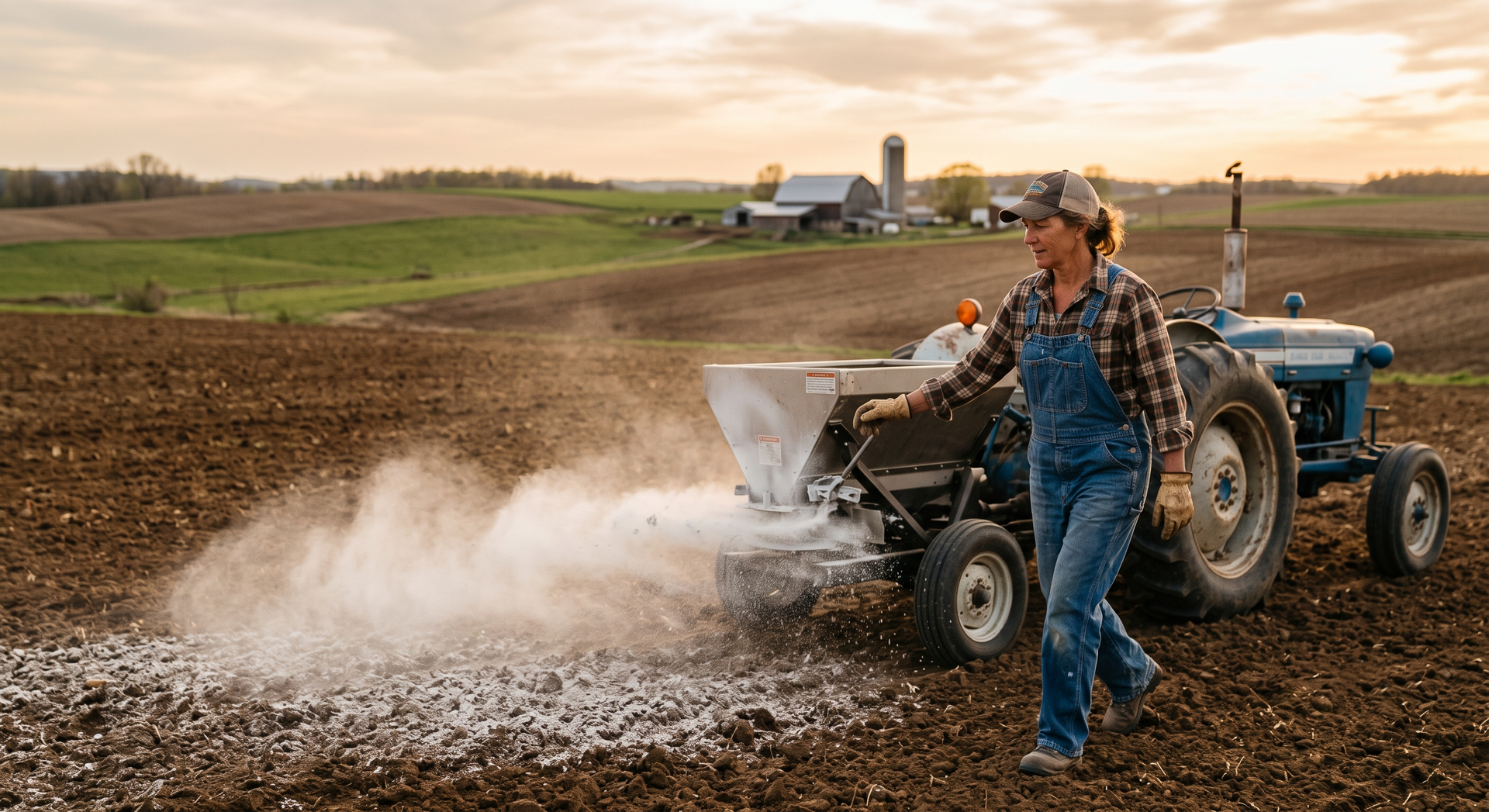
Farmer spreading fertilizer from a tractor in a rural field at sunset

Soil fertility is the foundation of successful farming, and one of the most overlooked factors in soil health is soil pH. Many soils in Louisiana are naturally acidic, which can limit crop growth and reduce the effectiveness of fertilizers. Applying agricultural lime is one of the most effective ways to correct soil acidity and improve crop production.

For farmers in DeRidder and across Southwest Louisiana, applying lime at the right time can increase nutrient availability, improve soil structure, and support stronger pasture, hay, and crop yields.

What Is Agricultural Lime?

Agricultural lime is a natural soil amendment made from crushed limestone. It is commonly used to raise soil pH and reduce soil acidity.

There are two main types of agricultural lime:

  • Calcitic lime – primarily calcium carbonate
  • Dolomitic lime – contains both calcium and magnesium

Both types help neutralize soil acidity and create better growing conditions for plants.

Why Soil pH Is Important for Crop Growth

Soil pH affects how easily plants can absorb nutrients from the soil.

If soil becomes too acidic, plants may struggle to access essential nutrients such as:

  • Nitrogen
  • Phosphorus
  • Potassium
  • Calcium
  • Magnesium

Even if fertilizer is applied, crops may not benefit if the soil pH is outside the ideal range.

Most pasture grasses and crops grow best when soil pH falls between 6.0 and 6.5.

According to the LSU AgCenter, maintaining proper soil pH is essential for efficient fertilizer use and optimal crop growth.
[
LSU AgCenter Soil pH Guide – https://www.lsuagcenter.com]

Signs Your Soil May Need Lime

Farmers may notice several warning signs when soil pH becomes too acidic.

Common signs include:

  • Poor crop growth
  • Yellow or pale plant leaves
  • Reduced pasture productivity
  • Slow root development
  • Increased weed growth

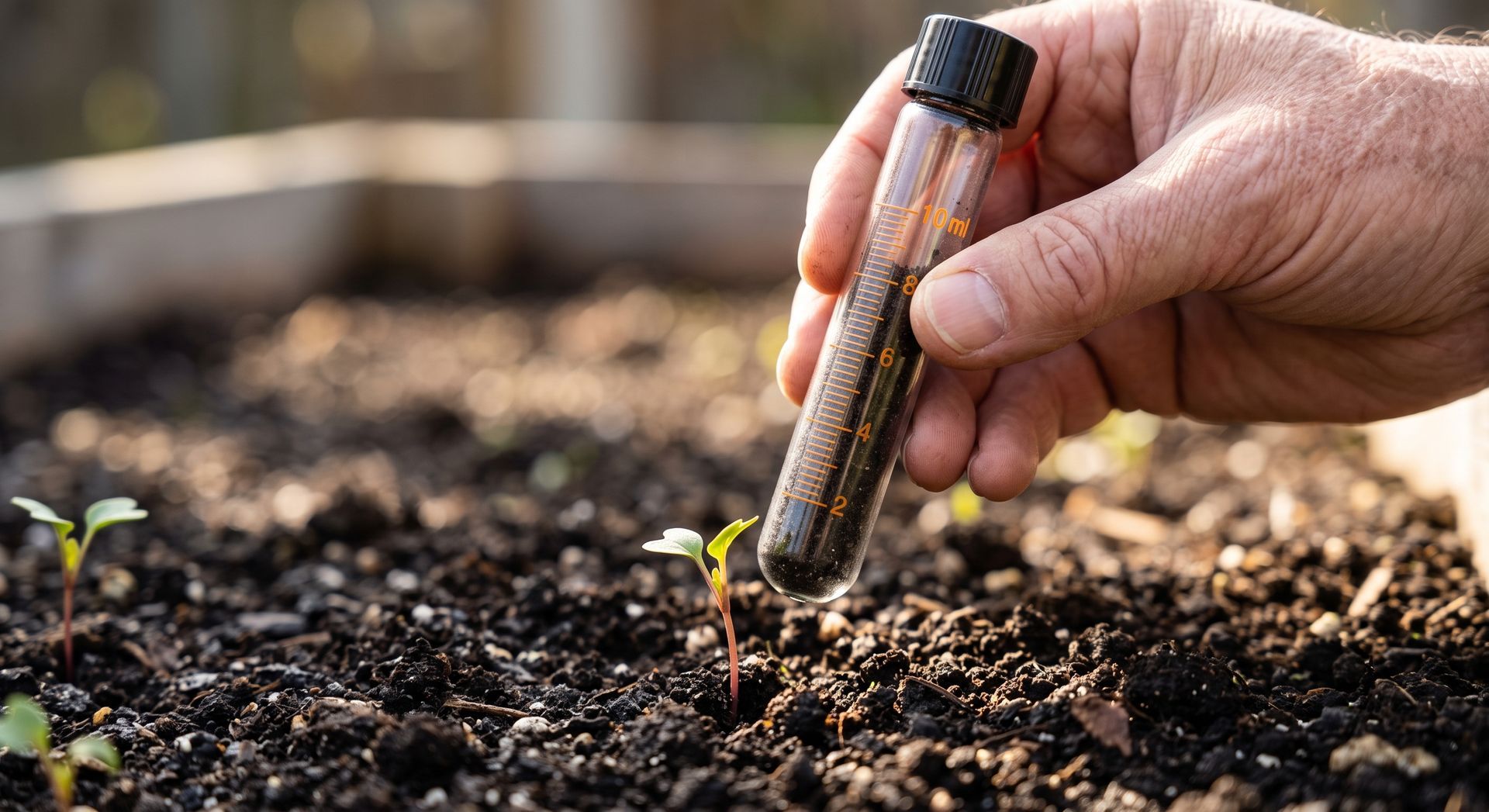
Because these symptoms can also be caused by nutrient deficiencies, soil testing is the best way to determine whether lime is needed.

Highland Growers provides soil testing services to help farmers identify soil pH issues and nutrient imbalances.
[Soil Testing Services –
https://www.highlandgrowers.com/]

When Should Farmers Apply Lime?

Unlike fertilizer, lime does not provide immediate results. It takes time for lime to react with soil and adjust pH levels.

Because of this, lime should be applied several months before planting or major fertilization programs.

Fall Application

Fall is often the best time to apply lime.

Applying lime during fall allows it to gradually react with soil during winter months, preparing fields for spring planting.

Benefits of fall application include:

  • Improved soil pH before planting season
  • Better nutrient availability in spring
  • More efficient fertilizer use

Winter Application

Winter can also be a good time to apply lime, particularly when fields are not actively being used for crops or grazing.

Applying lime during winter allows it to work into the soil before the next growing season begins.

Spring Application

Although fall and winter are ideal, lime can still be applied in spring if soil tests indicate a pH problem.

However, farmers should remember that lime may take several months to fully adjust soil pH.

How Lime Improves Fertilizer Efficiency

One of the biggest benefits of lime is its ability to improve fertilizer performance.

When soil pH is balanced, crops can absorb nutrients more effectively.

This means farmers may see:

  • Improved fertilizer efficiency
  • Stronger plant growth
  • Higher crop yields
  • Better pasture productivity

Without proper soil pH, even high-quality fertilizers may not deliver the expected results.

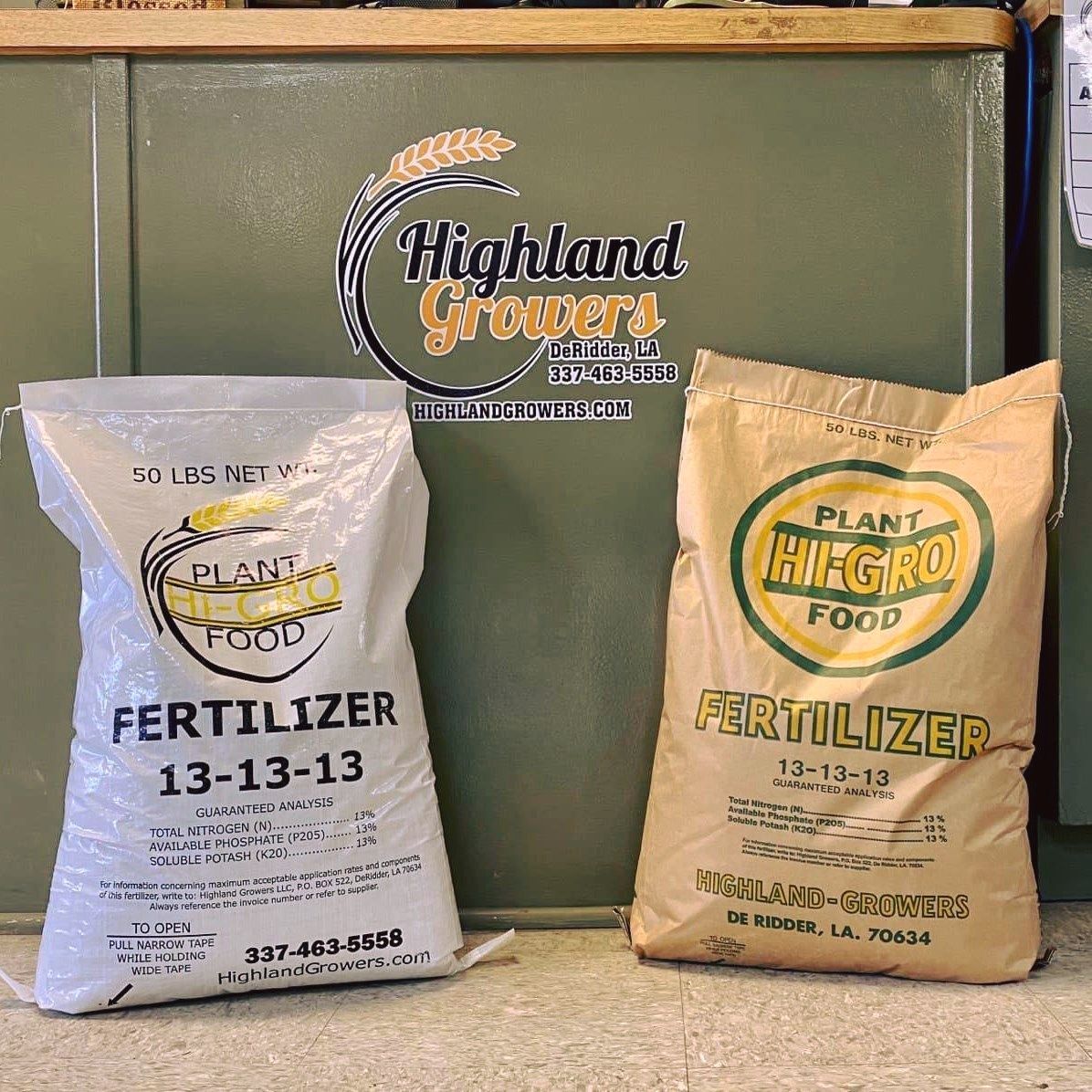
Highland Growers helps farmers develop custom fertilizer and soil management programs designed to support healthy soil conditions.
[Custom Fertilizer Programs –
https://www.highlandgrowers.com/]

Lime for Pastures and Hay Fields

Pasture grasses and hay crops benefit significantly from proper soil pH.

Grasses such as:

  • Bermudagrass
  • Bahiagrass
  • Ryegrass

perform best when soil acidity is controlled.

Applying lime to pastures can lead to:

  • Stronger root development
  • Improved forage growth
  • Increased pasture productivity
  • Better livestock nutrition

Many Louisiana cattle farmers apply lime periodically to maintain healthy pasture systems.

Lime for Wildlife Food Plots

Hunters and landowners who plant wildlife food plots can also benefit from lime applications.

Many wildlife crops such as:

  • Clover
  • Brassicas
  • Winter grains

require neutral soil conditions for optimal growth.

Applying lime before planting food plots can significantly improve plant establishment and forage production for wildlife.

Highland Growers supplies fertilizer, seed, and soil improvement products for wildlife food plots across Southwest Louisiana.

How to Determine the Right Amount of Lime

The amount of lime needed depends on several factors:

  • Current soil pH
  • Soil texture
  • Crop type
  • Target pH level

Because these factors vary widely between fields, farmers should always rely on soil test recommendations to determine lime application rates.

Applying too little lime may not correct soil acidity, while applying too much can cause other nutrient imbalances.

Steps for Applying Lime

Applying lime effectively requires proper preparation.

Farmers typically follow these steps:

  1. Conduct a soil test
  2. Determine lime application rate
  3. Spread lime evenly across fields
  4. Incorporate lime into the soil if possible

Incorporating lime into the soil helps it react faster and improves its effectiveness.

Benefits of Regular Soil Testing

Soil conditions change over time due to crop production, rainfall, and fertilizer use.

Regular soil testing helps farmers:

  • Monitor soil pH levels
  • Identify nutrient deficiencies
  • Plan fertilizer programs
  • Improve long-term soil health

Highland Growers offers soil testing and custom nutrient recommendations for farmers throughout Southwest Louisiana.

Why Work with a Local Agricultural Supplier

Farmers in DeRidder, Leesville, Merryville, and nearby communities benefit from working with agricultural suppliers who understand local soil conditions.

Highland Growers provides:

  • Soil testing services
  • Custom fertilizer blending
  • Seed supply
  • Farm chemicals
  • Wildlife food plot products
  • State-certified truck scale services

Local agricultural expertise helps farmers make better decisions about soil management and crop nutrition.

FAQs About Agricultural Lime

How often should farmers apply lime?

Most farms apply lime every 3 to 5 years, depending on soil conditions and crop production.

Can lime replace fertilizer?

No. Lime improves soil pH but does not replace the nutrients provided by fertilizer.

How long does lime take to work?

Lime may take several months to fully adjust soil pH.

Is soil testing necessary before applying lime?

Yes. Soil testing ensures farmers apply the correct amount of lime for their soil conditions.

Can lime improve pasture production?

Yes. Correcting soil pH can significantly improve pasture growth and forage quality.

Improve Your Soil with Help from Highland Growers

If you want healthier soil and better crop production in DeRidder or Southwest Louisiana, Highland Growers can help.

Their team provides soil testing, fertilizer, seed, and agricultural expertise to help farmers maintain productive fields.

Contact Highland Growers today to receive custom soil improvement recommendations tailored to your farm.

Recent Posts

Green meadow with grazing cattle and a rustic fence, framed by steep forested mountains under a cloudy sky
June 15, 2026
Discover the best grass varieties for Louisiana pastures and hay fields. Learn which grasses grow best in Southwest Louisiana farms for higher yields and grazing.
Outdoor storefront stacked with bags of pet supplies and folded goods on shelves
May 29, 2026
Learn safe fertilizer storage practices for farms. Protect fertilizer quality, prevent waste, and maintain safety with expert storage and handling tips today.
Hand scattering seeds over a small green seedling in a garden bed
May 13, 2026
Avoid costly fertilizer mistakes on your farm. Learn common application errors and how Louisiana farmers can improve crop health, yields, and overall results.
Green tractor driving across a grassy field with a person at the wheel, farm buildings in the background
April 28, 2026
Learn when to fertilize pastures in Louisiana for maximum grass growth. Discover expert timing tips from Highland Growers in DeRidder, LA for healthier fields.
A herd of brown and white cattle graze in a sunny, dry mountain meadow under a clear blue sky.
April 13, 2026
Learn the best pasture management tips for Louisiana cattle farmers. Improve grazing, soil health, and forage production with expert advice from Highland Growers.
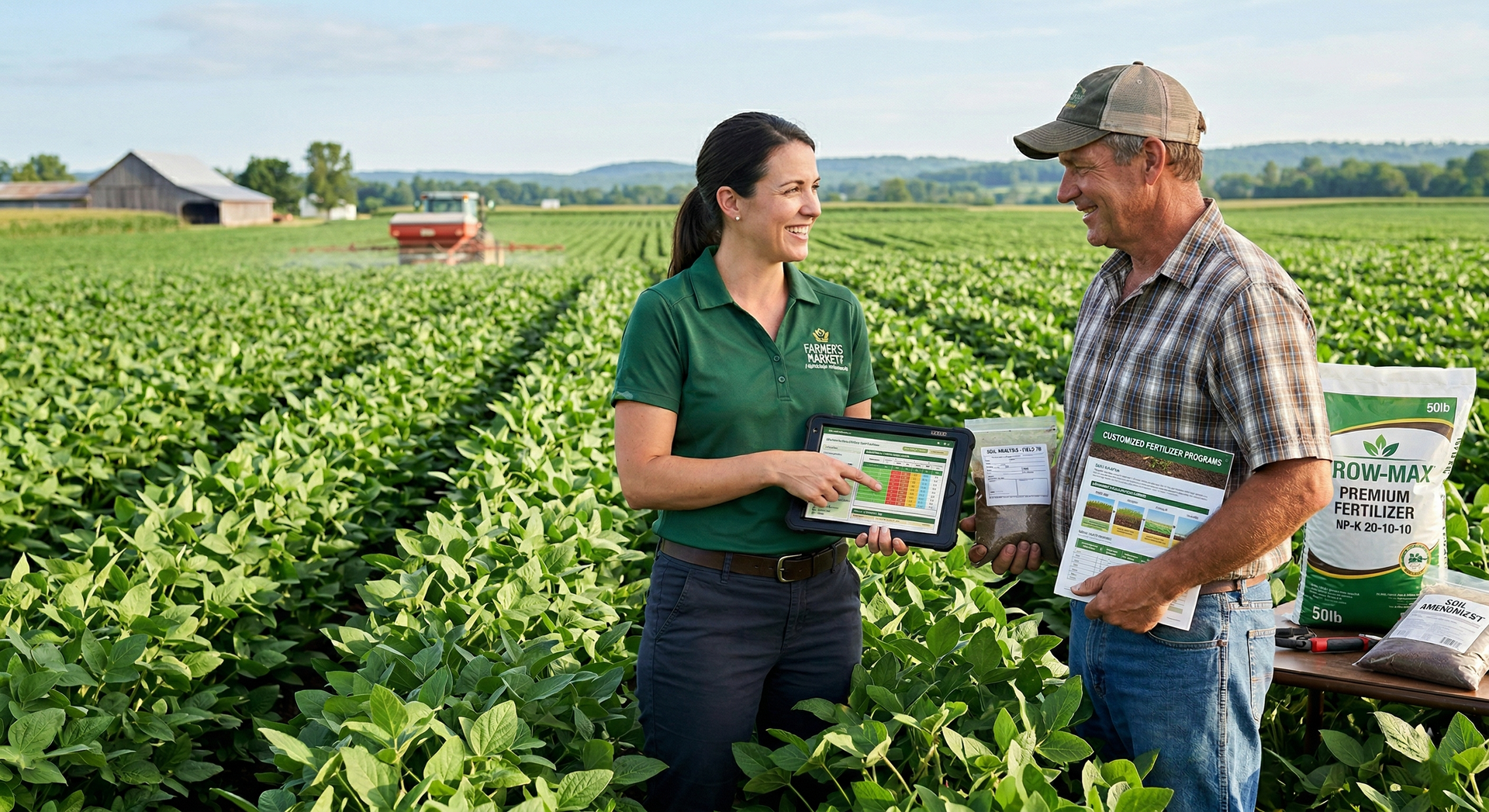
An agricultural advisor and a farmer discuss data on a tablet in a soy field, with farming equipment in the background.
March 26, 2026
Learn the best fertilizer program for hay fields in Southwest Louisiana. Boost yield, improve soil health, and get expert tips from Highland Growers today!!
Bags of soil on pallets inside a wooden shed and a container, in a garden setting.
March 9, 2026
Learn safe, effective fertilizer storage practices for Louisiana farms. Highland Growers in DeRidder shares expert tips to protect your products, soil, and water.
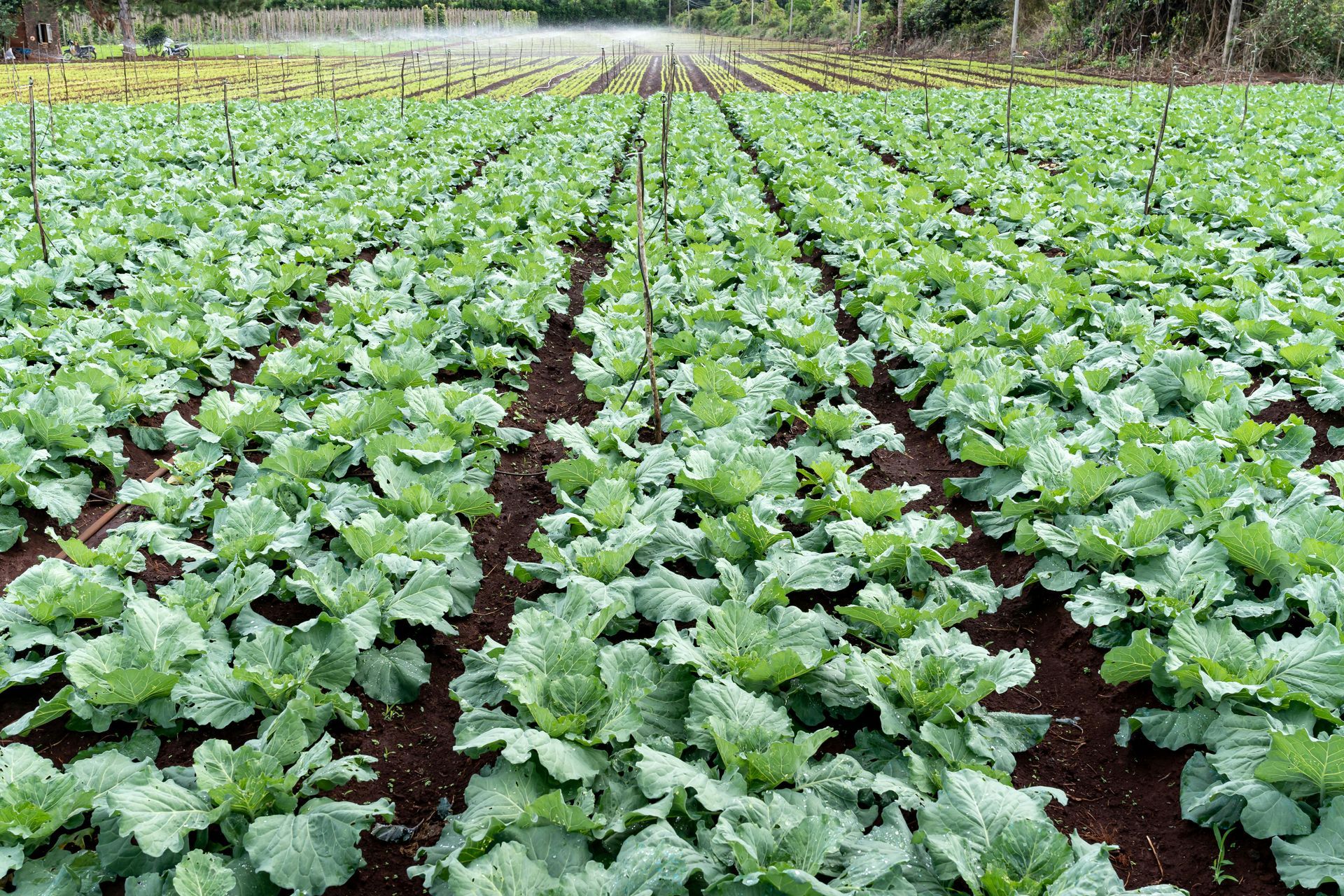
Rows of leafy green cabbages growing in a field, with a sprinkler system watering them.
February 20, 2026
Learn how custom nutrient recommendations improve crop yields, reduce waste, and maximize soil health. Get expert advice from Highland Growers in DeRidder, LA.
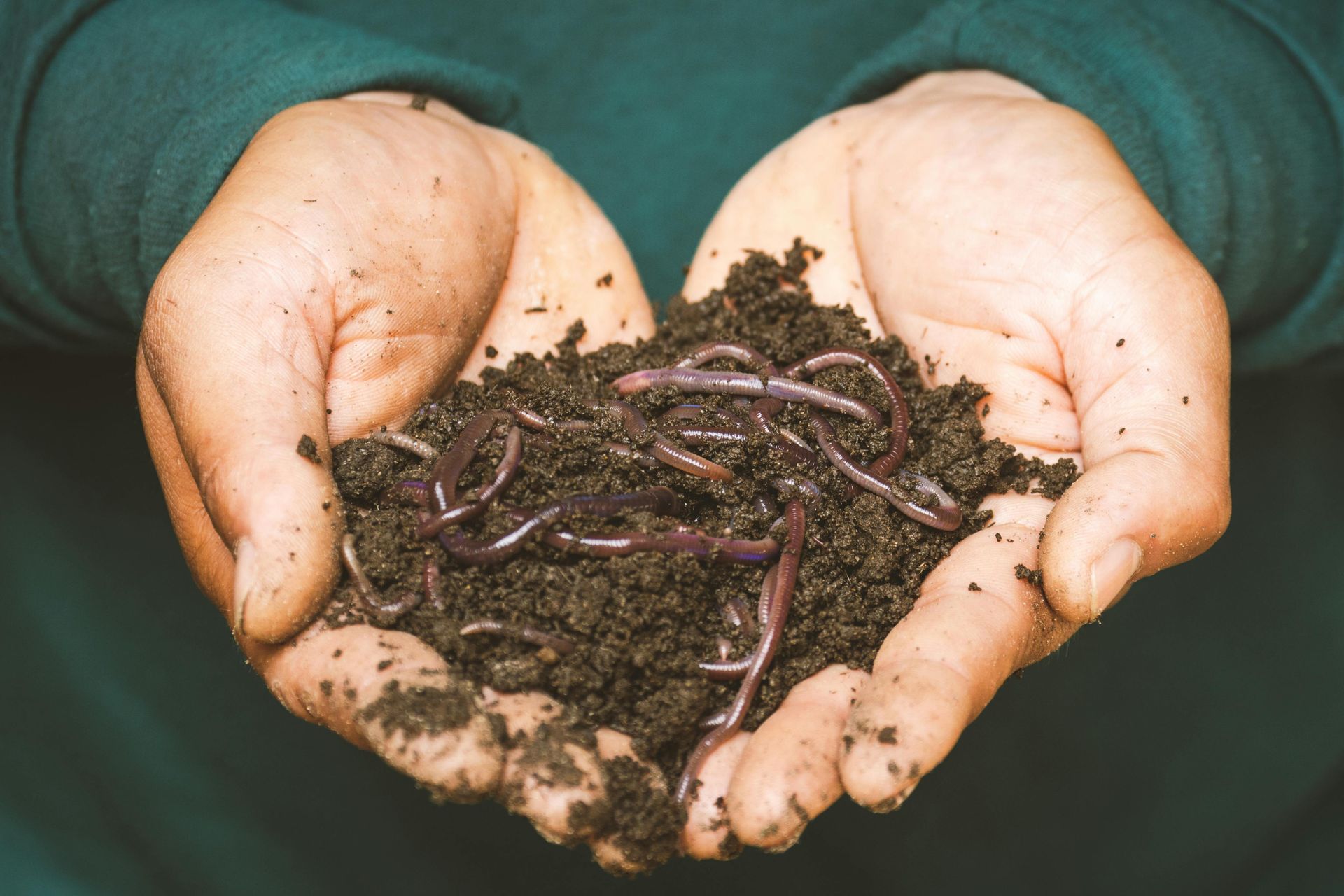
Hands holding a pile of dark soil and worms.
February 4, 2026
New to farming? Learn how to choose the right fertilizer with this simple guide from Highland Growers in DeRidder, LA. Local tips and custom solutions.
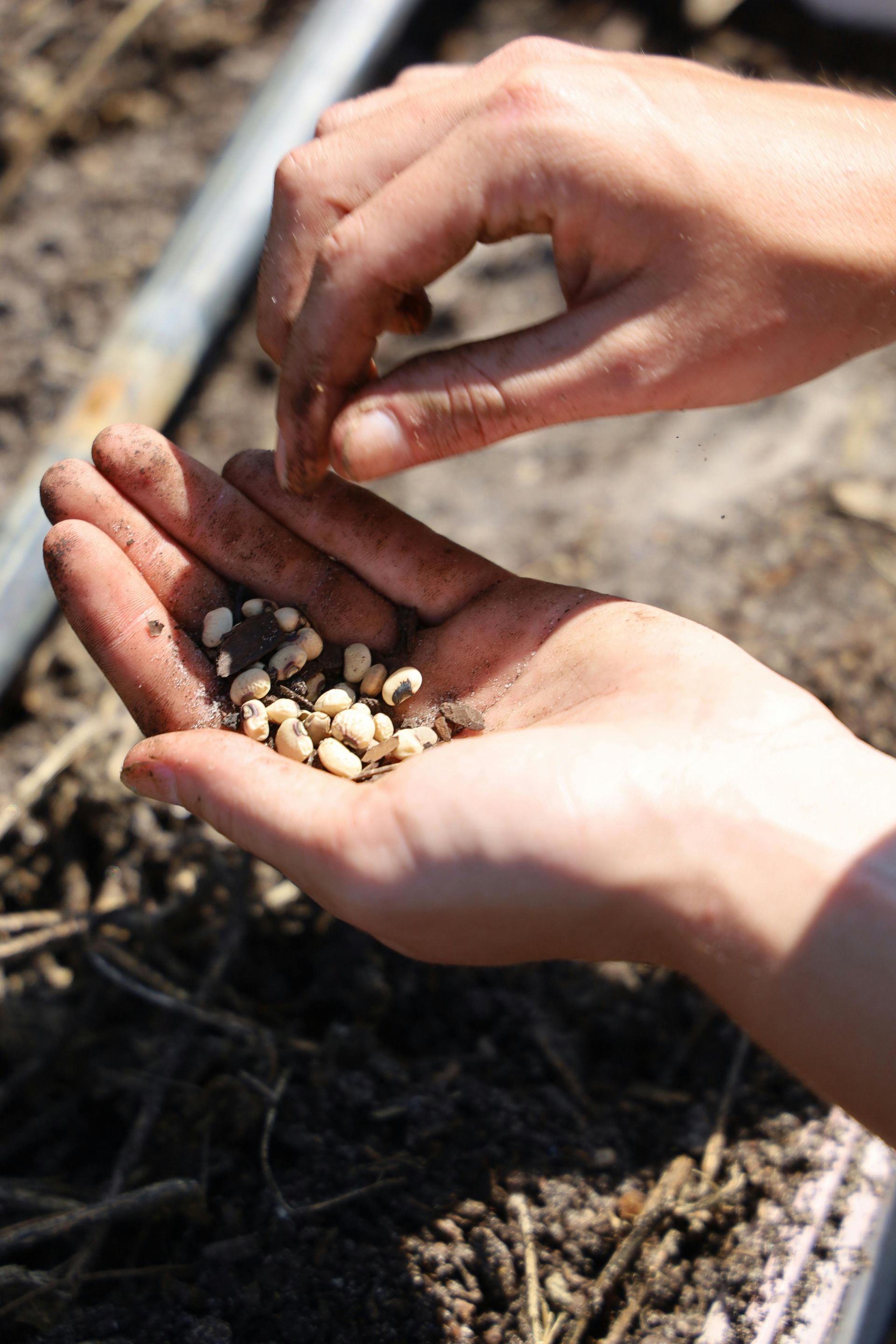
Hands holding and dropping seeds into soil.
January 19, 2026
Not all seed mixes are created equal. Learn how Louisiana farmers can select the right seed blend for their land and goals. Highland Growers in DeRidder can help.
Person in gloves harvesting carrots from a garden.
January 2, 2026
Planting a wildlife food plot this fall? Get expert tips on seed, soil, and fertilizer prep from Highland Growers in DeRidder, LA. Boost game activity and nutrition.
Hand scooping soil from a garden bed with a trowel, flowers in background.
December 18, 2025
Understand NPK fertilizer and how it affects your yields. Highland Growers in DeRidder, LA explains nitrogen, phosphorus, and potassium for Louisiana soil.

Hand holding dark sand.
December 4, 2025
Not seeing results from your fertilizer plan? Here are 7 signs your field needs a new strategy. Trusted advice from Highland Growers in DeRidder, LA.
Hands in yellow gloves holding fertilizer granules over a bag on a green lawn.
November 24, 2025
Learn which farm chemicals are allowed in Louisiana. Highland Growers in DeRidder offers safe, legal, and effective solutions for farmers and landowners.
Person using a green-handled trowel to scoop soil from a blue bucket.
November 18, 2025
Improve yields and reduce waste with custom blend fertilizer from Highland Growers in DeRidder, LA. Precision nutrient solutions tailored to your farm.

Hands holding black sand in a heart shape against a dark, sandy background.
November 3, 2025
Improve crop yields in Beauregard Parish with professional soil testing. Highland Growers in DeRidder, LA offers soil tests and nutrient recommendations. Call now.
Person in orange glove spreading granular fertilizer in garden with trowel.
October 29, 2025
Want to attract more deer and game in Louisiana? Learn how to start a wildlife food plot with soil testing, seed selection, and timing tips from Highland Growers.
Hands holding a pile of brown and white granular fertilizer.
October 24, 2025
Find the best fertilizers for Louisiana soil. Get expert advice and custom blend recommendations from Highland Growers in DeRidder. Call today to learn more!