Best Grass Varieties for Louisiana Pastures and Hay Fields
Top Grass Varieties for Louisiana Pastures and Hay Production

Choosing the right grass variety is one of the most important decisions farmers make when establishing pastures or hay fields. The best grasses for Louisiana pastures must tolerate high temperatures, heavy rainfall, and varying soil conditions while producing high-quality forage for livestock.
Some of the most successful grasses grown in Southwest Louisiana include Bermudagrass, Bahiagrass, Ryegrass, and Dallisgrass. Each variety offers unique advantages depending on soil conditions, grazing pressure, and hay production goals.
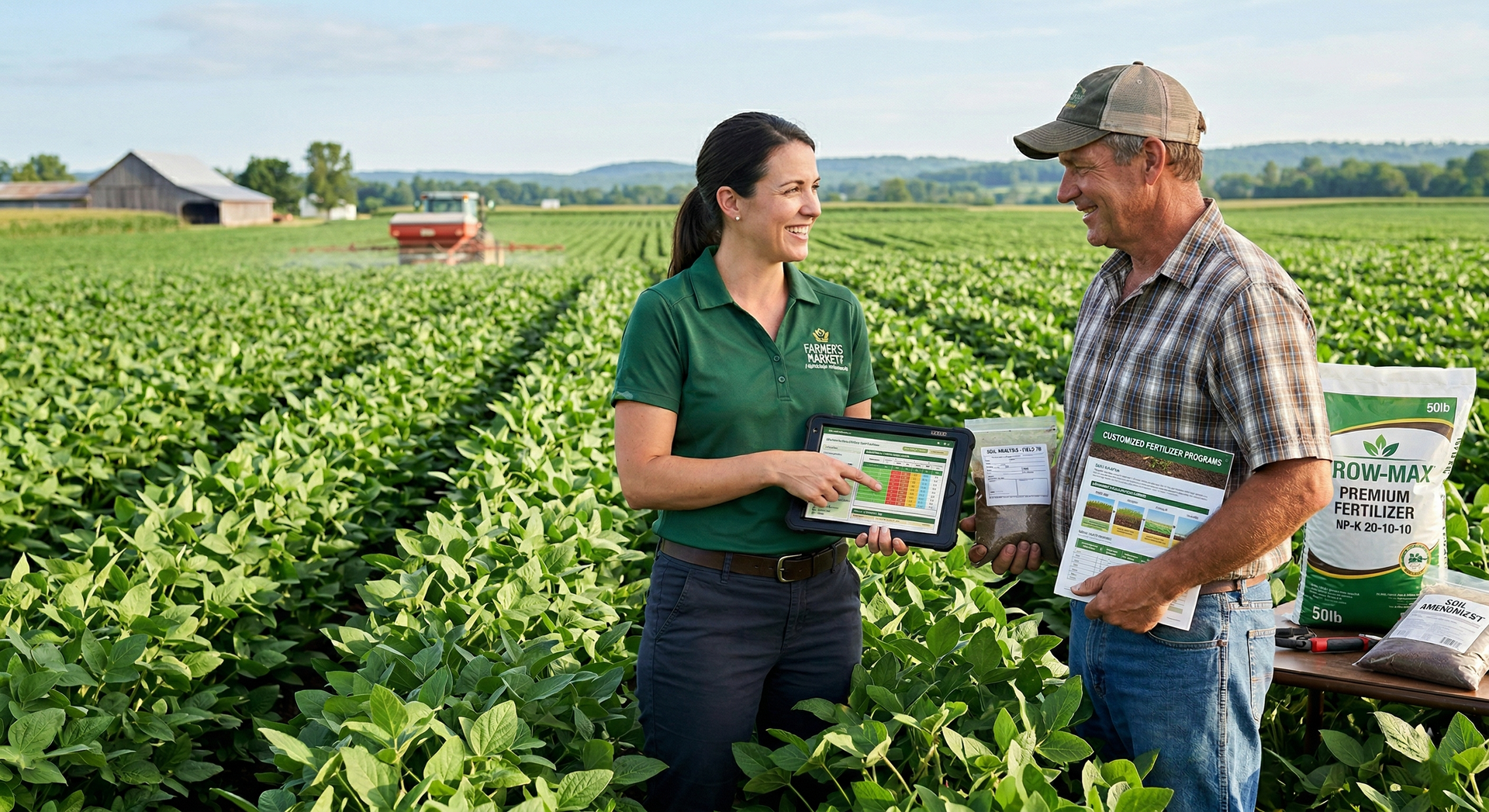
Farmers in DeRidder and surrounding areas often work with agricultural suppliers like Highland Growers to select the best grass seed and fertilizer programs for their farms.
Why Grass Selection Matters for Pasture and Hay Production
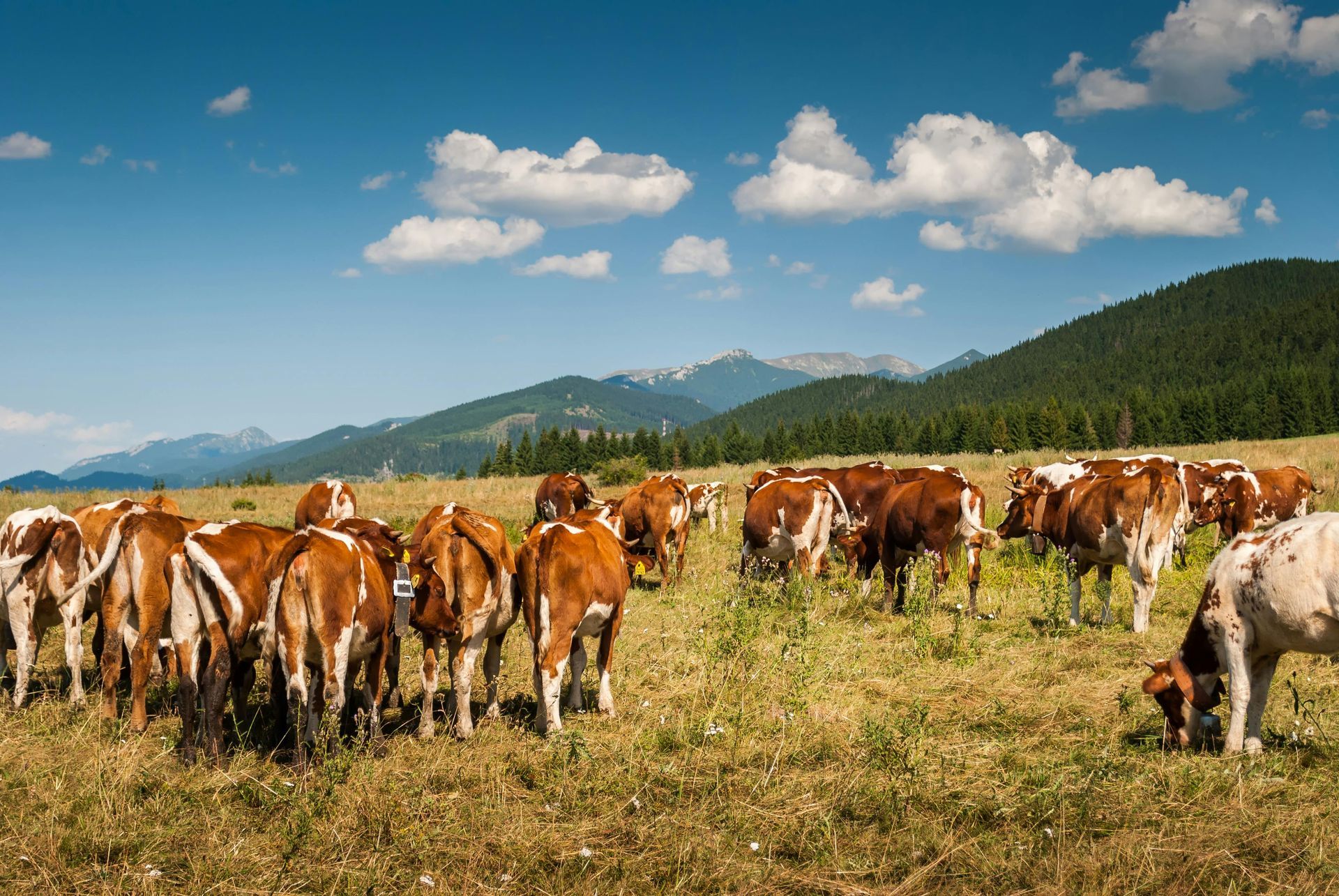
The type of grass planted in a pasture directly affects forage production, livestock nutrition, and long-term pasture health.
Choosing the right grass can help farmers:
- Increase forage yield
- Improve cattle nutrition
- Reduce fertilizer costs
- Extend grazing seasons
- Improve soil stability
Selecting grasses that perform well in Louisiana’s climate ensures consistent pasture productivity year after year.
Bermudagrass: The Top Choice for Hay Production
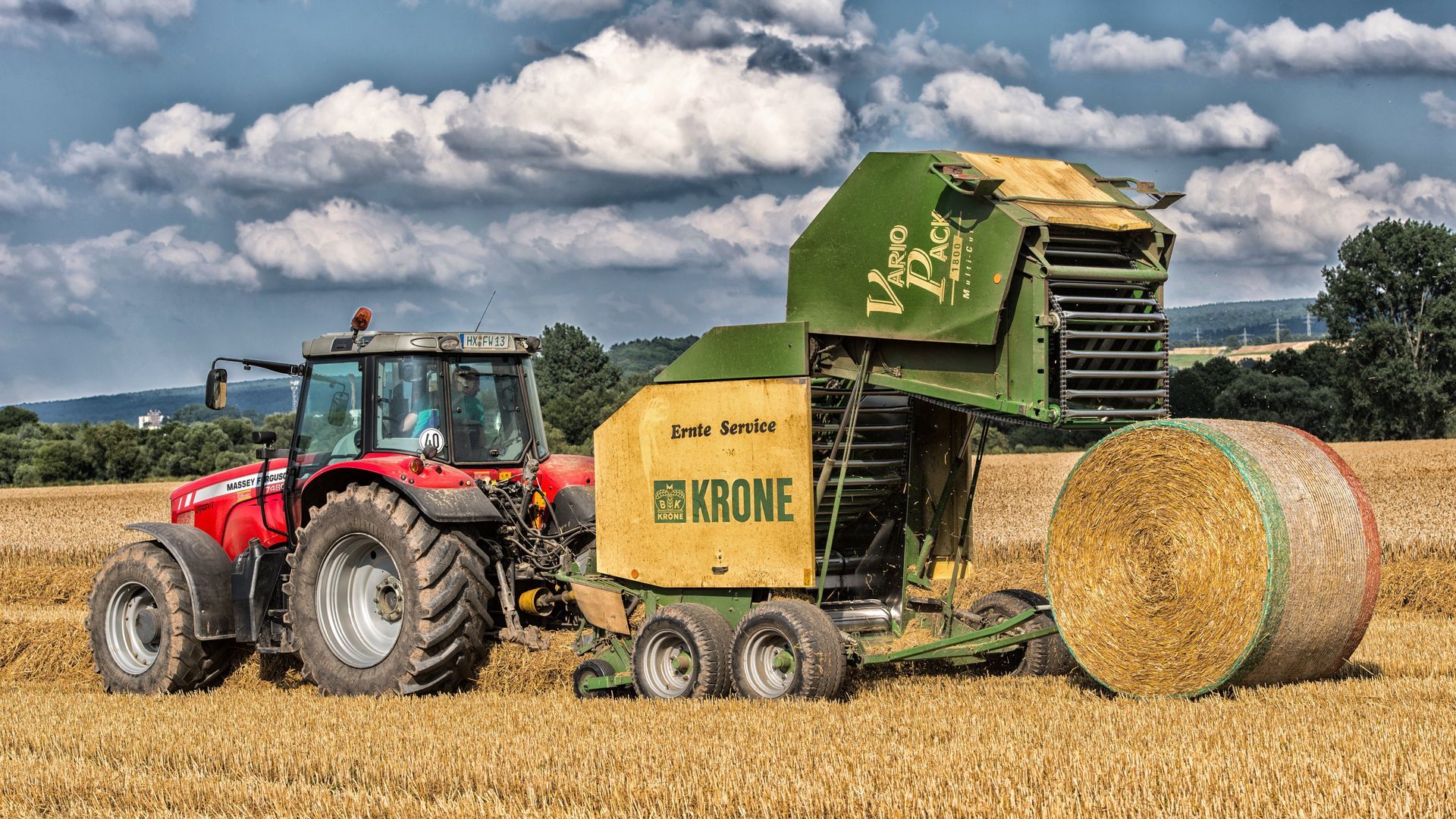
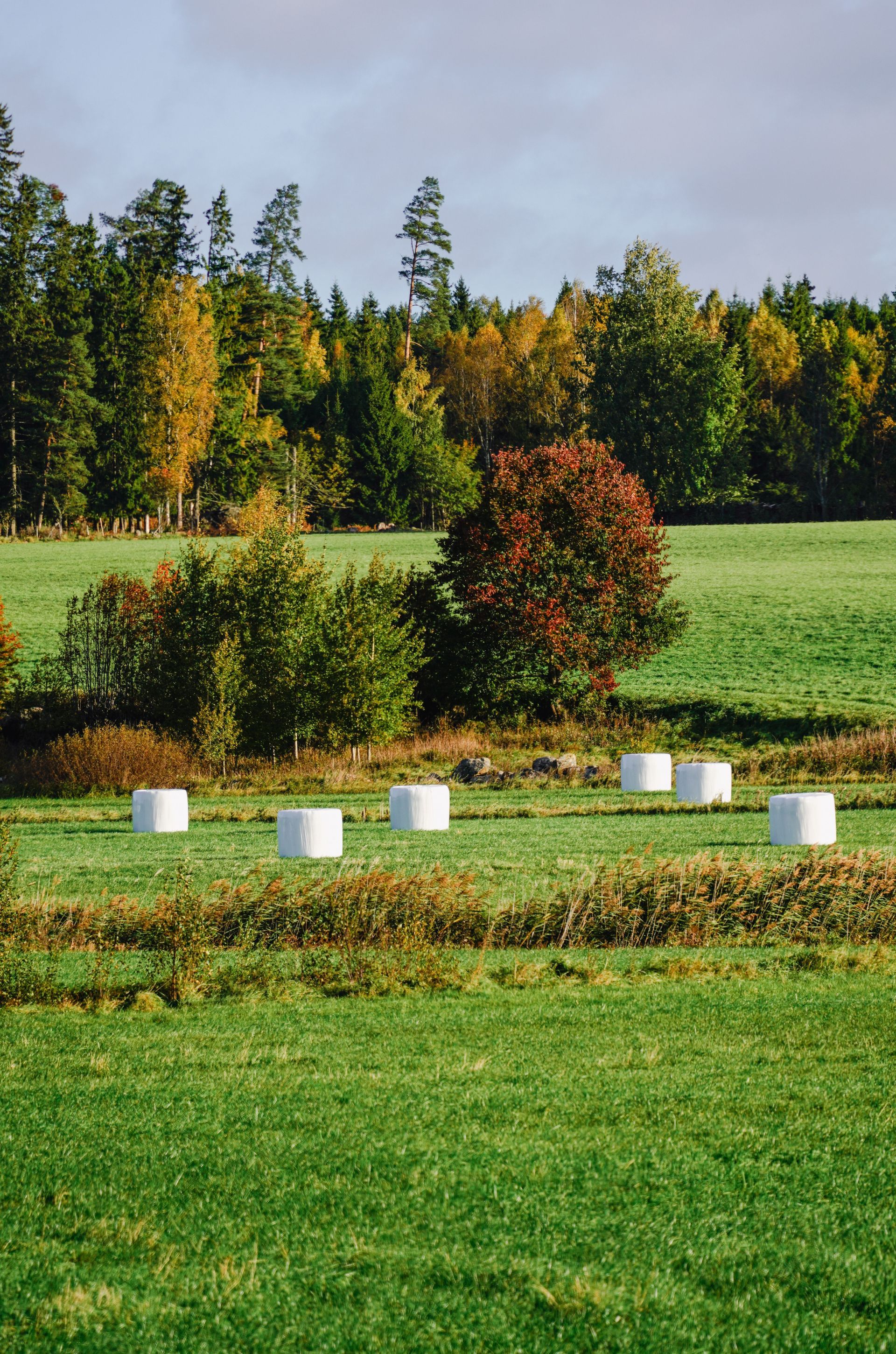
Bermudagrass is one of the most widely used grasses for hay production across Louisiana.
This warm-season grass thrives in hot weather and produces high yields when properly fertilized.
Benefits of Bermudagrass
- Excellent hay production
- Rapid regrowth after cutting
- High forage quality
- Strong drought tolerance
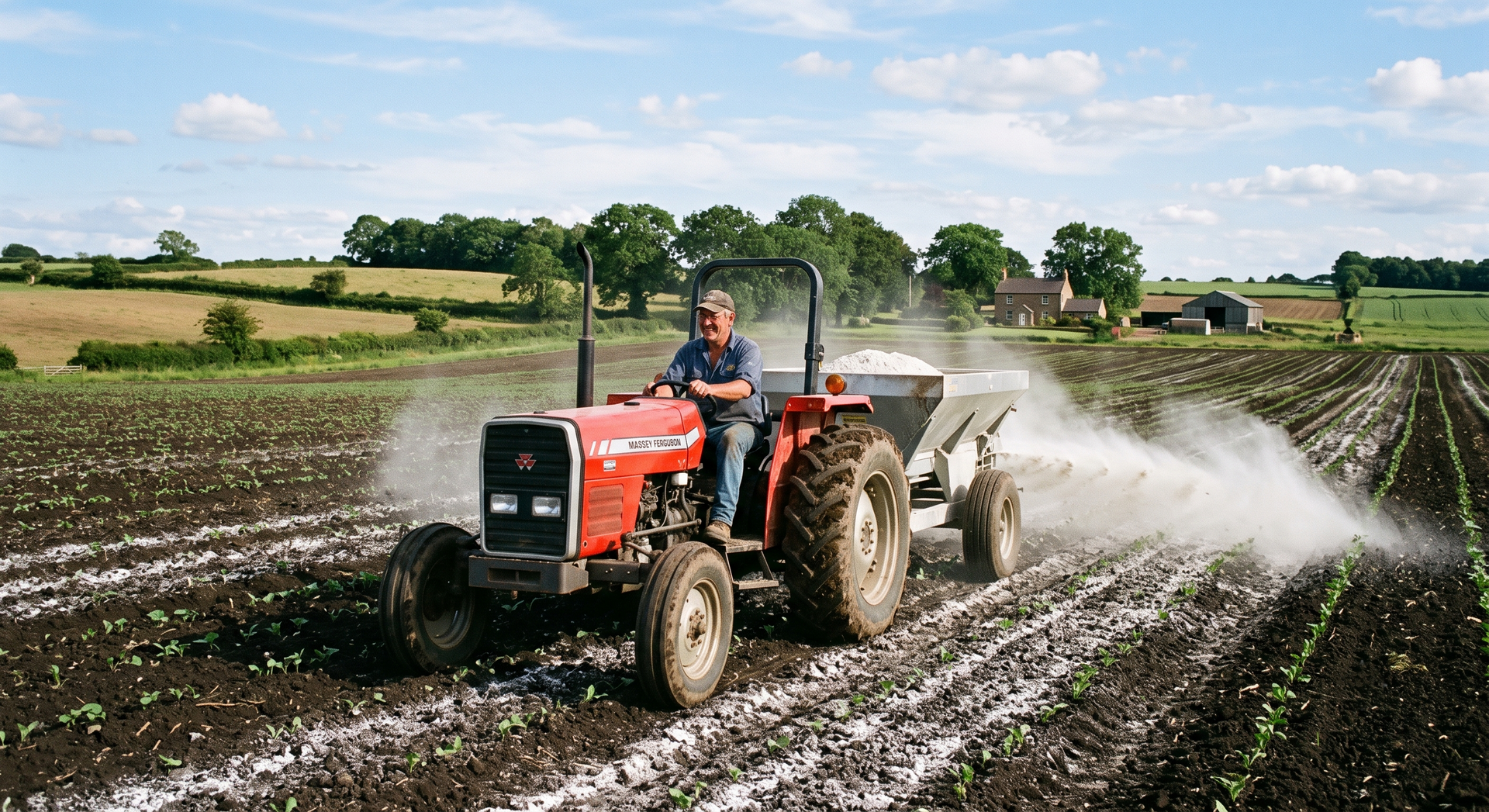
Bermudagrass performs best when supported with regular fertilizer applications and proper pasture management.
Many Louisiana hay producers apply nitrogen fertilizer several times throughout the growing season to maximize Bermudagrass productivity.
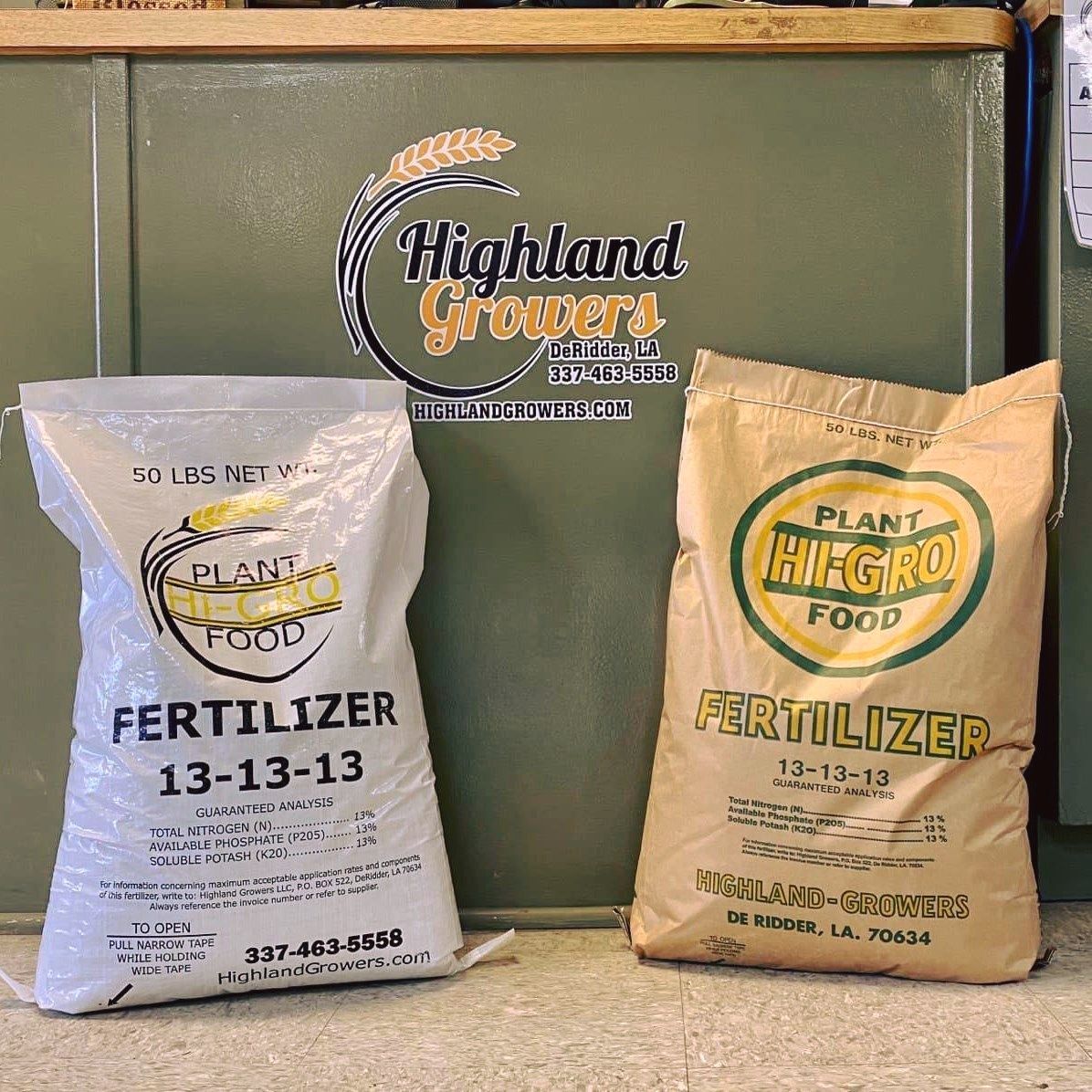
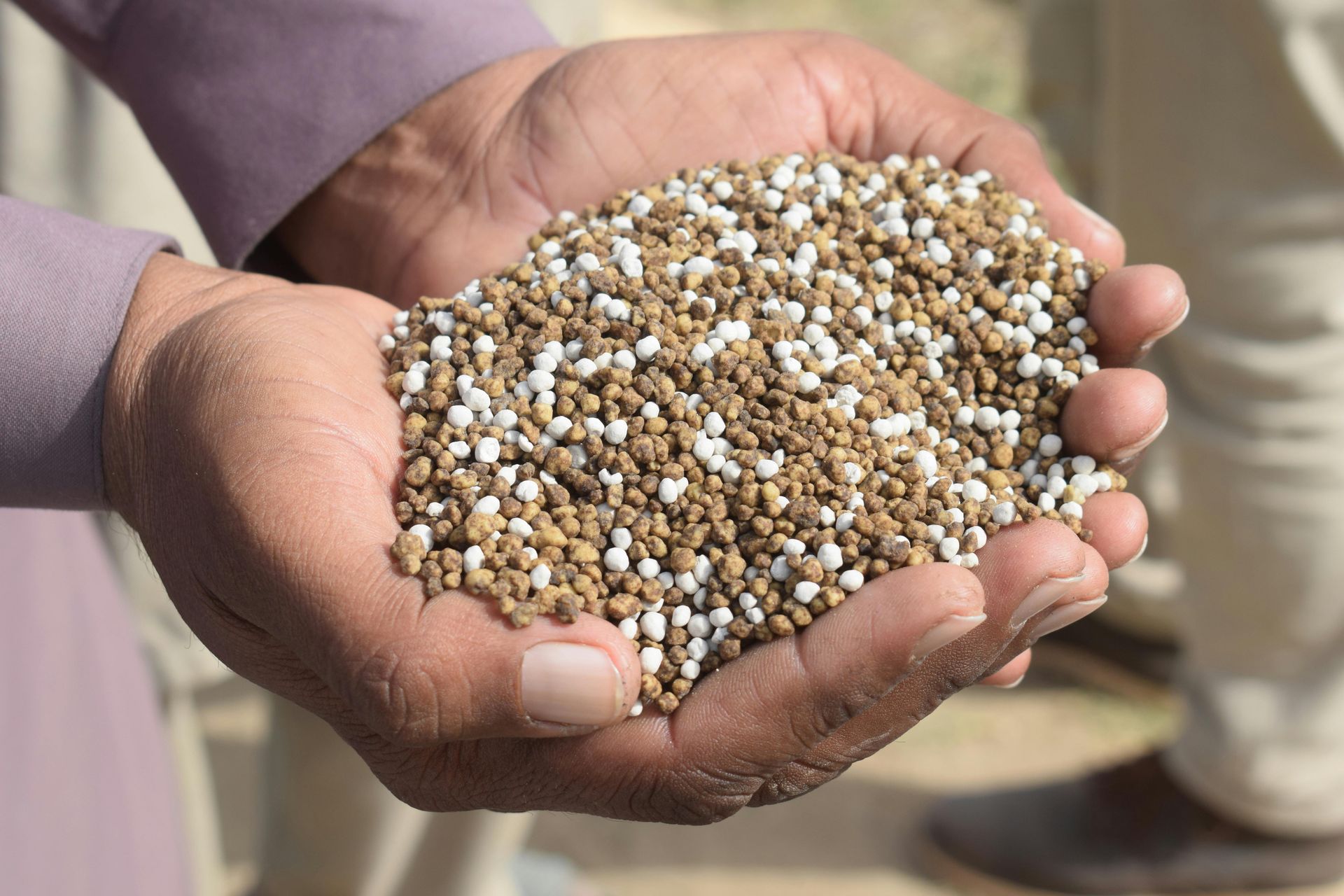
Highland Growers offers custom fertilizer blends designed to support Bermudagrass growth in Southwest Louisiana soils.
[Custom Blend Fertilizer – https://www.highlandgrowers.com/]
Bahiagrass: A Durable Pasture Grass
Bahiagrass is another popular grass variety used in Louisiana pastures, particularly in sandy or low-fertility soils.
Although it produces lower yields than Bermudagrass, Bahiagrass offers several advantages for cattle farmers.
Benefits of Bahiagrass
- Strong tolerance for poor soils
- Low fertilizer requirements
- Good resistance to drought
- Long-lasting pasture stands
Because of its durability, Bahiagrass is often used in low-maintenance grazing systems.
Farmers who want a pasture that requires fewer inputs often choose Bahiagrass as their primary forage grass.
Ryegrass: Winter Grazing Solution
Annual ryegrass is commonly planted in Louisiana to provide grazing during cooler months.
Warm-season grasses like Bermudagrass and Bahiagrass slow down during winter, but ryegrass can continue producing forage.
Advantages of Ryegrass
- Excellent winter grazing
- High nutritional value for livestock
- Rapid growth in cooler temperatures
- Extended grazing season
Many Louisiana farmers overseed ryegrass into existing pastures during the fall to maintain forage availability.
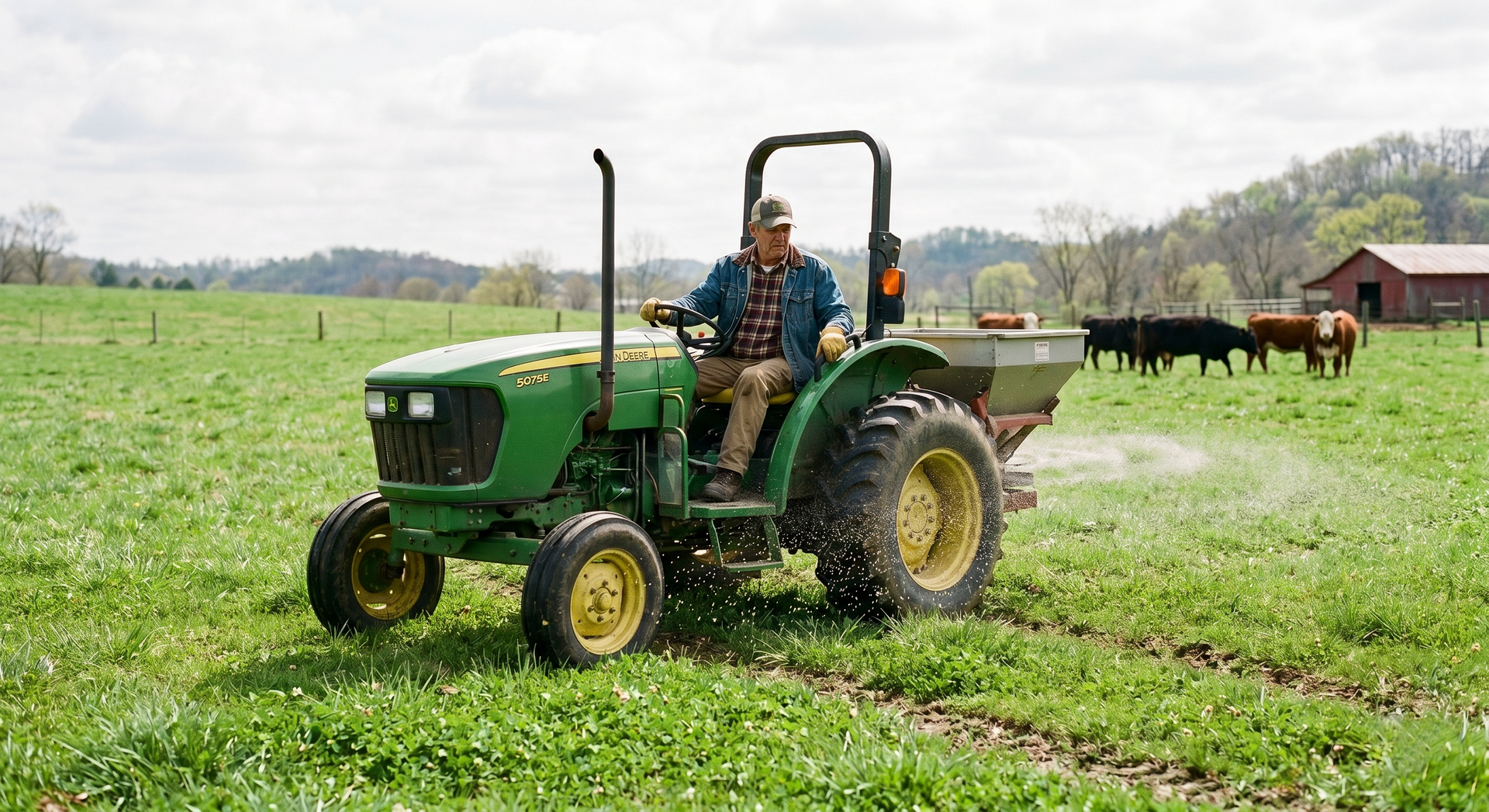
Proper fertilization helps ryegrass produce high-quality winter forage for cattle operations.
Dallisgrass: Naturalized Pasture Grass
Dallisgrass is commonly found in established pastures throughout Louisiana.
This grass grows naturally in many grazing systems and can provide valuable forage when managed properly.
Benefits of Dallisgrass
- Good adaptation to Louisiana soils
- Strong regrowth after grazing
- Good forage quality for livestock
- Compatible with other pasture grasses
However, Dallisgrass requires careful management because certain conditions may lead to fungal issues in mature seed heads.
Farmers often combine Dallisgrass with other forage grasses to improve pasture diversity.
Mixed Grass Pastures
Many farmers plant mixed grass pastures rather than relying on a single grass variety.
Mixed pastures can provide several benefits.
Advantages of Mixed Pastures
- Increased resilience during drought
- Improved soil health
- Balanced forage availability
- Reduced risk of pasture failure
Combining grasses like Bermudagrass and ryegrass allows farmers to maintain grazing availability throughout the year.
Soil Preparation for New Pastures
Before planting pasture grasses, farmers should prepare their soil properly.
Key steps include:
- Soil testing
- Adjusting soil pH if necessary
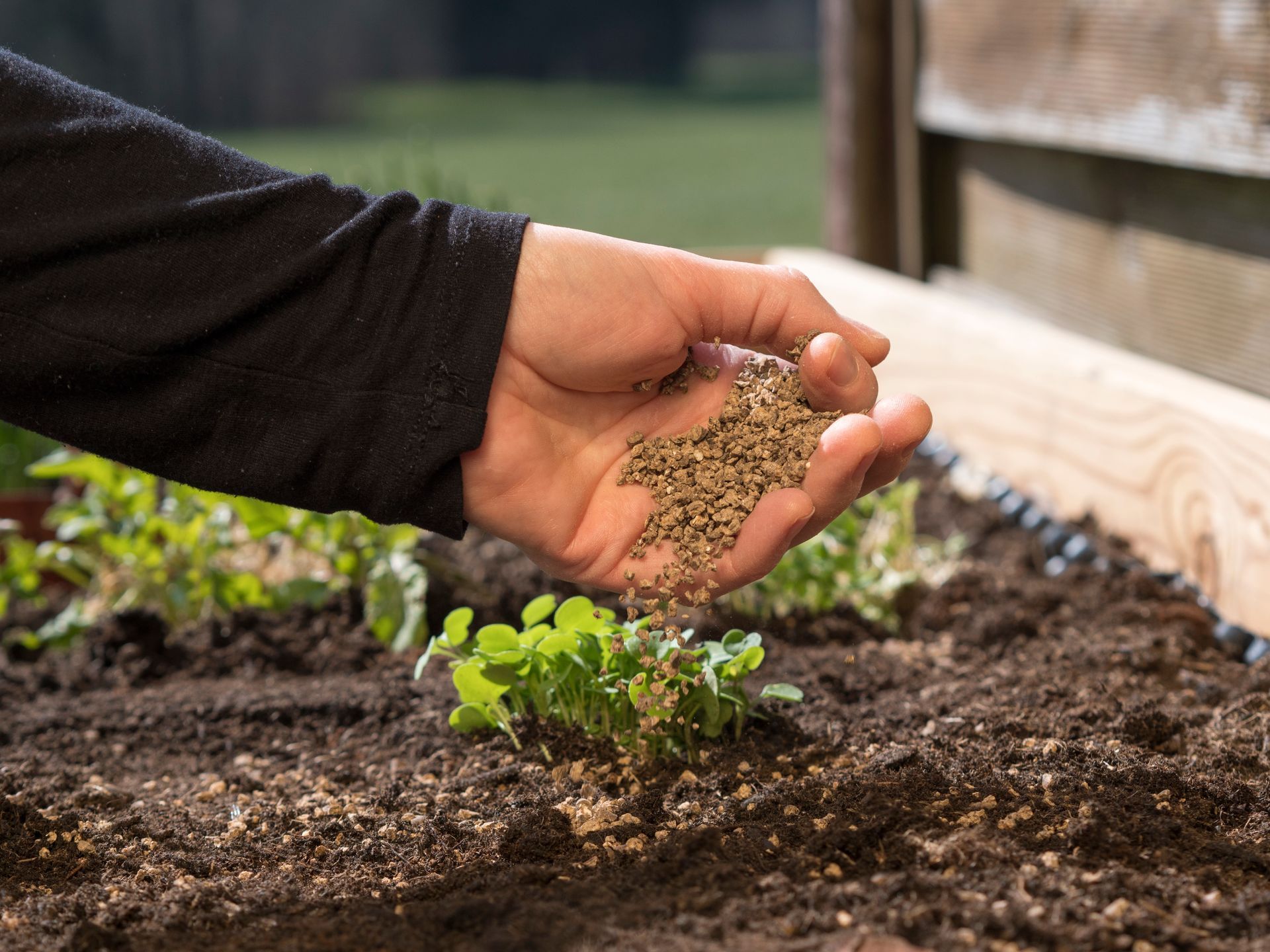
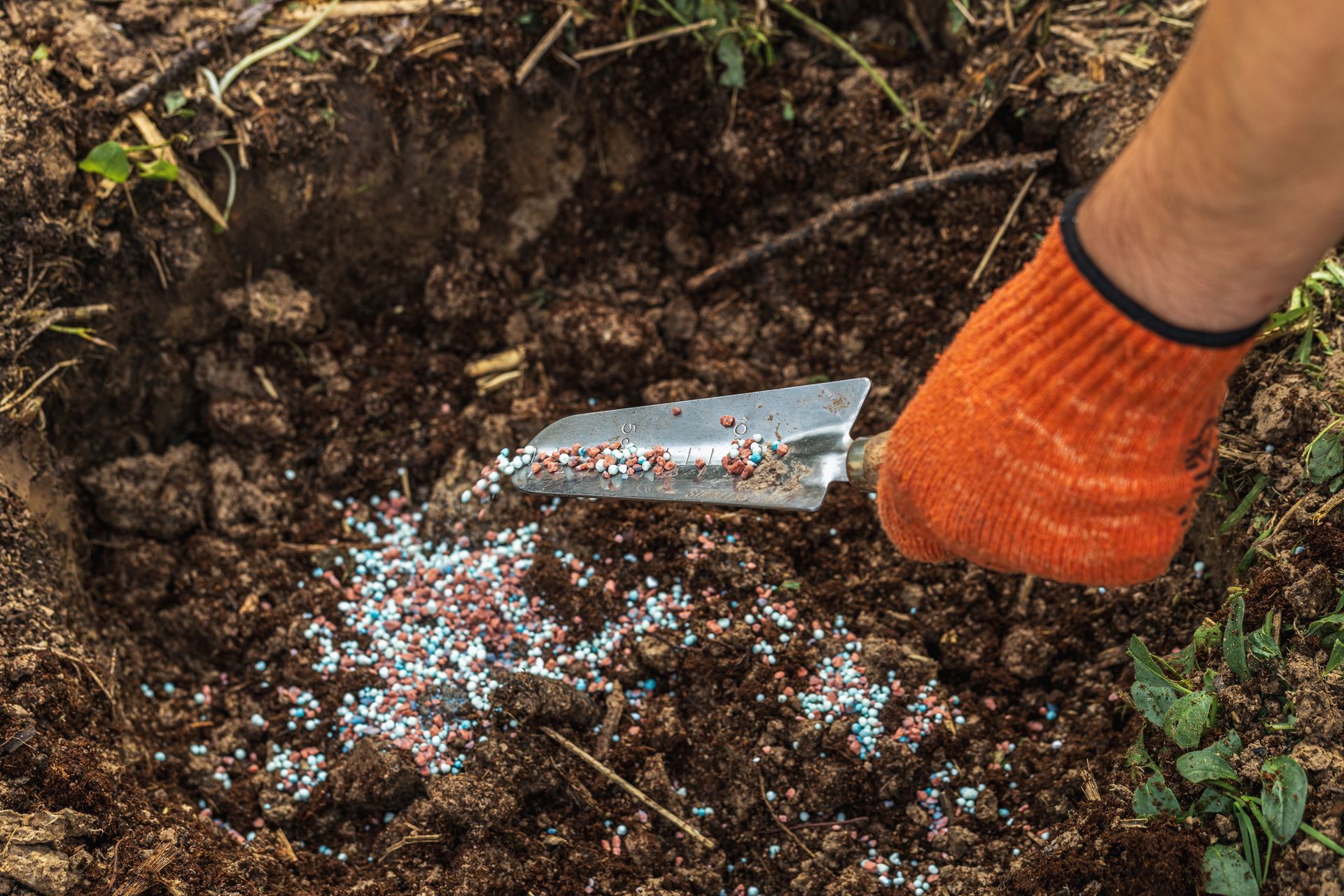
- Applying recommended fertilizer
- Preparing seedbeds for planting
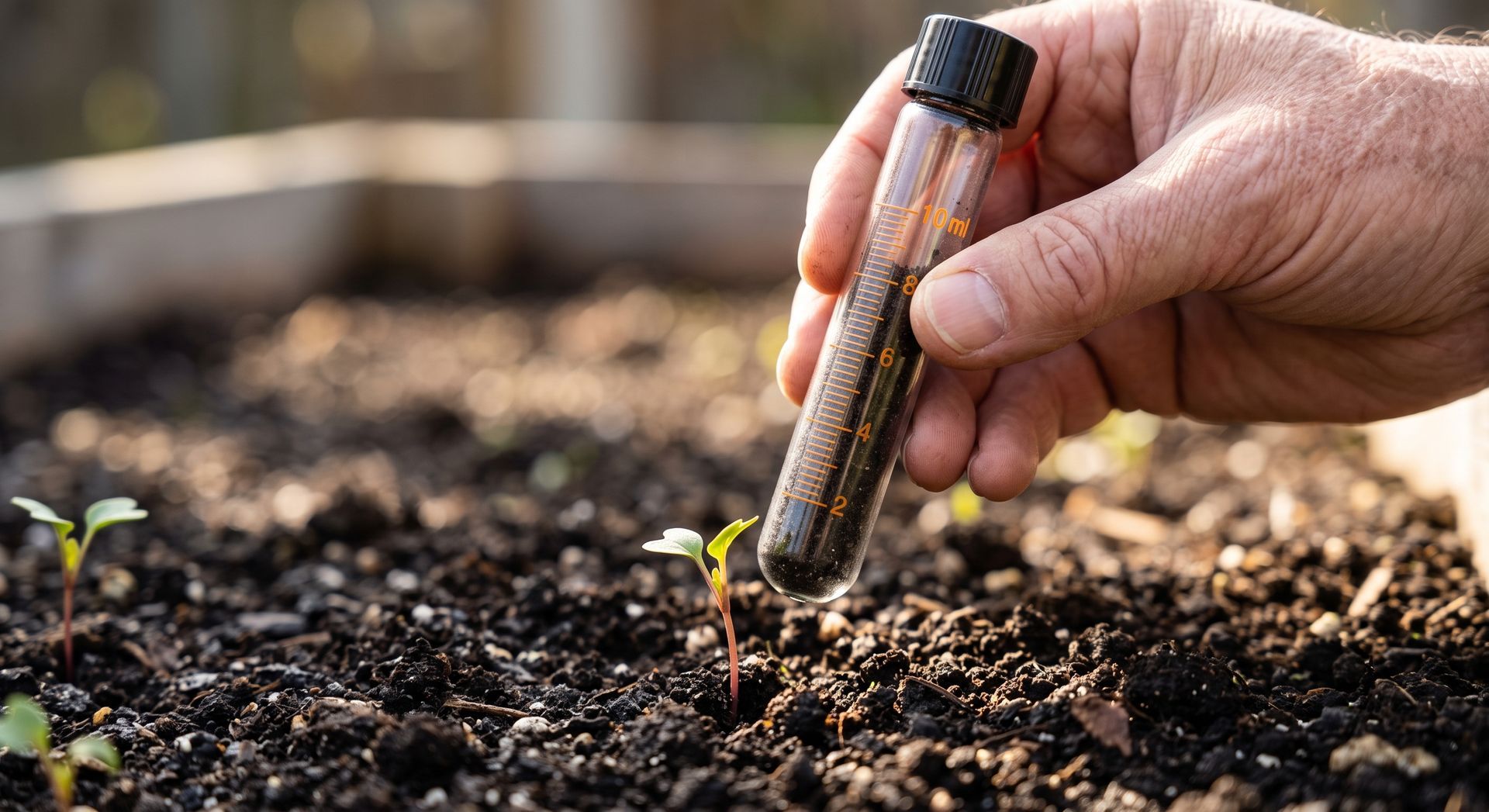
Soil testing helps farmers determine which nutrients their soil needs before establishing new pastures.
Highland Growers provides soil testing services and nutrient recommendations for farmers across Southwest Louisiana.
[Soil Testing Services – https://www.highlandgrowers.com/]
According to the LSU AgCenter, proper soil fertility management is essential for establishing productive forage systems.
[LSU AgCenter Forage Management – https://www.lsuagcenter.com]
Fertilization for Pasture Grasses
Different grasses require different fertilization strategies.
Bermudagrass Fertilization
Bermudagrass requires regular nitrogen fertilization to maintain high productivity.
Farmers typically fertilize Bermudagrass:
- Early in the growing season
- After hay cuttings
- During peak growth periods
Bahiagrass Fertilization
Bahiagrass requires fewer fertilizer inputs but still benefits from balanced nutrient applications.
Soil testing helps determine when phosphorus or potassium is needed.
Ryegrass Fertilization
Ryegrass typically requires nitrogen fertilizer during cooler months to support active growth.
Proper fertilization ensures ryegrass produces high-quality winter forage.
Common Grass Selection Mistakes
Farmers sometimes make mistakes when selecting pasture grasses.
Common mistakes include:
- Choosing grasses unsuited to local soil conditions
- Ignoring fertilizer requirements
- Planting only one grass variety
- Skipping soil testing before planting
Working with agricultural professionals can help farmers avoid these issues.
Why Local Agricultural Expertise Matters
Farmers in DeRidder and surrounding communities benefit from working with local agricultural suppliers who understand the region’s soil and climate conditions.
Highland Growers serves farmers across:
- DeRidder
- Leesville
- Merryville
- DeQuincy
- Southwest Louisiana
Their services include:
- Custom fertilizer blending
- Soil testing and nutrient recommendations
- Seed supply
- Farm chemicals
- Wildlife food plot products
- State-certified truck scale services
Local expertise helps farmers select grass varieties that perform best in Louisiana’s growing conditions.
FAQs About Pasture Grass in Louisiana
What is the best grass for Louisiana pastures?
Bermudagrass and Bahiagrass are two of the most common grasses used for Louisiana pastures because they tolerate heat and heavy rainfall.
What grass produces the best hay?
Bermudagrass is widely considered one of the best grasses for hay production due to its high yield and excellent regrowth.
Can ryegrass grow in Louisiana winters?
Yes. Annual ryegrass grows well in Louisiana during cooler months and is often planted for winter grazing.
Should farmers plant multiple grass types?
Yes. Mixed grass pastures can improve resilience and provide forage throughout different seasons.
Do pasture grasses require fertilizer?
Yes. Fertilizer supports healthy grass growth and helps maintain productive pastures.
Find the Right Grass Seed for Your Farm
If you are planning to establish a new pasture or improve hay production in DeRidder or Southwest Louisiana, Highland Growers can help.
Their team provides grass seed, fertilizer, soil testing, and agricultural expertise to help farmers build productive pasture systems.
Contact Highland Growers today to learn more about selecting the best grass varieties for your farm.