Best Practices for Storing Fertilizer on Your Property
Learn safe, effective fertilizer storage practices for Louisiana farms

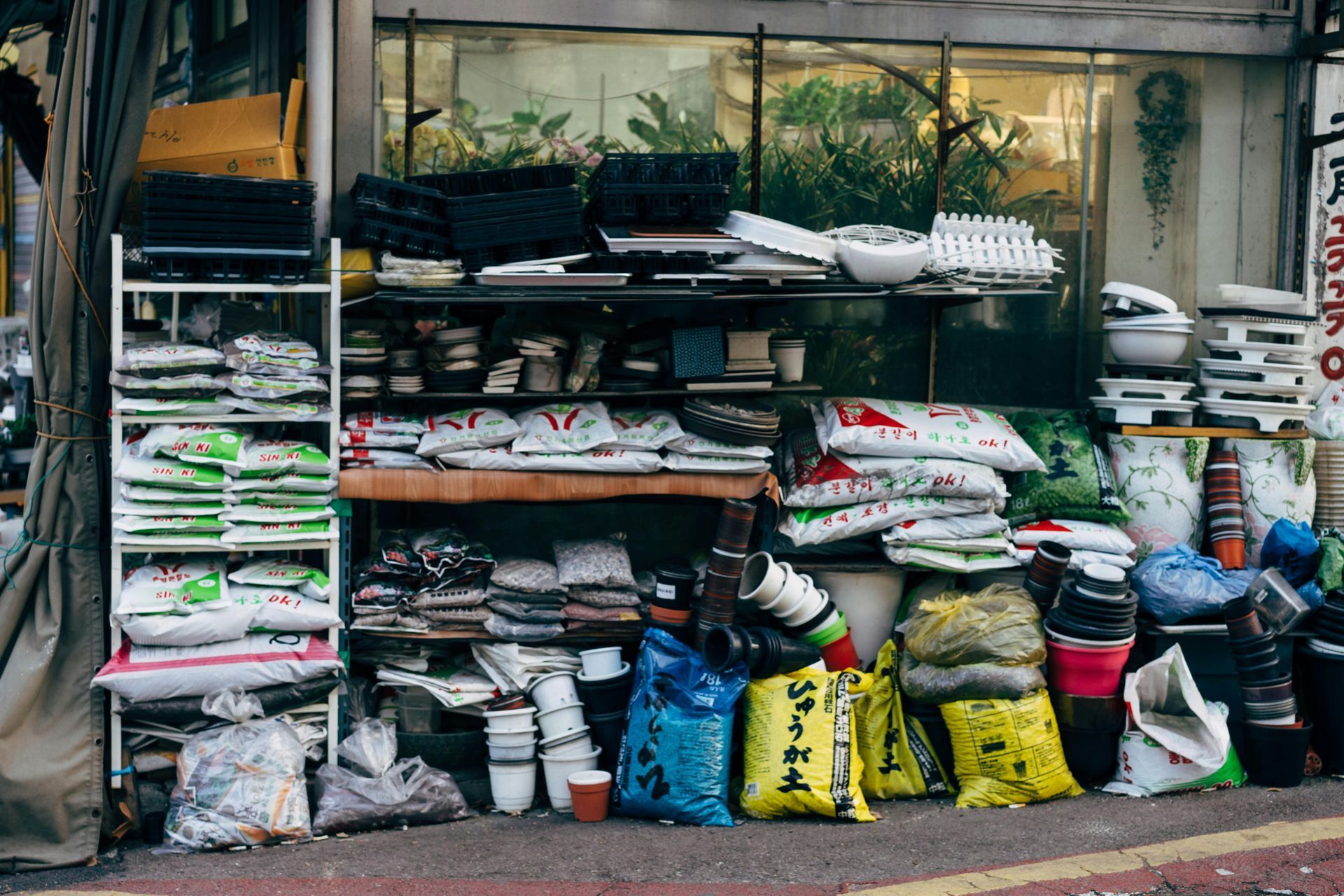
Whether you're running a small pasture or a full-scale row crop operation, keeping fertilizer stored properly is critical to both safety and performance. Fertilizer that’s exposed to moisture, heat, or contamination can lose its potency—or even become hazardous to people, animals, and the environment.
At Highland Growers LLC in DeRidder, LA, we help farmers across Louisiana store and handle fertilizers with confidence. In this article, we’ll walk you through best practices for on-farm fertilizer storage, including environmental protections, equipment tips, and Louisiana-specific considerations.
Why Proper Fertilizer Storage Matters
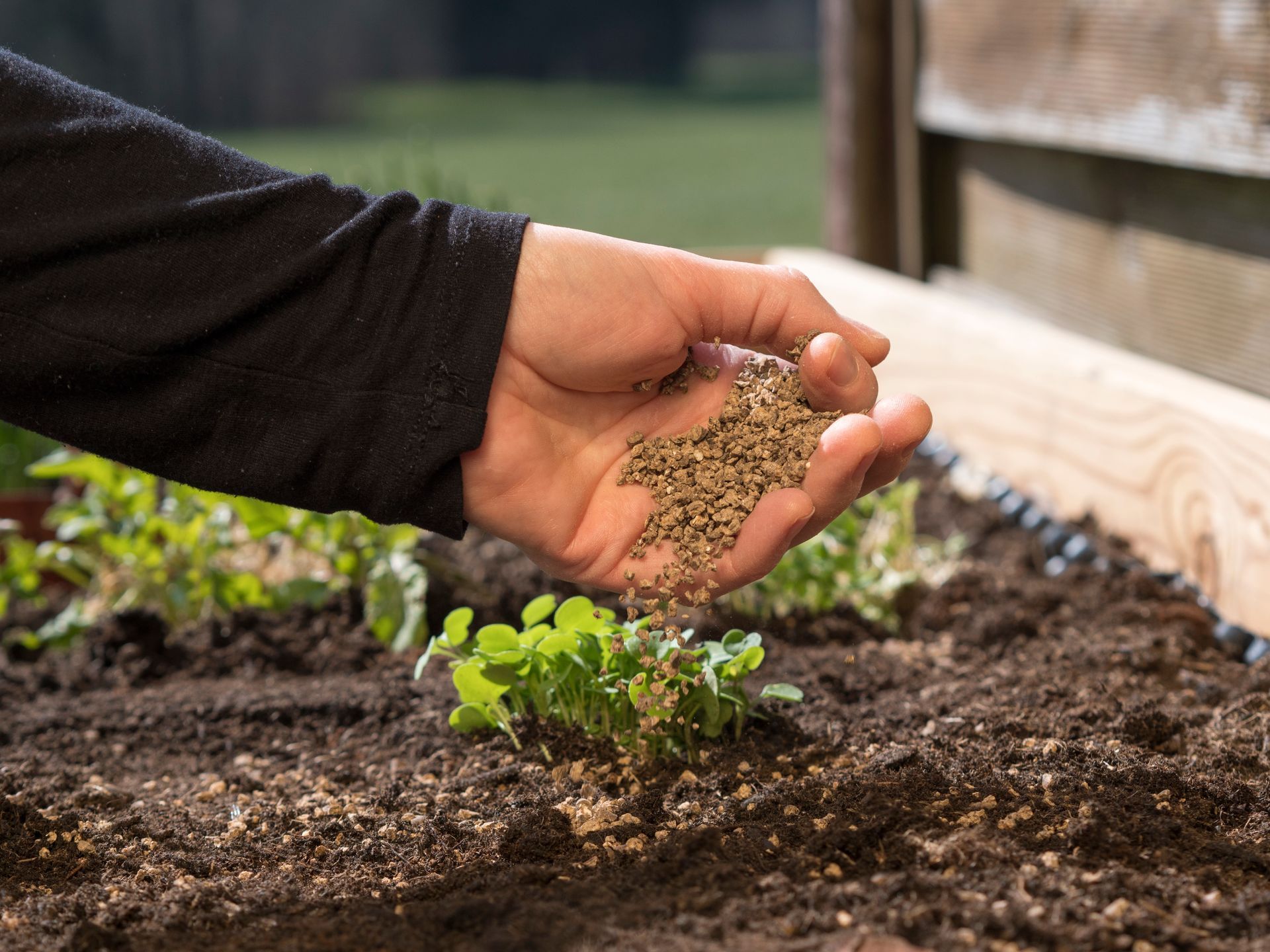
Fertilizers are valuable inputs—but they’re also sensitive to the elements. Improper storage can lead to:
- Clumping or hardening in granular products
- Nutrient loss through volatilization or leaching
- Safety hazards from spills or fires
- Groundwater contamination if runoff reaches ditches or ponds
- Regulatory fines if you violate storage laws or runoff standards
Storing fertilizer correctly protects:
- Your investment
- Your soil and crop health
- Your farm’s water sources
- Your family, workers, and livestock
Know the Types of Fertilizer You’re Storing
Different fertilizers require different storage conditions. Always check the label, SDS (Safety Data Sheet), or ask us at Highland Growers if you're unsure.
| Type | Storage Notes |
|---|---|
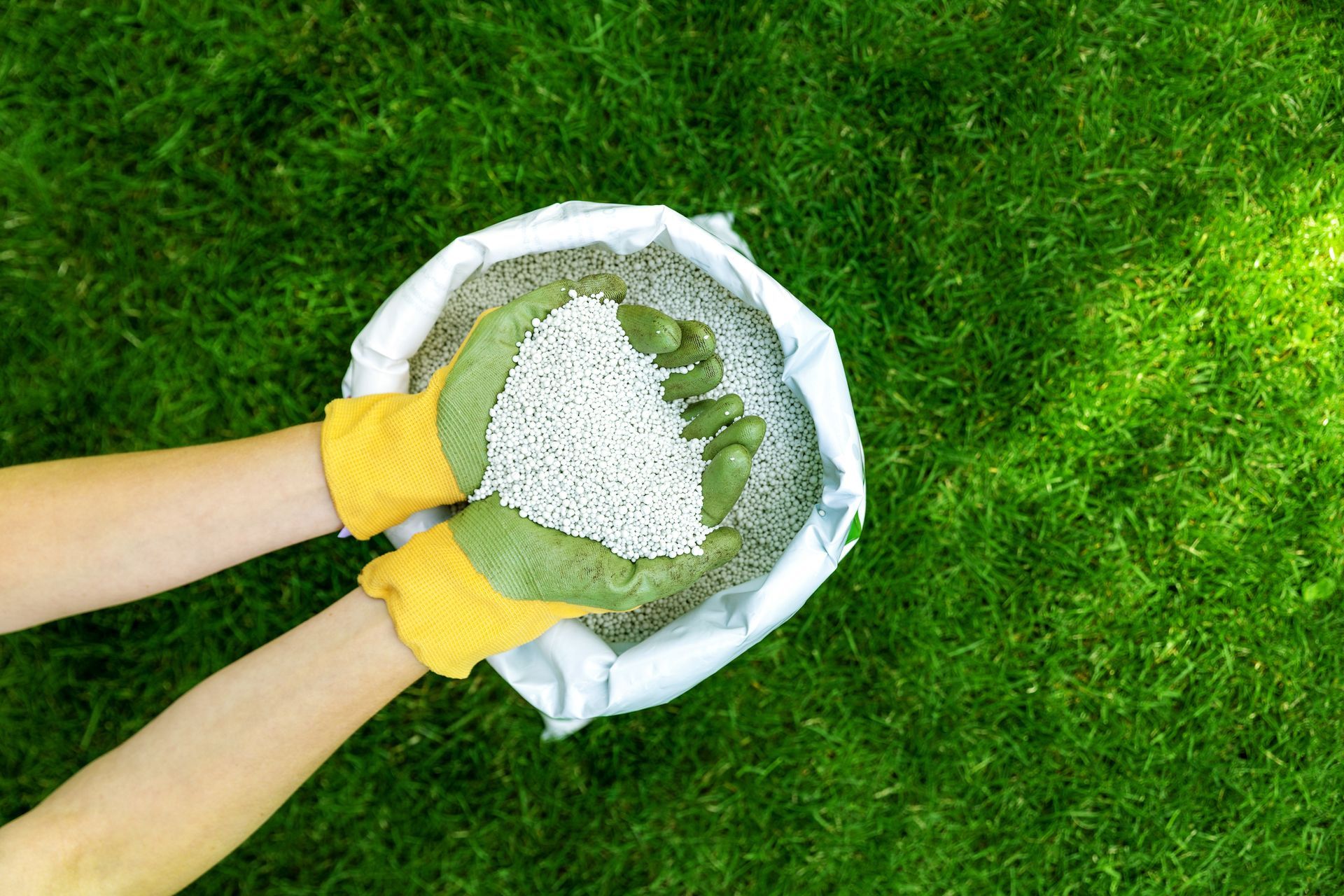
| Granular | Keep dry and covered. Moisture causes clumping or nutrient loss. |
| Liquid | Store in sealed containers. Temperature and UV exposure can degrade effectiveness. |
| Urea (46-0-0) | Very sensitive to moisture and heat. Volatile in open-air conditions. |
| Ammonium Nitrate | Highly regulated. Store securely with fire prevention in mind. |
| Organic fertilizers | Can attract pests. Store sealed and away from feed or animal areas. |
1. Store in a Dry, Covered Area
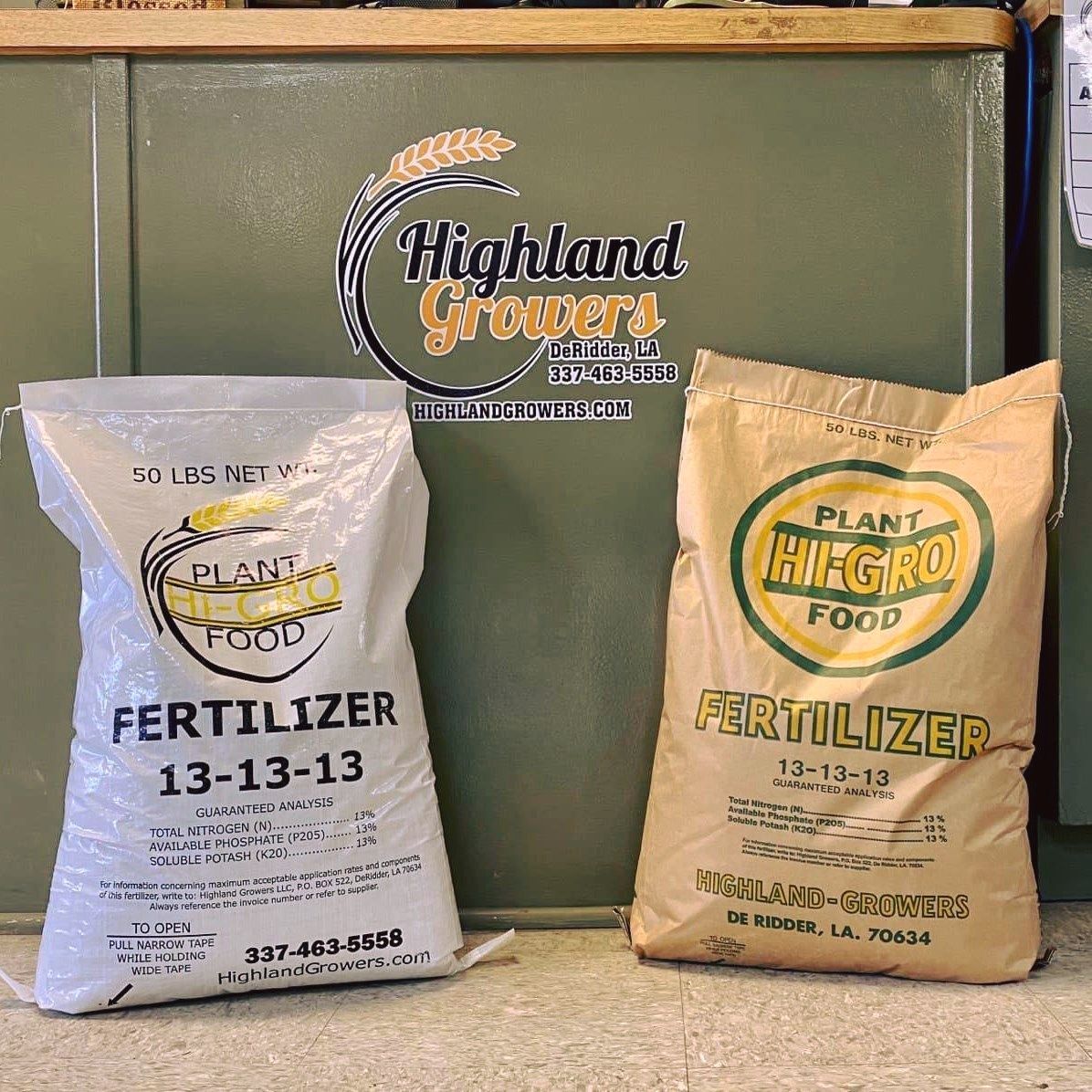
Moisture is the enemy of most fertilizer types—especially granular blends like 13-13-13 or custom mixes. Exposure to humidity can cause:
- Clumping
- Caking in bags
- Loss of nitrogen due to chemical reactions
Recommended:
- A shed or outbuilding with a solid roof and good ventilation
- Off-ground pallets to allow air circulation
- Tarp covering for extra moisture protection (but not airtight)
If your barn is open-sided, store fertilizer away from wall edges to prevent windblown rain from reaching the product.
2. Use Pallets or Raised Platforms
Always store bagged fertilizer or bulk totes off the ground. Even concrete floors can “sweat” in high humidity, allowing moisture to wick up into packaging.
- Use plastic or treated wood pallets
- Stack no more than 2–3 bags high to prevent crushing
- Ensure airflow around all sides of the stack
For liquid fertilizer totes, ensure the platform is level and stable, and keep hoses elevated and capped when not in use.
3. Label and Organize Clearly
Mixing up fertilizer types can cause serious problems in the field—or even damage your crops. Always:
- Keep products labeled and separated by type
- Store different nutrient blends apart to avoid cross-contamination
- Mark each stack with crop or field names if custom blends are in use
Pro Tip: Keep copies of SDS sheets nearby in a waterproof folder, in case of emergency or inspection.
4. Prevent Cross-Contamination with Chemicals
Fertilizers and pesticides should never be stored in the same space. Chemicals can:
- Leach into or alter fertilizer composition
- React under high temperatures
- Pose combined environmental hazards if spilled
Use a separate chemical shed or cabinet for herbicides, insecticides, or fungicides.
Need help organizing storage areas? Ask us about combo solutions for farms with limited space.
5. Protect Against Runoff and Spills
In Louisiana’s rainy climate, runoff is a real concern—especially if storing fertilizer near water sources, ditches, or lowland areas.
Best practices include:
- Store 100 feet away from wells, creeks, or ponds
- Use secondary containment pallets for liquid fertilizers
- Grade the storage floor to slope away from doorways
- Keep a spill kit (absorbent pads, shovel, trash bags, gloves) onsite
If a spill happens, contain and clean it immediately. Never hose it off into a ditch or field.
6. Monitor Temperature and Ventilation
High heat can break down certain nutrients or make liquids expand and rupture. Excess humidity encourages mold and moisture damage.
- Avoid direct sunlight exposure
- Ventilate closed buildings to prevent heat buildup
- Use fans or vents to circulate air in summer
- Insulate small storage rooms to reduce temperature swings
7. Rotate Inventory and Watch Expiration Dates
Most fertilizers remain effective for 1–2 years, but shelf life depends on storage conditions.
Follow these tips:
- Use first-in, first-out (FIFO) inventory rotation
- Label bags or totes with the date received
- Inspect bags for damage or clumping before use
- Don’t mix old and new products unless recommended
If in doubt, bring in a sample—we’ll check condition and usability.
Equipment Tips for On-Farm Fertilizer Storage
Having the right tools nearby makes application safer and more efficient:
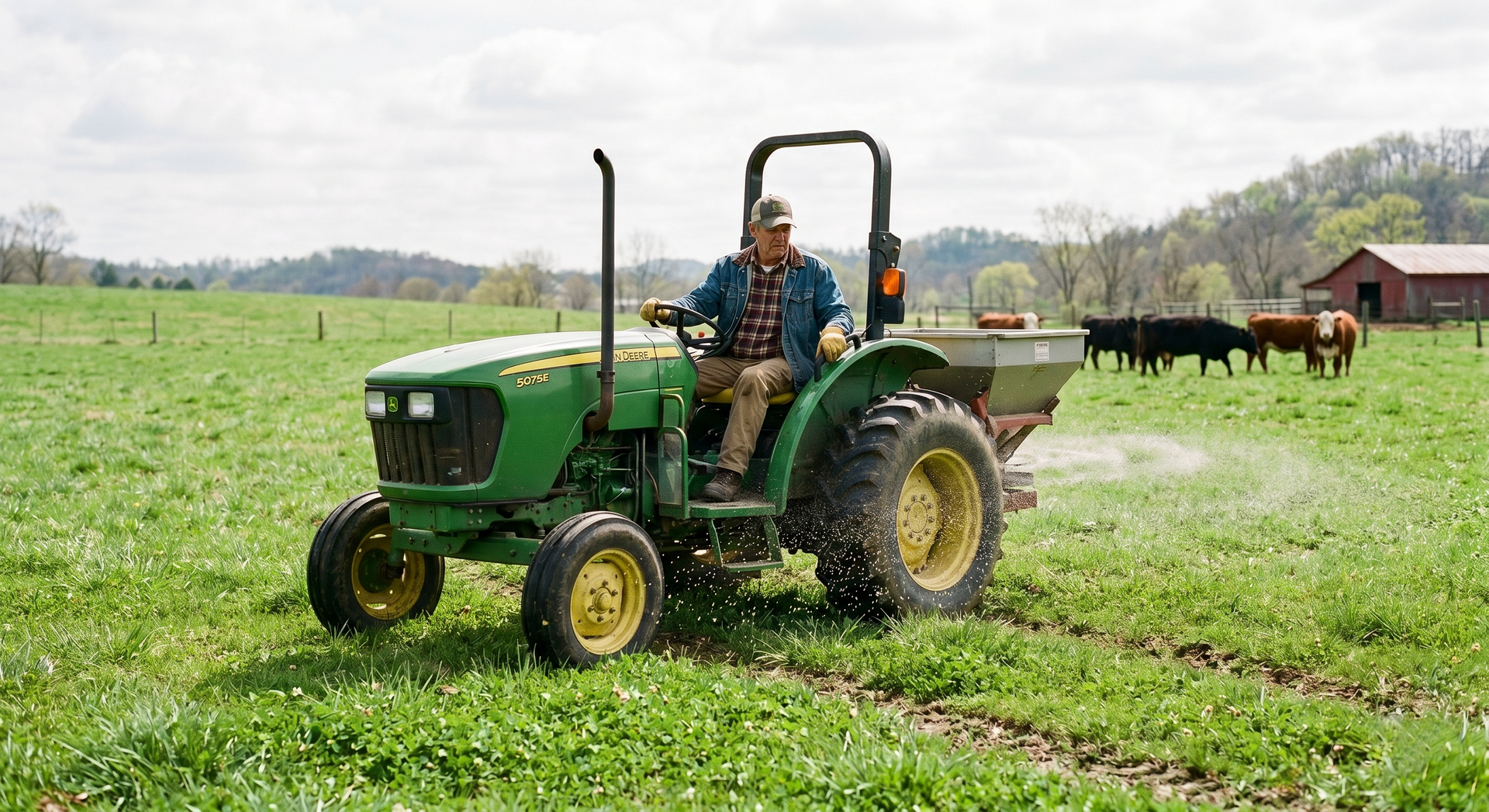
- Dry fertilizer spreaders: Keep clean and dry between uses
- Liquid applicators: Flush after each use to prevent clogs or corrosion
- Tote pumps: Store with hoses disconnected and sealed
- Protective gear: Gloves, mask, and eye protection stored in sealed bins
Ask us about storage-compatible application equipment designed for Louisiana farming operations.
Regulations and Environmental Responsibility in Louisiana
In Louisiana, farmers are expected to minimize nutrient runoff and follow environmental best practices to protect water quality.
While most fertilizer storage rules apply to large-scale operations or commercial dealers, you are still responsible for:
- Preventing offsite movement of nutrients
- Keeping storage safe from children, pets, and livestock
- Disposing of bags, containers, and spills properly
Following simple guidelines now helps avoid fines, field damage, or liability later.
The body content of your post goes here. To edit this text, click on it and delete this default text and start typing your own or paste your own from a different source.
Frequently Asked Questions (FAQs)
Can I store fertilizer outside under a tarp?
It’s possible in the short term, but not recommended in the long term. Humidity and wind can still introduce moisture. Use a covered, ventilated shed if possible.
How long does fertilizer last in storage?
Most fertilizers last 1–2 years if kept dry and cool. Liquid fertilizers may degrade faster in extreme heat.
Is it safe to store fertilizer near animal feed?
No. Always store fertilizer separately from feed, water, or bedding. Accidental contamination can be toxic.
Can I store different types of fertilizer together?
Yes, if properly labeled and separated. Don’t mix blends in the same bin or stack unless they’re identical.
Need Help Setting Up On-Farm Fertilizer Storage?
At Highland Growers, we don’t just sell fertilizer—we help you use it wisely. Our team can:
- Recommend safe storage layouts
- Help select appropriate containers or equipment
- Advise on product shelf life and compatibility
- Provide custom blends that reduce volume and storage needs
Stop by our DeRidder location or visit https://highlandgrowers.com to ask about safe storage for your fertilizer inventory. Serving Beauregard Parish and surrounding areas with trusted, practical ag solutions.