Pasture Management Tips for Louisiana Cattle Farmers
the best pasture management tips for Louisiana cattle farmers

Successful cattle farming in Southwest Louisiana depends heavily on proper pasture management. Healthy pastures provide cattle with the nutrients they need while reducing feed costs and improving overall herd health. The most effective pasture management practices include soil testing, proper fertilization, rotational grazing, weed control, and selecting the right forage grasses for Louisiana’s climate.
For ranchers near DeRidder, LA, working with experienced agricultural suppliers like Highland Growers helps ensure pastures stay productive throughout the growing season.
Why Pasture Management Matters for Cattle Operations
Well-managed pastures provide numerous benefits for cattle farmers. In Louisiana’s warm and humid climate, forage can grow quickly—but poor management can lead to overgrazing, weed invasion, and declining soil fertility.
Effective pasture management helps farmers:
- Increase forage production
- Improve cattle nutrition
- Reduce feed costs
- Prevent soil erosion
- Maintain long-term soil health
Healthy pastures also support higher stocking rates, meaning farmers can raise more cattle per acre without damaging the land.
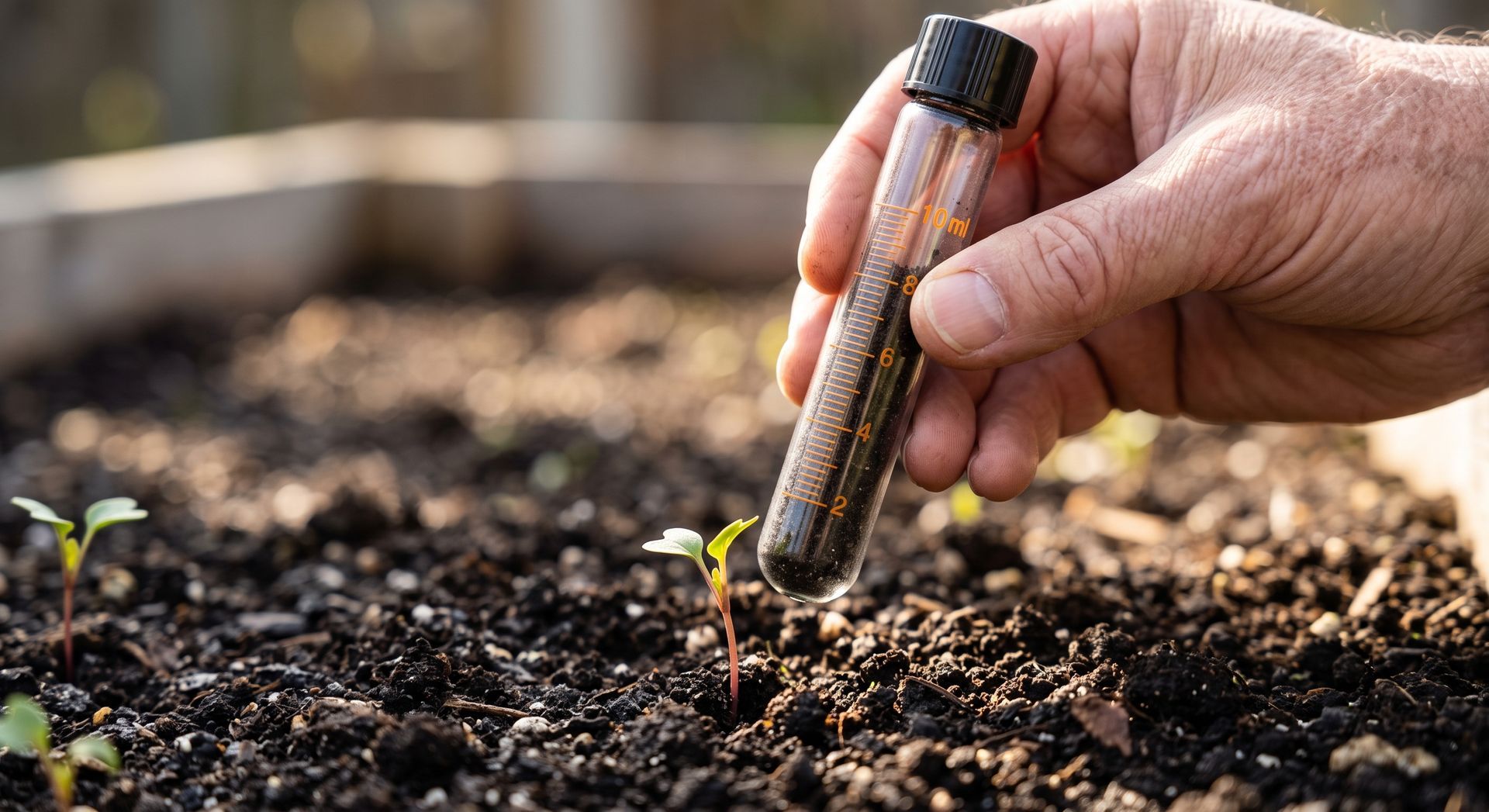
Start with Soil Testing
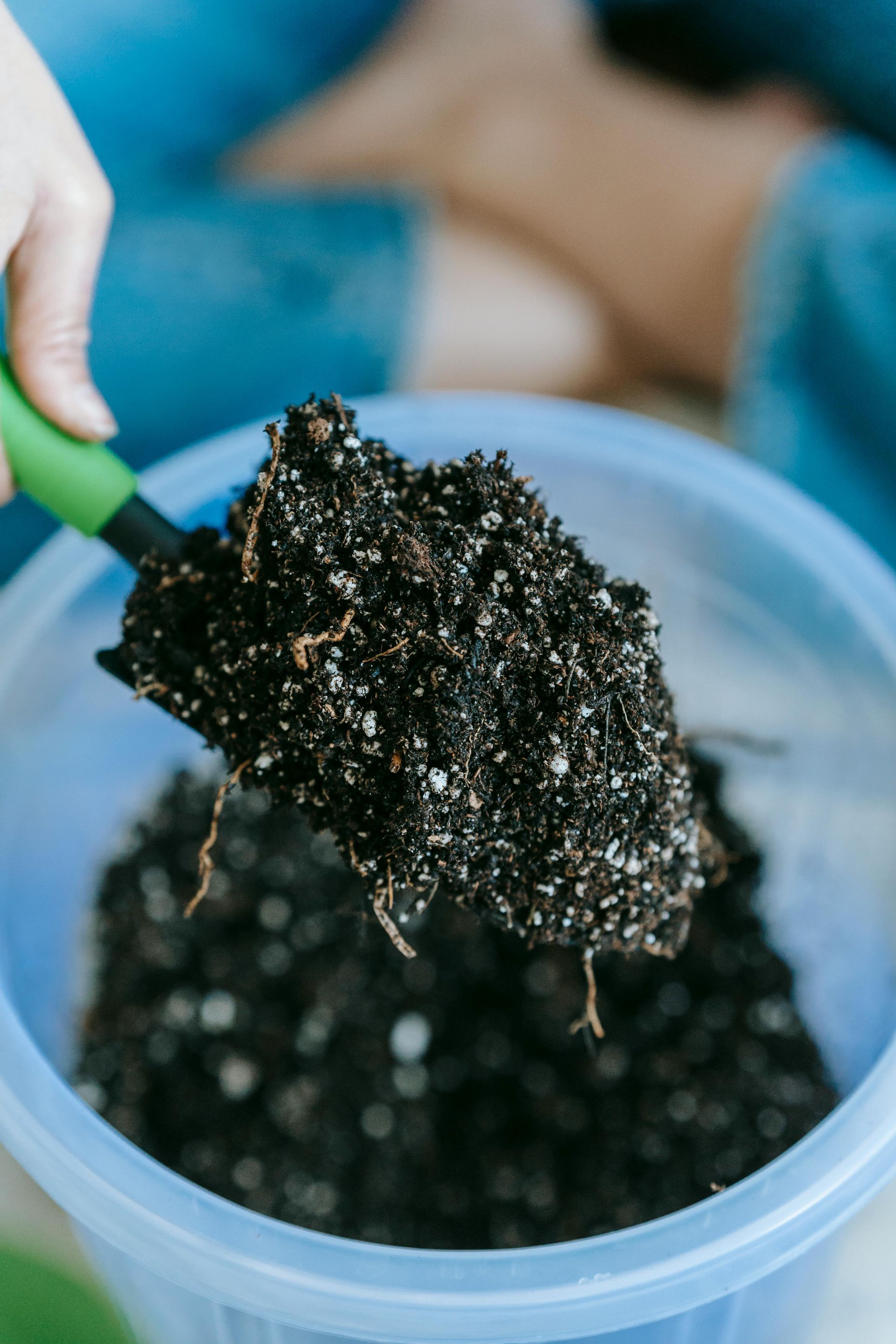
Before making any improvements to your pasture, it’s essential to understand the condition of your soil.
A soil test provides important information about:
- Soil pH levels
- Nutrient availability
- Fertility deficiencies
- Fertilizer recommendations
Farmers can use this data to develop a targeted fertilization plan that supports strong forage growth.
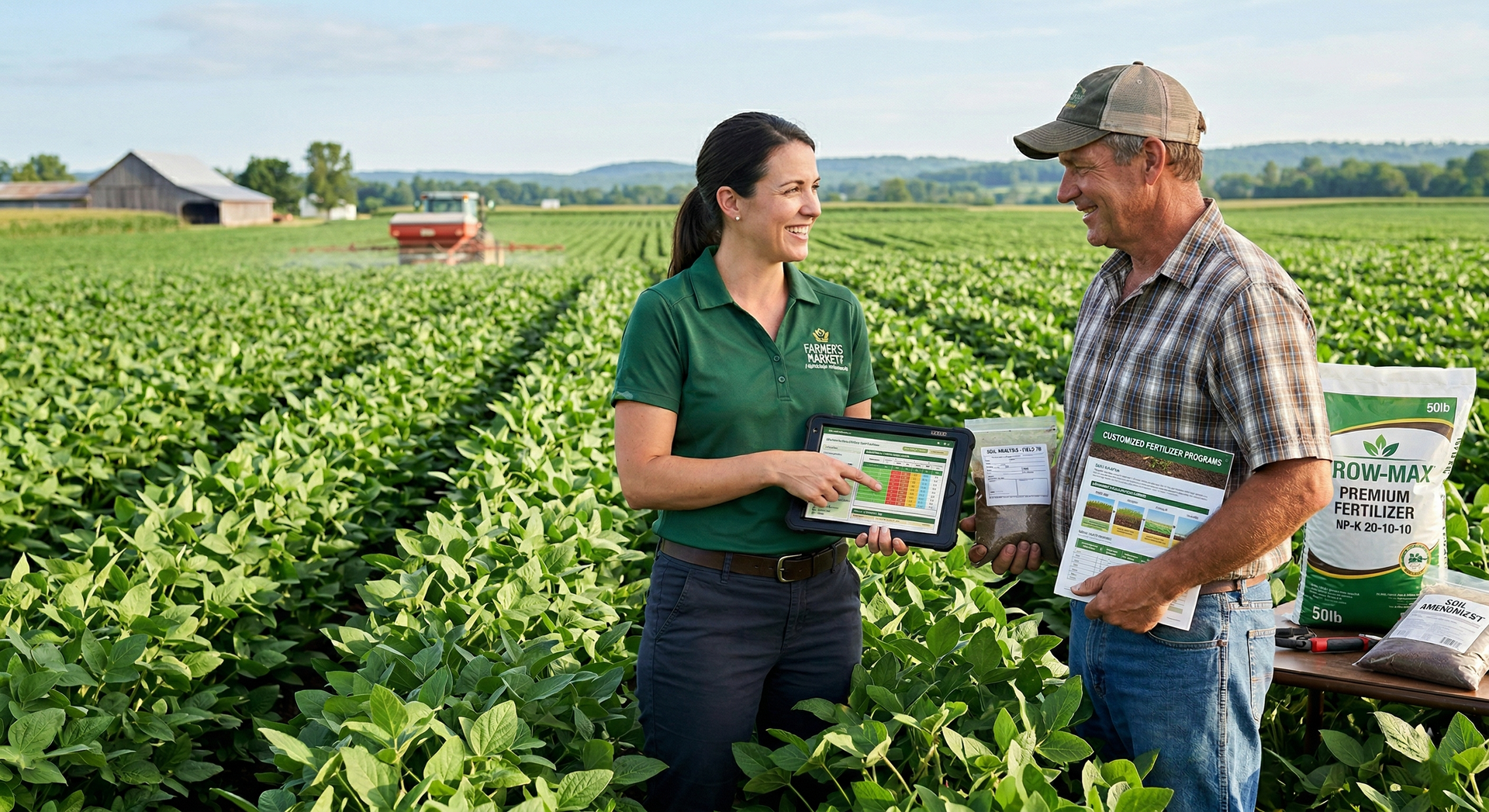
Highland Growers offers soil testing and custom nutrient recommendations to help local farmers make informed pasture management decisions.
[Highland Growers Soil Testing – https://www.highlandgrowers.com/]
According to the LSU AgCenter, soil testing is the most reliable way to determine fertilizer needs and avoid wasting money on unnecessary nutrients.
[LSU AgCenter Soil Fertility Guide – https://www.lsuagcenter.com]
Choose the Right Grass for Louisiana Pastures
Selecting the right forage species is critical for maintaining productive grazing land.
Several grasses perform well in Louisiana’s climate.
Bermudagrass
Bermudagrass is one of the most popular pasture grasses in the region.
Advantages include:
- High forage yields
- Excellent regrowth after grazing
- Good drought tolerance
However, Bermudagrass requires consistent fertilization to maintain productivity.
Bahia Grass
Bahia grass is another common choice for Louisiana pastures.
Benefits include:
- Lower fertilizer requirements
- Strong tolerance for sandy soils
- Long-lasting pasture stands
Although Bahia grass produces slightly lower yields than Bermudagrass, it is highly durable.
Ryegrass (Seasonal)
Annual ryegrass is often planted for winter grazing in Louisiana.
It provides:
- High-quality forage during cooler months
- Improved grazing availability in early spring
- Increased pasture productivity
Many farmers overseed ryegrass into warm-season pastures for year-round forage.
Implement Rotational Grazing
Rotational grazing is one of the most effective strategies for improving pasture health.
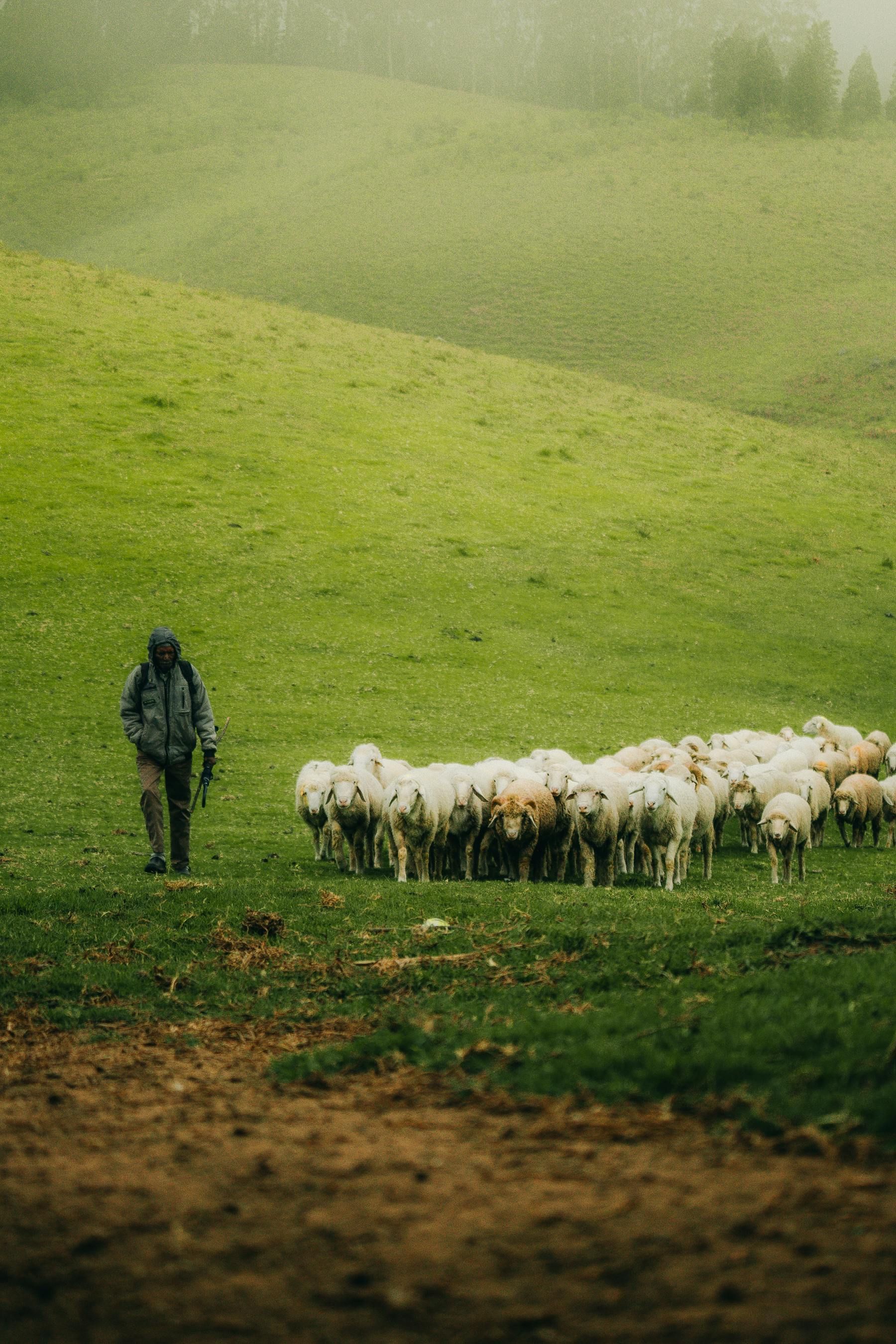
Instead of allowing cattle to graze continuously in one area, rotational grazing divides pastures into multiple sections, or paddocks.
Cattle are moved regularly between these paddocks to allow grass time to recover.
Benefits include:
- Improved forage growth
- Reduced overgrazing
- Healthier root systems
- Better manure distribution
- Increased pasture lifespan
Rotational grazing also allows farmers to control grazing pressure more effectively.
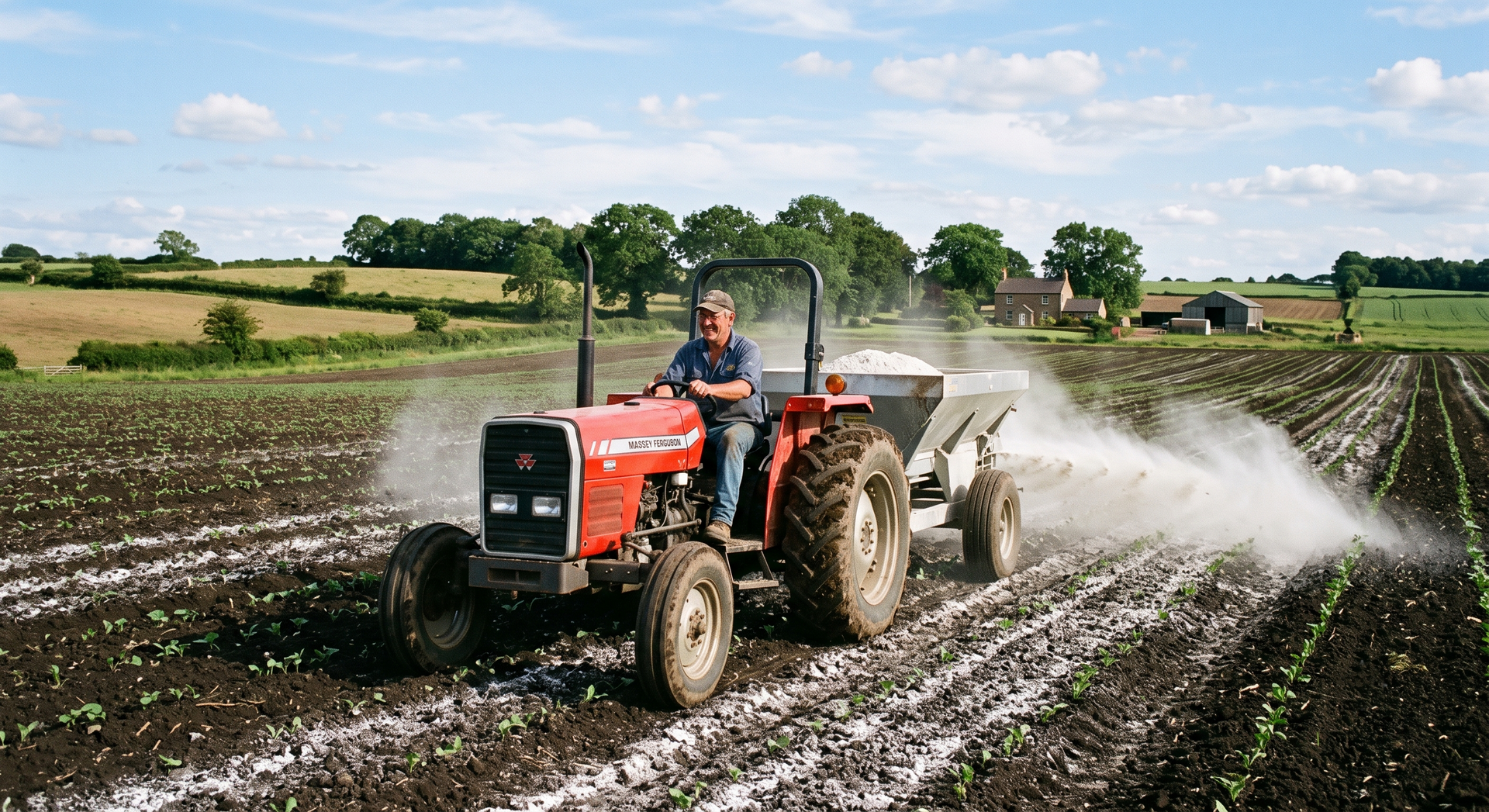
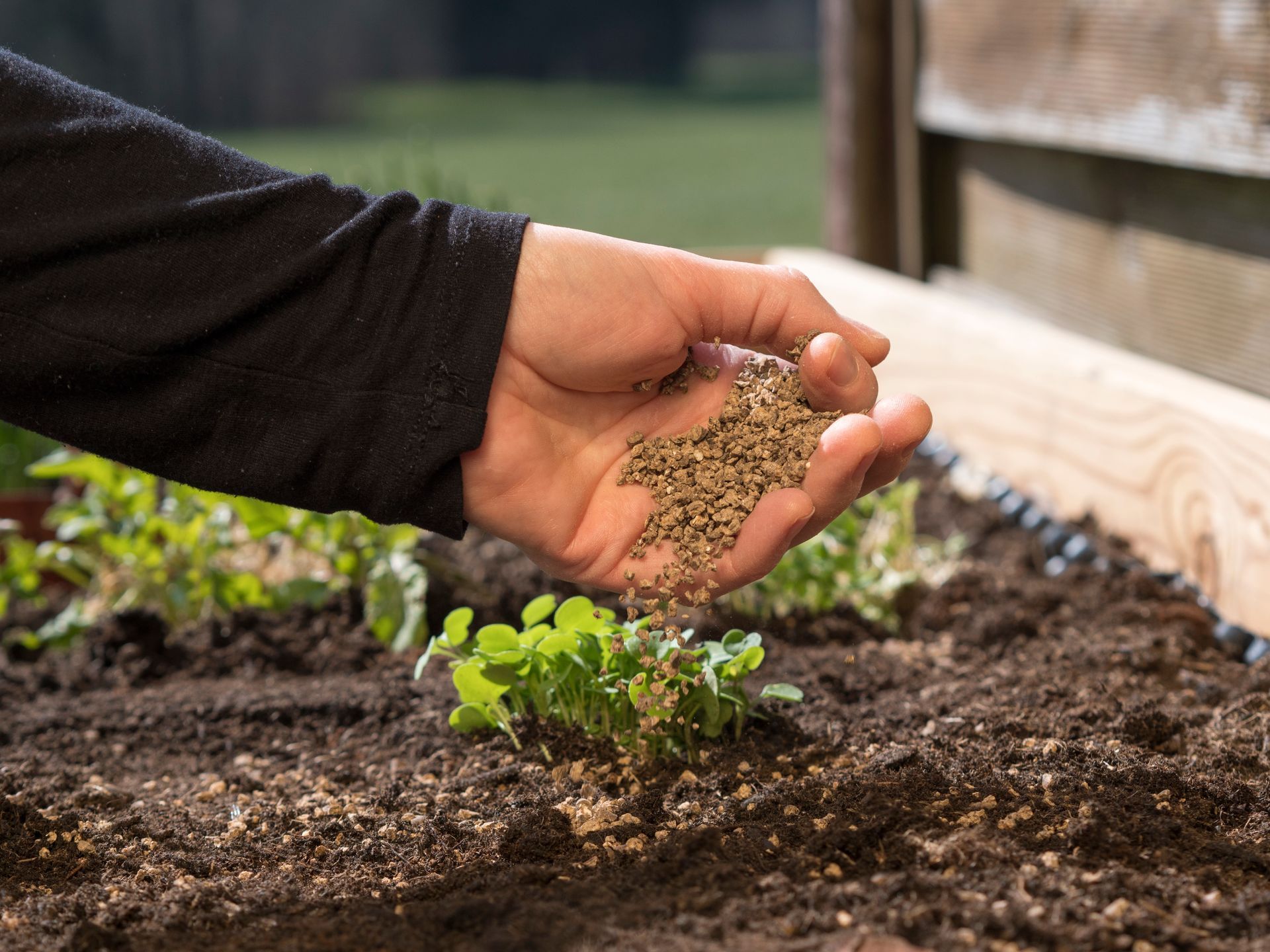
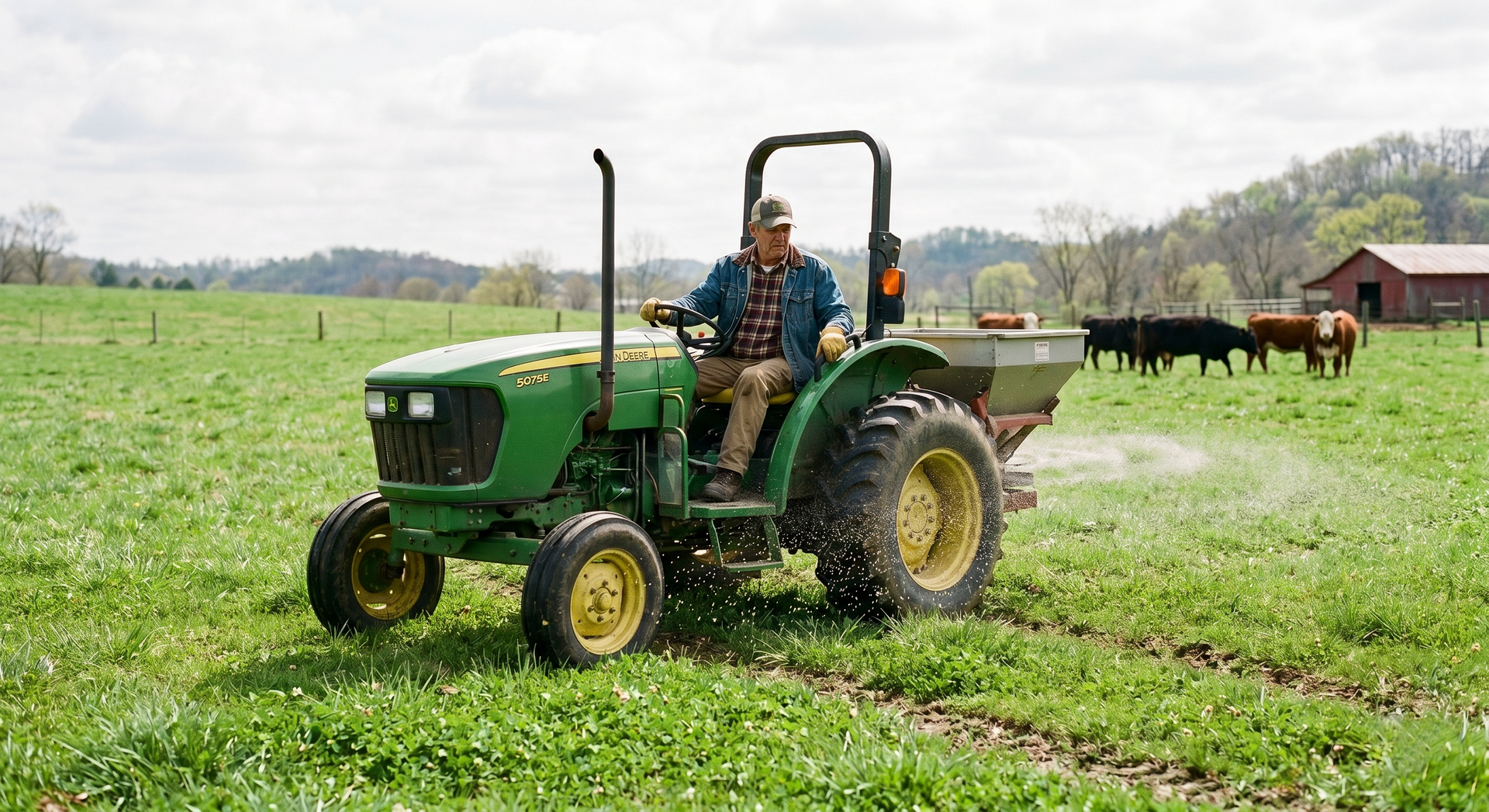
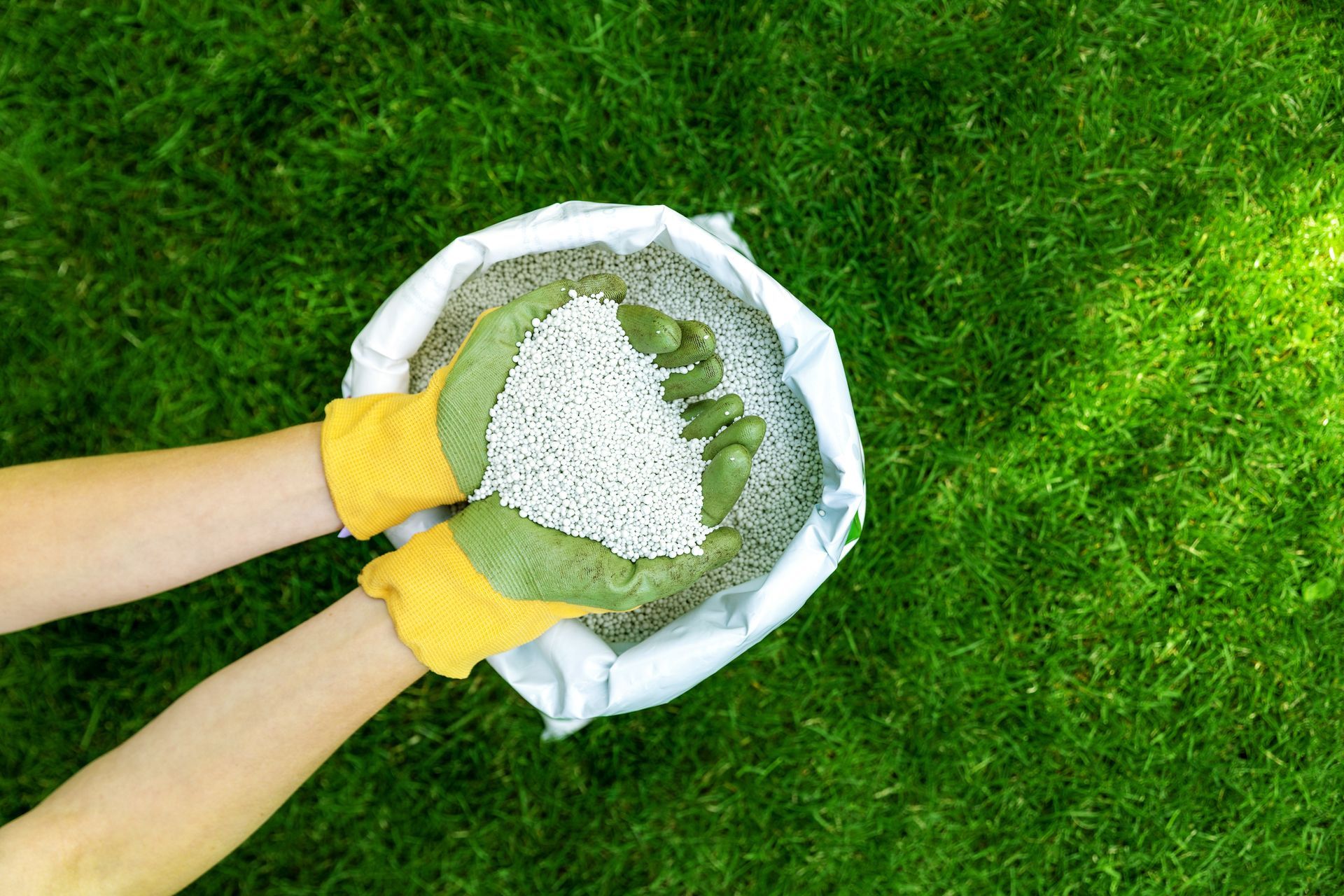
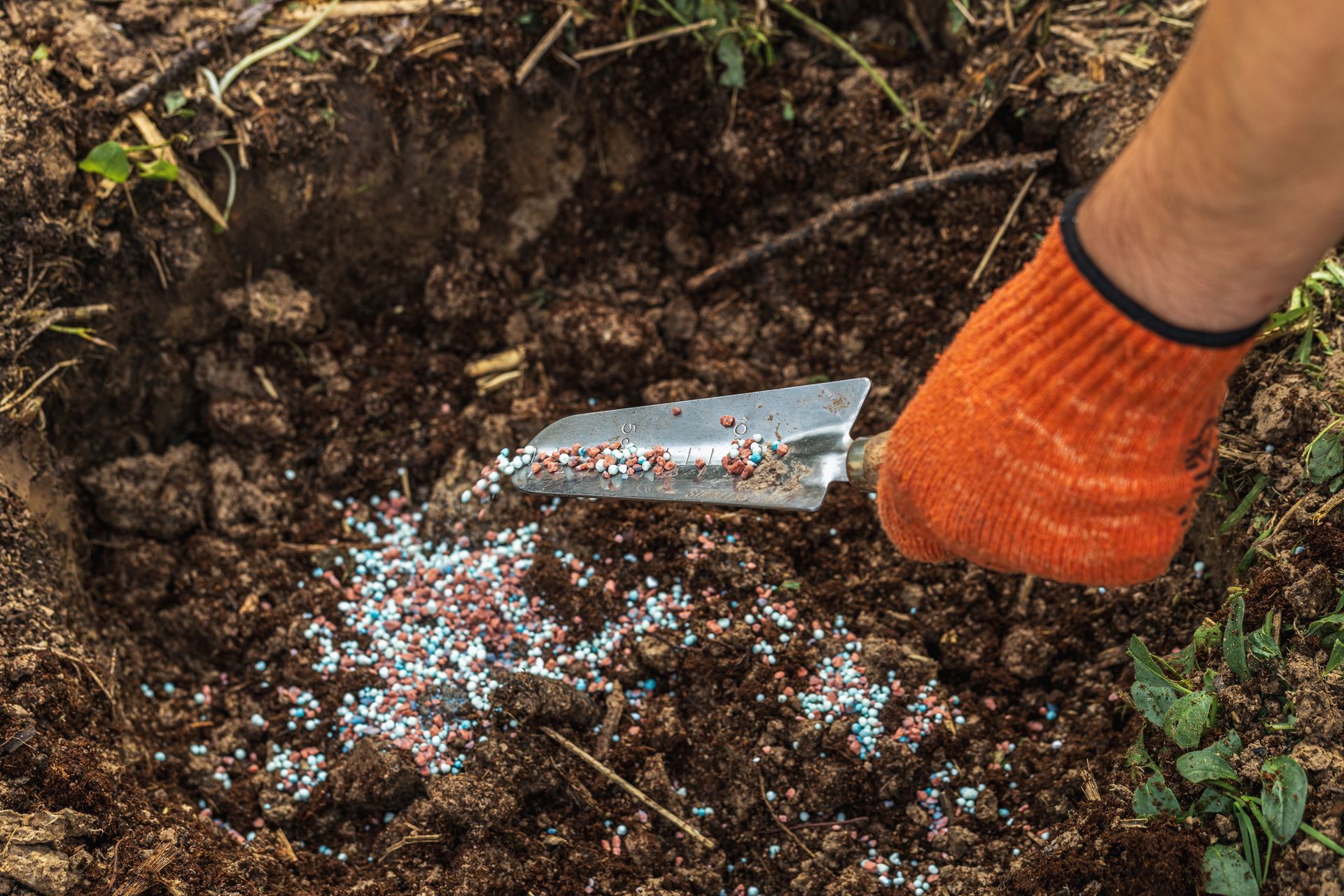
Apply Fertilizer for Maximum Forage Growth
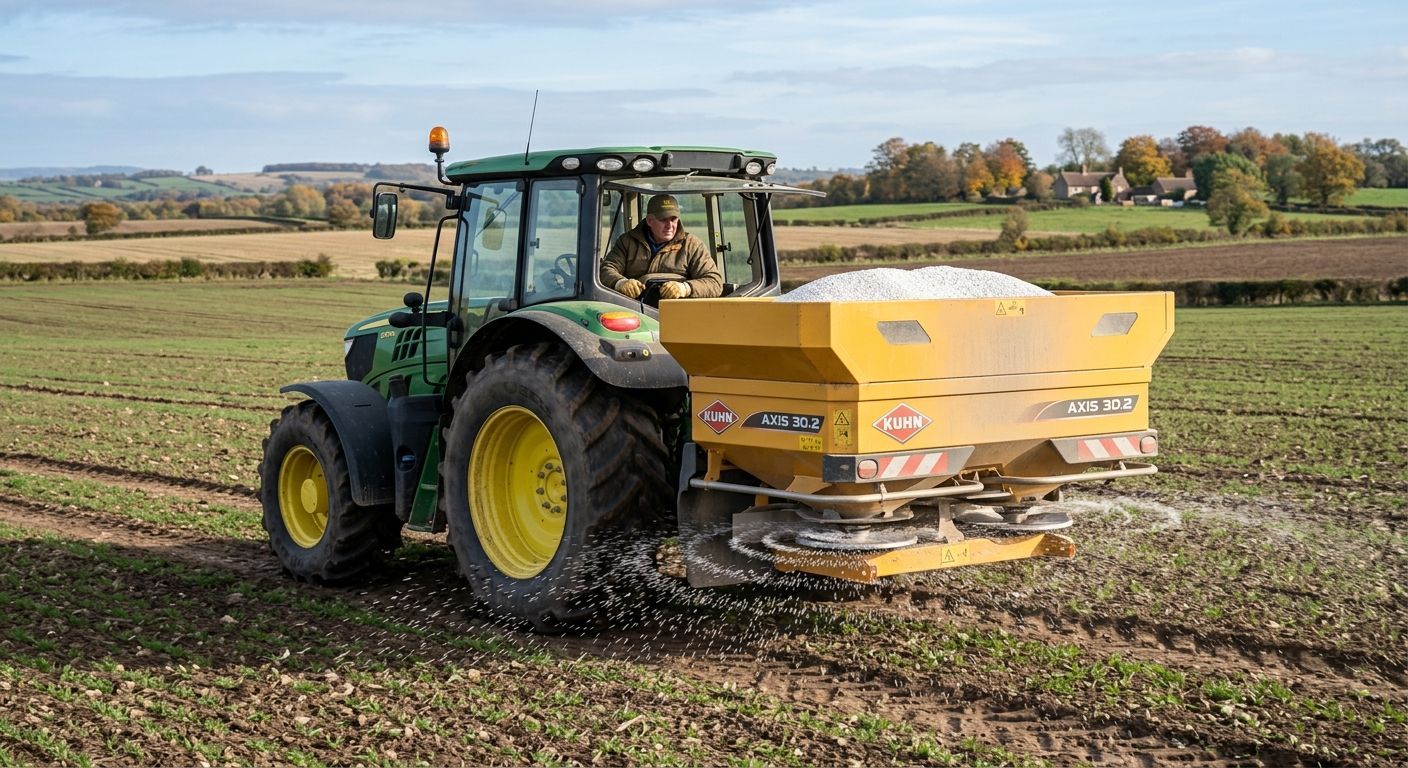
Pastures lose nutrients as cattle graze and plants grow. Without proper fertilization, grass production will eventually decline.
The key nutrients for pasture growth include:
- Nitrogen – promotes rapid grass growth
- Phosphorus – supports root development
- Potassium – improves plant strength and drought resistance
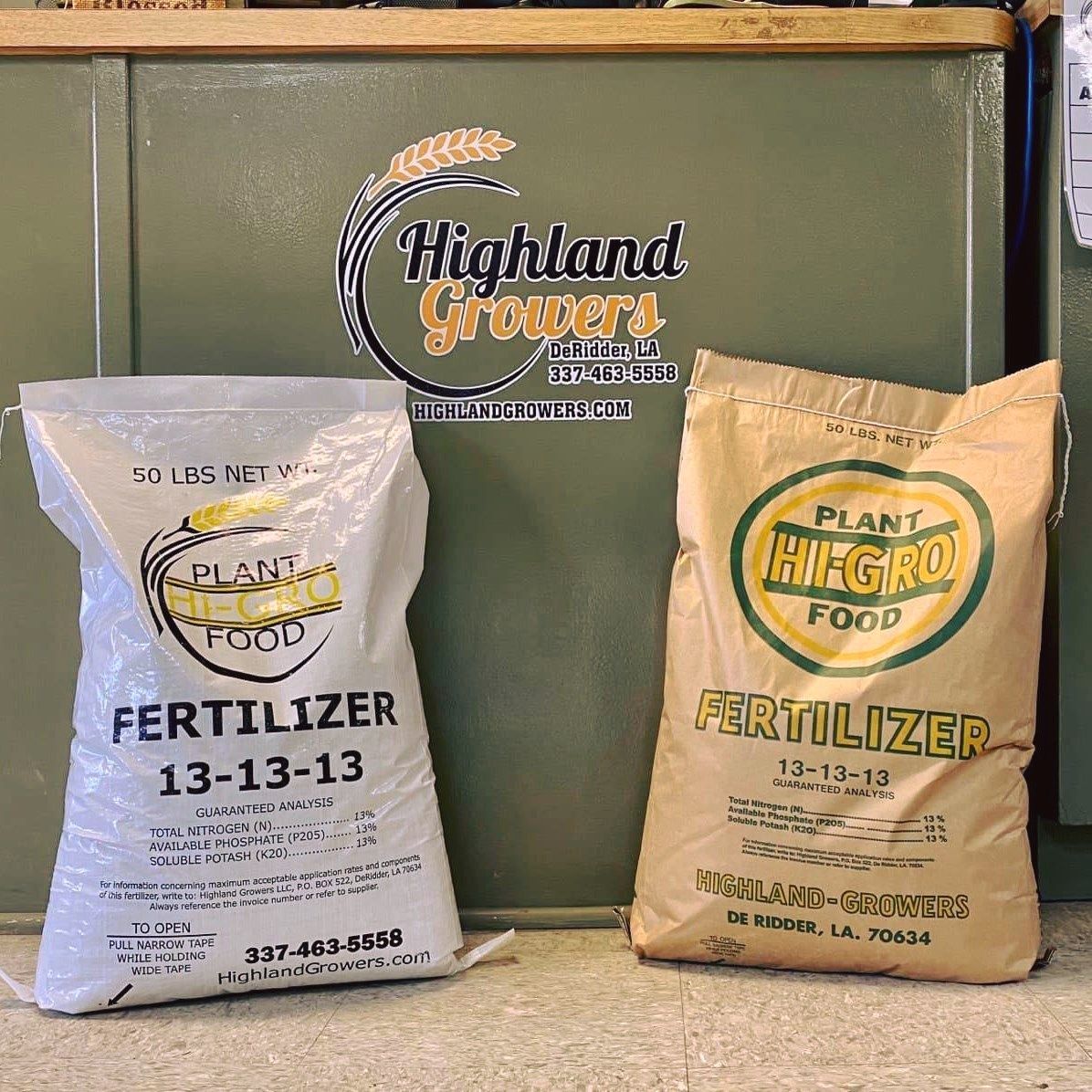
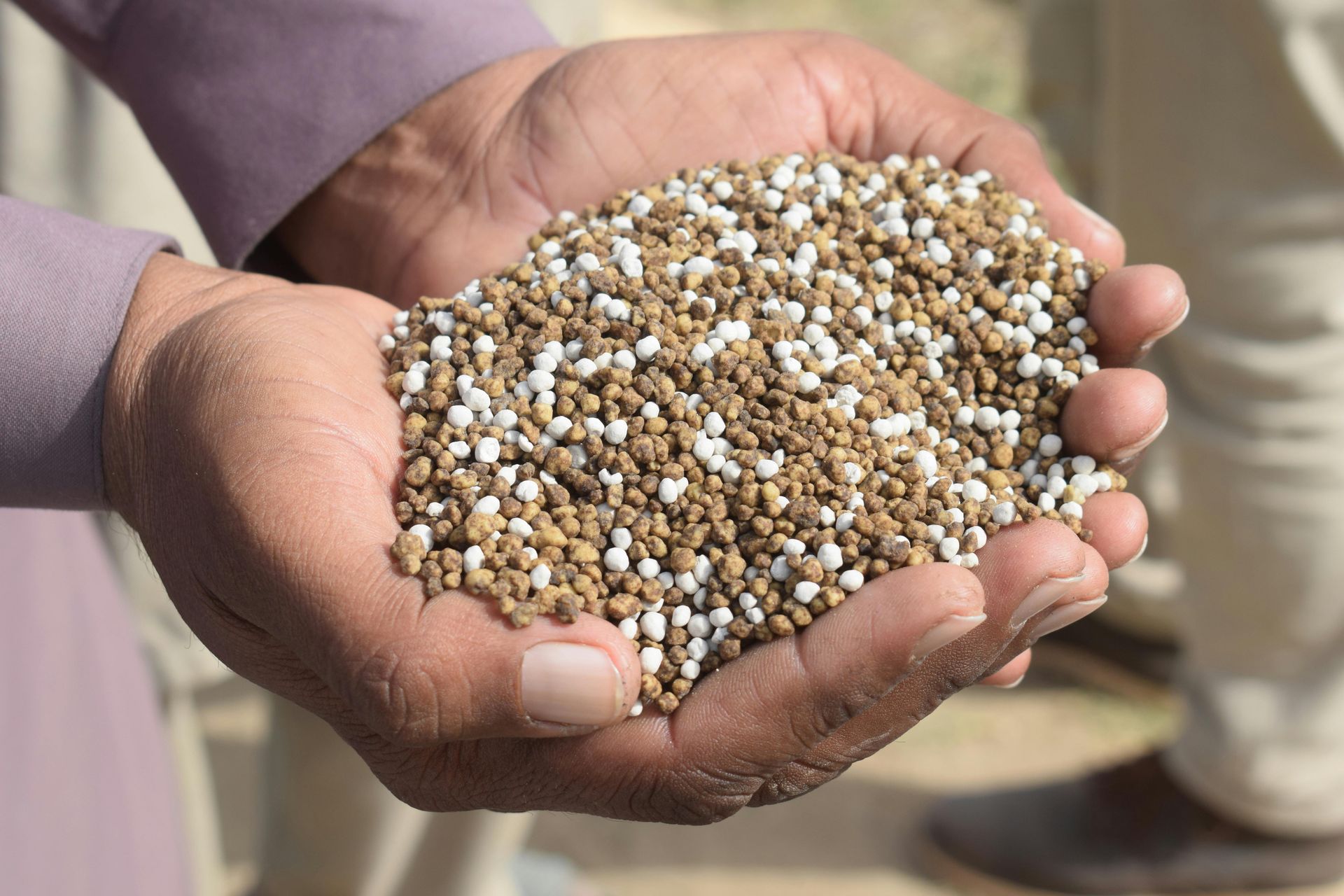
Farmers near DeRidder often rely on custom fertilizer blends tailored to their soil conditions.
Highland Growers provides custom blend fertilizer programs designed specifically for local pastures.
[Custom Fertilizer Solutions – https://www.highlandgrowers.com/]
These custom blends ensure pastures receive the right balance of nutrients without unnecessary waste.
Control Weeds Before They Spread
Weeds compete with forage grasses for nutrients, sunlight, and water.
Common pasture weeds in Louisiana include:
- Thistles
- Ragweed
- Buttercup
- Smutgrass
- Dogfennel
Left untreated, weeds can reduce forage production and lower pasture quality.
Farmers can control weeds through:
- Selective herbicides
- Proper mowing practices
- Maintaining healthy grass stands
- Fertilizing pastures regularly
Highland Growers offers a variety of farm chemicals and herbicides to help farmers control pasture weeds safely and effectively.
Avoid Overgrazing
Overgrazing is one of the most common mistakes cattle farmers make.
When cattle graze plants too short, grass cannot recover properly. This weakens root systems and encourages weed growth.
Signs of overgrazing include:
- Bare soil patches
- Slow grass regrowth
- Increased weeds
- Reduced forage availability
Farmers should remove cattle from a pasture once grass height drops below recommended levels.
Maintaining proper grazing height allows grasses to regrow quickly and remain productive.
Improve Long-Term Soil Health
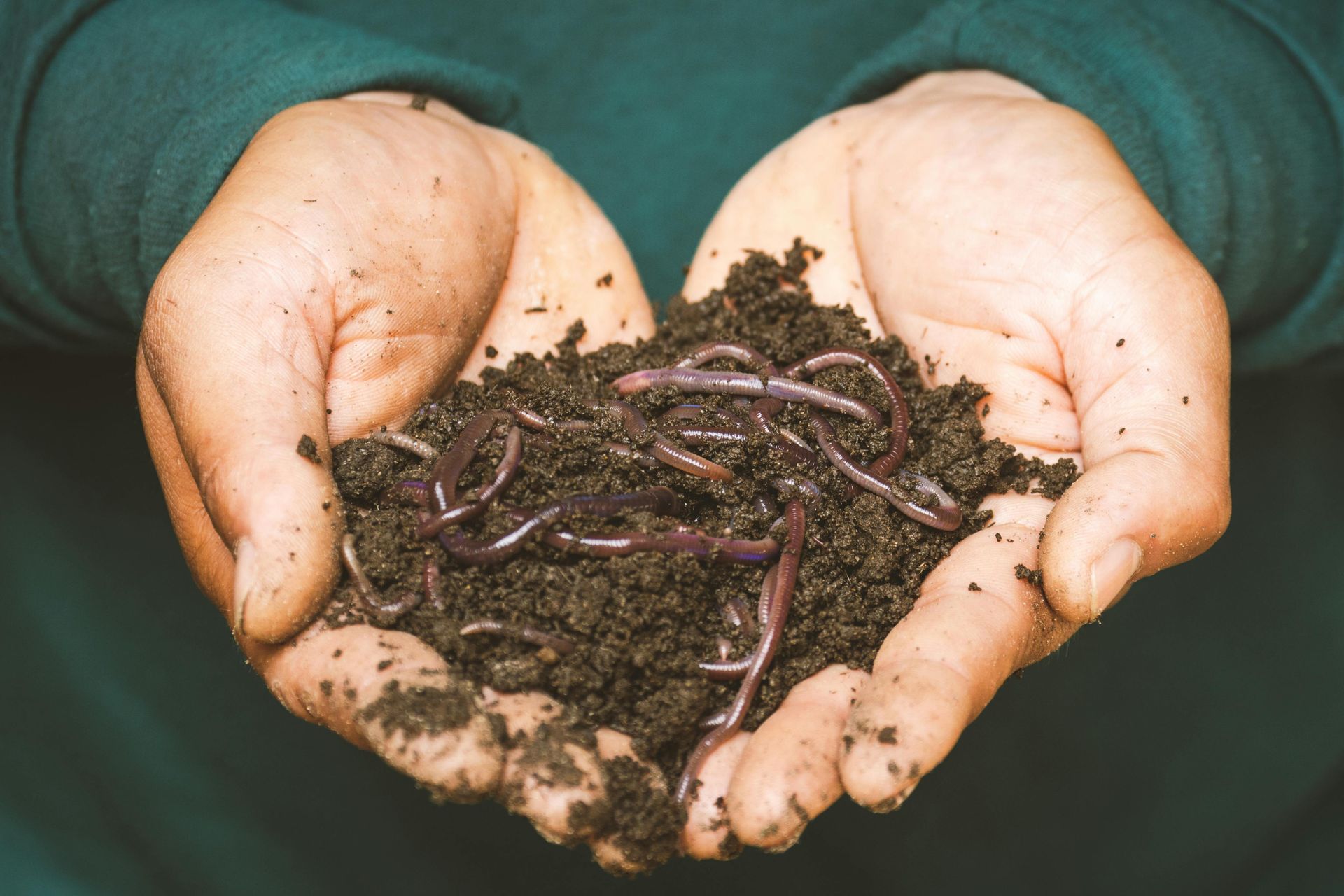
Healthy soil is the foundation of productive pastures.
Farmers can improve soil health by:
- Applying lime to correct soil pH
- Using balanced fertilizer programs
- Rotating grazing areas
- Preventing soil compaction
- Encouraging organic matter buildup
Over time, these practices lead to stronger pasture systems and more consistent forage production.
Seasonal Pasture Management Tips
Pasture management changes throughout the year.
Spring
- Apply fertilizer to encourage early growth
- Overseed ryegrass if needed
- Begin rotational grazing schedules
Summer
- Monitor pasture growth closely
- Apply nitrogen fertilizer if needed
- Control weeds before they spread
Fall
- Prepare pastures for winter grazing
- Apply lime or fertilizer if recommended by soil tests
- Overseed cool-season grasses
Winter
- Manage grazing pressure carefully
- Protect pasture roots from excessive damage
- Plan improvements for the next growing season
Why Local Agricultural Expertise Matters
Pasture management strategies vary depending on local soil types, rainfall patterns, and growing conditions.
Farmers in Beauregard Parish and surrounding communities benefit from working with agricultural suppliers who understand the local environment.
Highland Growers serves farmers across:
- DeRidder
- Leesville
- Merryville
- DeQuincy
- Southwest Louisiana
Their services include:
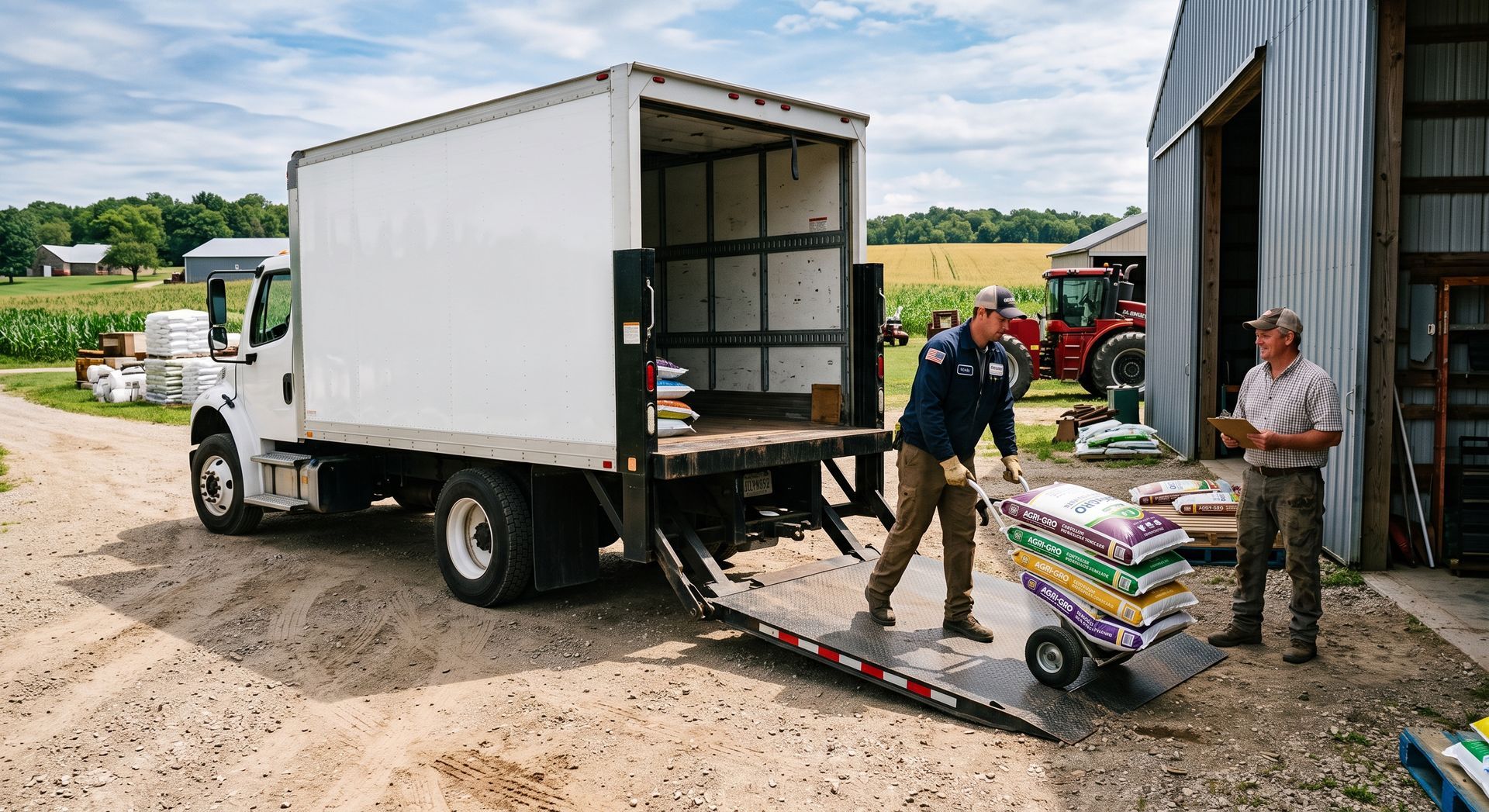
- Custom fertilizer blending
- Soil testing
- Seed supply
- Farm chemicals
- Wildlife food plot supplies
- State-certified truck scale services
By working with a trusted local supplier, farmers gain access to both high-quality agricultural products and practical expertise.
FAQs About Pasture Management
How often should pastures be fertilized?
Most Louisiana pastures benefit from fertilizer applications one to three times per year, depending on soil fertility and grazing intensity.
What is the best grass for Louisiana cattle pastures?
Bermudagrass and Bahia grass are two of the most common pasture grasses because they perform well in Louisiana’s warm climate.
What causes pasture decline?
Pasture decline is often caused by overgrazing, poor soil fertility, weed invasion, or improper pasture management.
How can rotational grazing improve pastures?
Rotational grazing allows grass to recover between grazing periods, which improves root health and increases forage production.
Do I need soil testing for pasture management?
Yes. Soil testing ensures farmers apply the correct nutrients and avoid wasting fertilizer.
Improve Your Pastures with Help from Highland Growers
If you want healthier pastures and better forage production in DeRidder and Southwest Louisiana, Highland Growers can help.
From custom fertilizer blends and soil testing to seed and farm chemicals, their team provides the tools farmers need to maintain productive grazing land.
Contact Highland Growers today to receive expert pasture management recommendations tailored to your farm.