NPK Explained: What Every Louisiana Farmer Should Know

December 18, 2025

Share this article

NPK Explained: What Every Louisiana Farmer Should Know

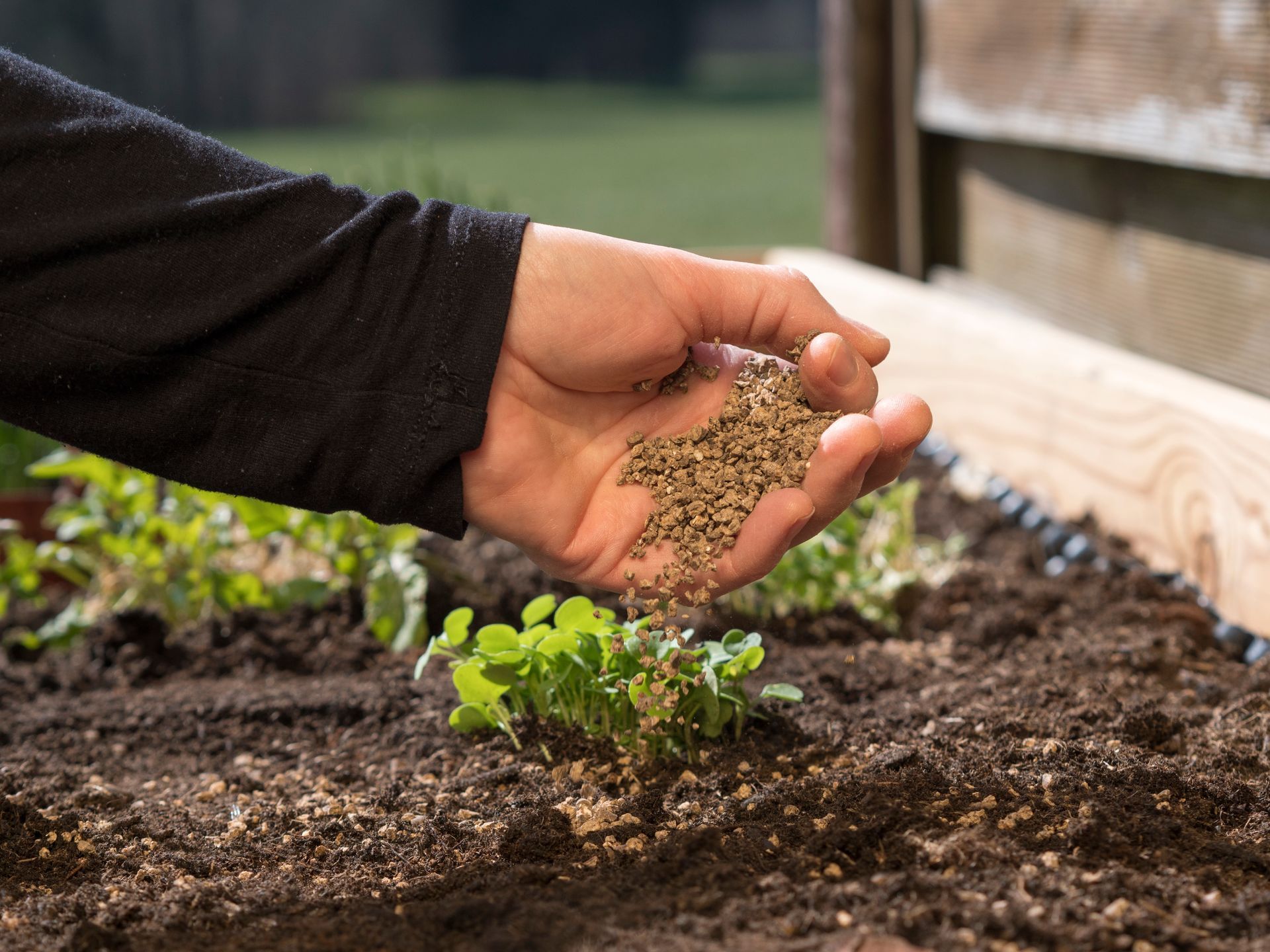
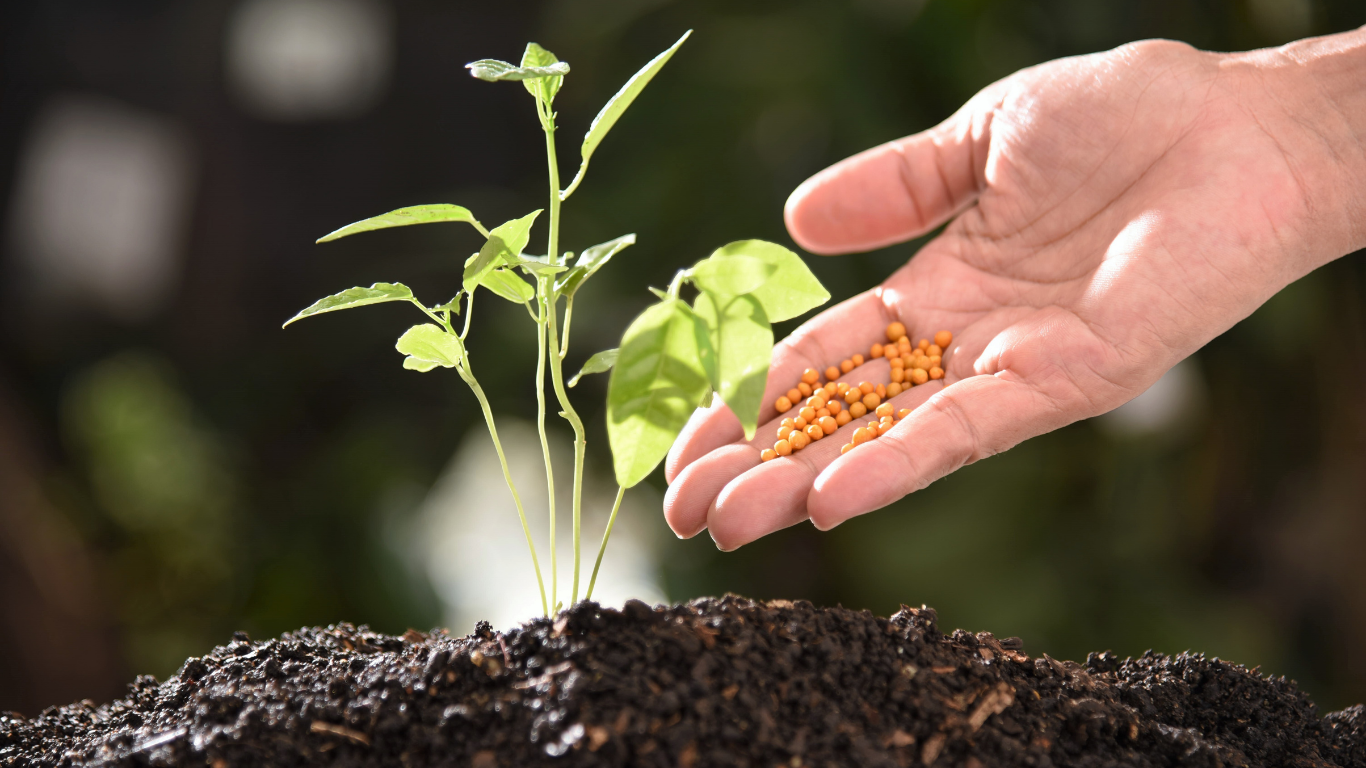
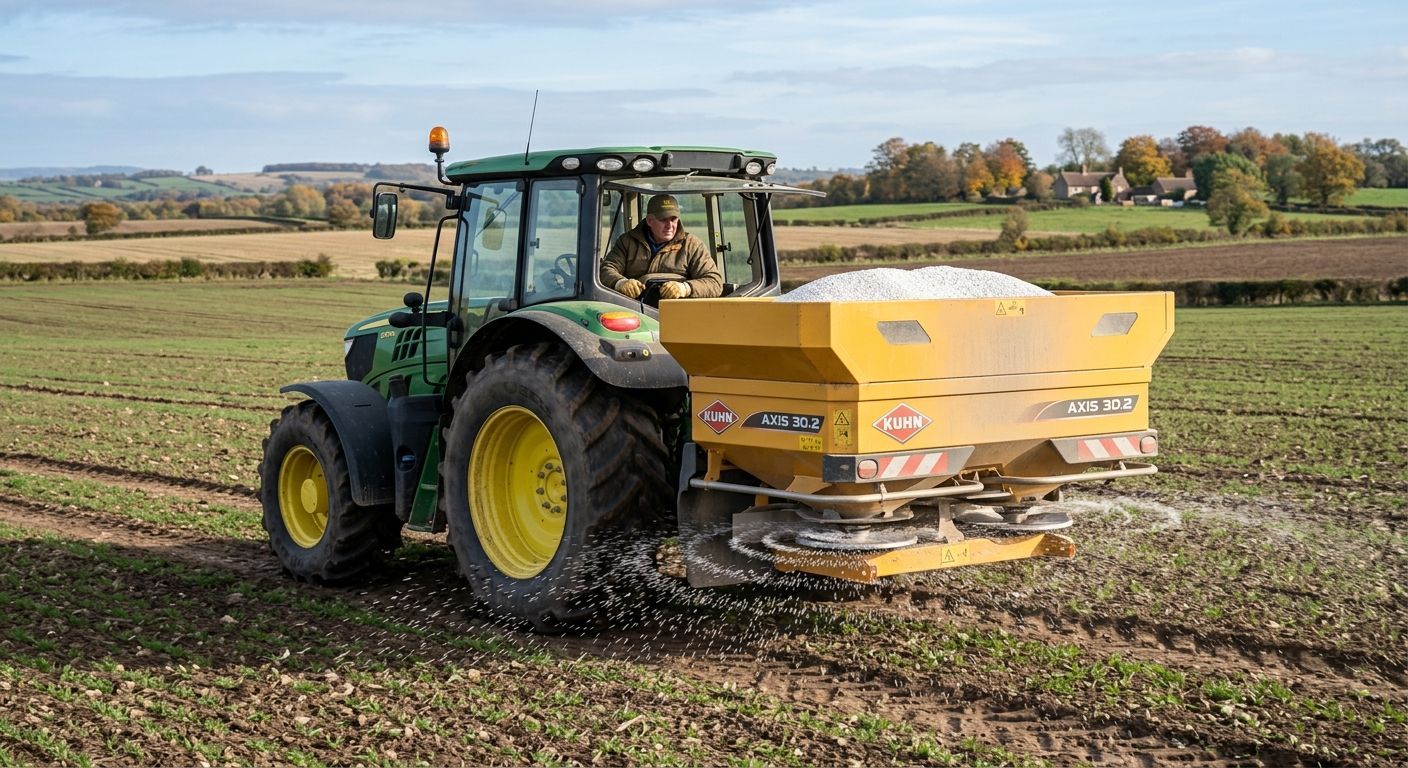
Hand sprinkling orange fertilizer on a small green plant growing in dark soil.

When it comes to growing healthy, productive crops in Louisiana, fertilizer isn’t just about putting nutrients into the ground—it’s about putting the right nutrients in the right place at the right time. At the center of every fertilizer label are three letters: NPK—nitrogen (N), phosphorus (P), and potassium (K).

These three macronutrients are essential to plant growth, and they influence everything from yield potential to disease resistance. But unless you understand what each element does and how it interacts with Louisiana soil conditions, you could be underfeeding or overfeeding your crops.

At Highland Growers LLC in DeRidder, LA, we help farmers, ranchers, and food plot managers get the most out of every application. This guide will walk you through the role of NPK, how to balance it based on your soil, and why custom blends often outperform standard options.

What Does NPK Stand For?

NPK stands for the three primary macronutrients found in most fertilizers:

  • N = Nitrogen

  • P = Phosphorus

  • K = Potassium

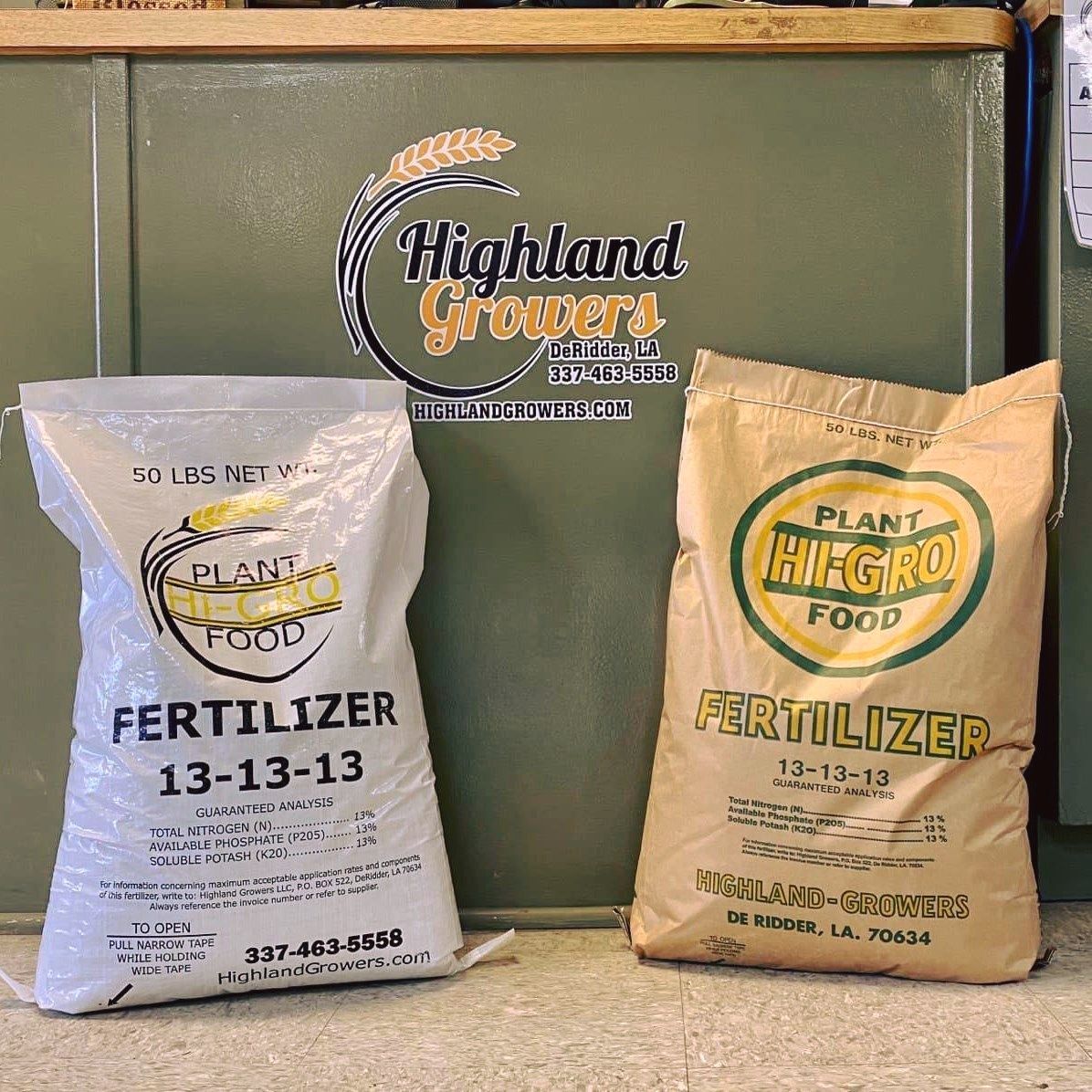
You’ll typically see these listed on fertilizer bags as three numbers, such as 13-13-13 or 10-20-10. These numbers represent the percentage by weight of each nutrient in the mix.

For example:

  • A 100 lb. bag of 13-13-13 contains 13 lbs. each of nitrogen, phosphorus (as P₂O₅), and potassium (as K₂O).

Understanding what each of these elements does helps you match your fertilizer to your crop goals and soil test results.

Nitrogen (N): The Growth Driver

What It Does:

  • Fuels leaf and stem growth

  • Supports chlorophyll production (green color)

  • Drives overall plant vigor and yield potential

Nitrogen Deficiency Signs:

  • Pale green or yellow leaves

  • Poor vegetative growth

  • Stunted plants

Louisiana Application Notes:

  • Sandy soils leach nitrogen quickly, requiring split applications

  • Excess nitrogen can cause lush foliage but weak root systems

  • Too much nitrogen in food plots can result in low forage quality or unpalatable crops

Best Uses:

  • Corn, small grains, forage grasses, and leafy vegetables

Phosphorus (P): The Root and Reproductive Booster

What It Does:

  • Promotes strong root development

  • Essential for flowering, fruiting, and seed formation

  • Supports early plant establishment

Phosphorus Deficiency Signs:

  • Purple or reddish leaf coloration

  • Weak root systems

  • Delayed maturity or poor fruit/seed production

Louisiana Application Notes:

  • Many Louisiana soils are naturally low in phosphorus

  • Phosphorus becomes less available in acidic soils (pH below 6.0)

  • Apply phosphorus early in the season for best uptake

Best Uses:

  • Food plots, row crops like soybeans or cotton, root vegetables, pasture establishment

Potassium (K): The Plant Health Manager

What It Does:

  • Regulates water uptake and drought tolerance

  • Improves disease resistance and overall plant resilience

  • Supports stalk strength and quality in forage crops

Potassium Deficiency Signs:

  • Yellow or scorched leaf edges (especially older leaves)

  • Weak stalks prone to lodging

  • Poor resistance to disease and drought stress

Louisiana Application Notes:

  • High rainfall can leach potassium in light soils

  • Hay and forage fields often have high potassium demand due to repeated cutting

  • Overlooked in many blends but crucial for long-term productivity

Best Uses:

Hayfields, corn, tomatoes, potatoes, cotton, turfgrass

How to Read a Fertilizer Label

Let’s say you’re looking at a bag labeled 10-20-10.

This means:

  • 10% Nitrogen

  • 20% Phosphorus

  • 10% Potassium

If the bag weighs 50 lbs:

  • 5 lbs Nitrogen

  • 10 lbs Phosphorus

  • 5 lbs Potassium

The remaining weight is filler material that helps with spreading and consistency.

Important: These percentages reflect nutrient content, not application rates. Your application should still be based on your soil test results and crop needs.

[Need a soil test? Schedule one here –https://www.highlandgrowers.com/soil-testing]

Common NPK Ratios and When to Use Them

The body content of your post goes here. To edit this text, click on it and delete this default text and start typing your own or paste your own from a different source.

Fertilizer Blend Best For
13-13-13 General purpose, balanced NPK needs
10-20-10 Promoting root growth in early stages
17-17-17 Fast-growing hay and forage crops
0-20-20 When nitrogen is not needed, but P and K are
46-0-0 (Urea) Heavy nitrogen-only applications
6-24-24 Starter blends for low-P/K soils

Why One-Size-Fits-All NPK Doesn’t Always Work

Generic blends like 13-13-13 are easy to use, but they assume your soil needs equal parts of each nutrient—which is rarely the case.

For example:

  • If your soil already has high phosphorus but is low in potassium, 13-13-13 overapplies one and underdelivers the other.

  • Excess phosphorus can bind up micronutrients like zinc or iron.

  • Misapplying nitrogen can burn crops or reduce forage palatability.

A better approach? Use a custom NPK blend based on your actual soil nutrient profile.

[Custom Fertilizer Blending – https://www.highlandgrowers.com/custom-blend-fertilizer]

How Louisiana Soil Affects NPK Performance

Our region’s unique soil conditions influence how well NPK fertilizers perform.

Acidic Soils (pH < 6.0):

  • Common in pine forests, older pastures, and sandy areas

  • Limit phosphorus availability

  • Can reduce nitrogen efficiency

  • Require lime application to correct pH before fertilization

Sandy Loam Soils:

  • Common in Beauregard Parish

  • Drain quickly, leading to nutrient leaching

  • Require more frequent, smaller applications of nitrogen and potassium

Clay Soils:

  • Prone to compaction and slow drainage

  • Can lock up potassium and micronutrients

  • Benefit from soil conditioners and aeration before fertilization

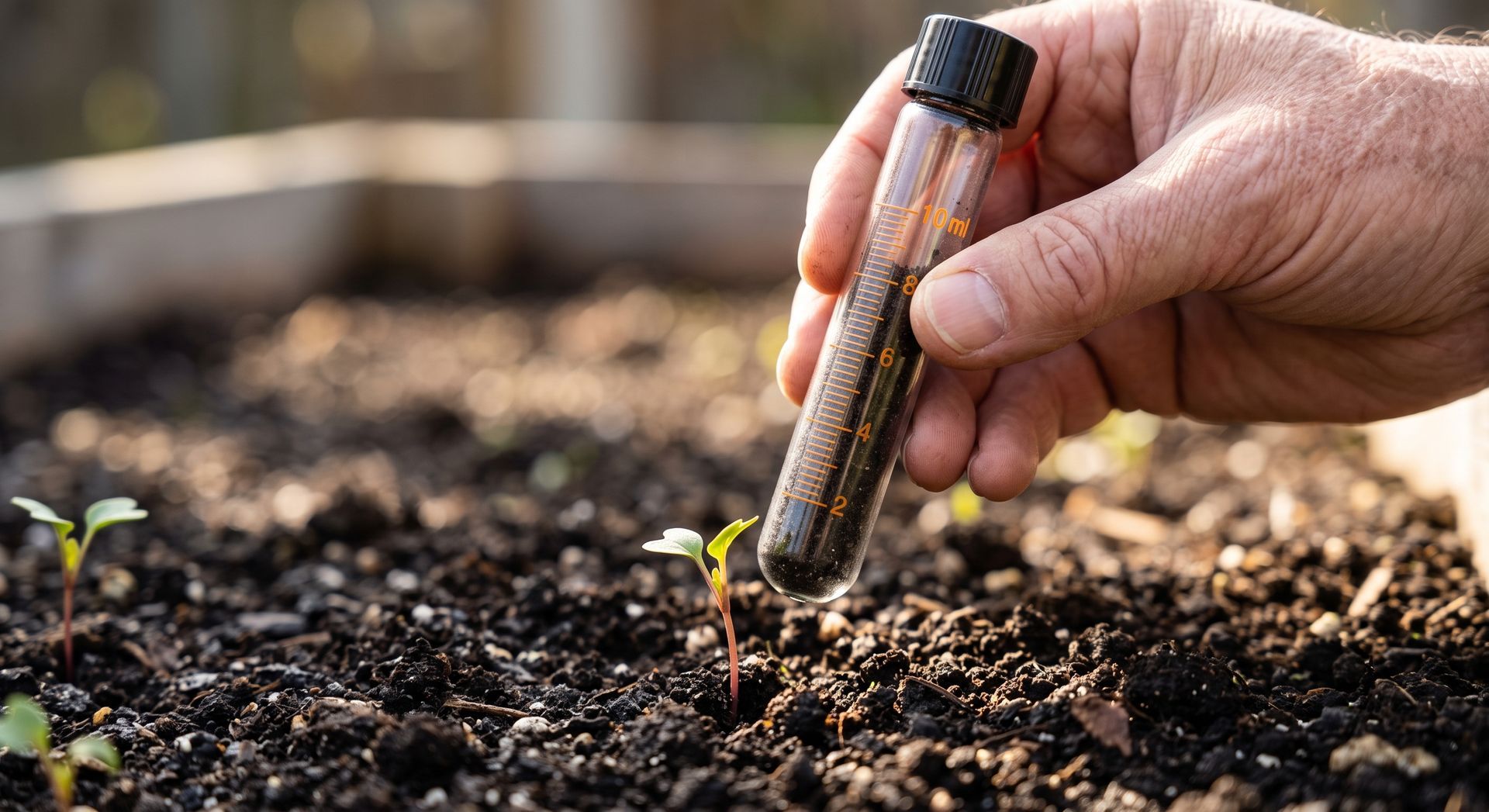
This is why we always recommend testing before applying. Knowing your soil’s nutrient levels and pH can save you time, money, and yield.

Micronutrients: The Missing Piece in Your Fertilizer Strategy

NPK is essential—but it’s not everything. Crops also need small amounts of micronutrients to function properly:

  • Zinc – Vital for enzyme function and protein synthesis

  • Iron – Needed for chlorophyll and leaf development

  • Manganese – Important for photosynthesis

  • Sulfur – Aids in nitrogen utilization and amino acid production

  • Boron – Required for cell wall formation and pollination

Many soils in Louisiana are low in sulfur, zinc, or boron—especially after years of repeated cropping or hay cutting.

We offer custom fertilizer blends that include these micronutrients, tailored to your specific test results and crop goals.

Frequently Asked Questions (FAQs)

Do all crops need the same NPK ratio?

No. Different crops have different nutrient demands. For example, corn needs high nitrogen, while root vegetables need more phosphorus and potassium.

Is more fertilizer always better?

No. Overapplication can damage plants, waste money, and harm the environment. Always apply based on your soil’s needs.

What if I only need nitrogen?

You can apply single-nutrient fertilizers like urea (46-0-0) or ammonium sulfate. We can also blend custom ratios with just N or N + S.

Can I use the same fertilizer every year?

Not ideally. Soil nutrient levels change over time, and repeating the same blend can create nutrient imbalances. Rotate based on soil test data.

Make Your NPK Work Smarter with Highland Growers

Understanding NPK is the first step toward better fertilization—but real success comes from applying that knowledge in the field. At Highland Growers, we help Louisiana growers:

  • Interpret their soil test results

  • Choose or custom-blend the right NPK ratios

  • Add micronutrients and conditioners as needed

  • Apply fertilizer at the right time, in the right way

Whether you’re fertilizing row crops, hay, pastures, or wildlife plots, we have the products and expertise to help you grow better.

Visit https://www.highlandgrowers.com/ or stop by our DeRidder store to get started with a smarter NPK solution. Serving Beauregard Parish and beyond.

Recent Posts

Person in gloves harvesting carrots from a garden.
January 2, 2026
Planting a wildlife food plot this fall? Get expert tips on seed, soil, and fertilizer prep from Highland Growers in DeRidder, LA. Boost game activity and nutrition.

Hand holding dark sand.
December 4, 2025
Not seeing results from your fertilizer plan? Here are 7 signs your field needs a new strategy. Trusted advice from Highland Growers in DeRidder, LA.
Hands in yellow gloves holding fertilizer granules over a bag on a green lawn.
November 24, 2025
Learn which farm chemicals are allowed in Louisiana. Highland Growers in DeRidder offers safe, legal, and effective solutions for farmers and landowners.
Person using a green-handled trowel to scoop soil from a blue bucket.
November 18, 2025
Improve yields and reduce waste with custom blend fertilizer from Highland Growers in DeRidder, LA. Precision nutrient solutions tailored to your farm.

Hands holding black sand in a heart shape against a dark, sandy background.
November 3, 2025
Improve crop yields in Beauregard Parish with professional soil testing. Highland Growers in DeRidder, LA offers soil tests and nutrient recommendations. Call now.
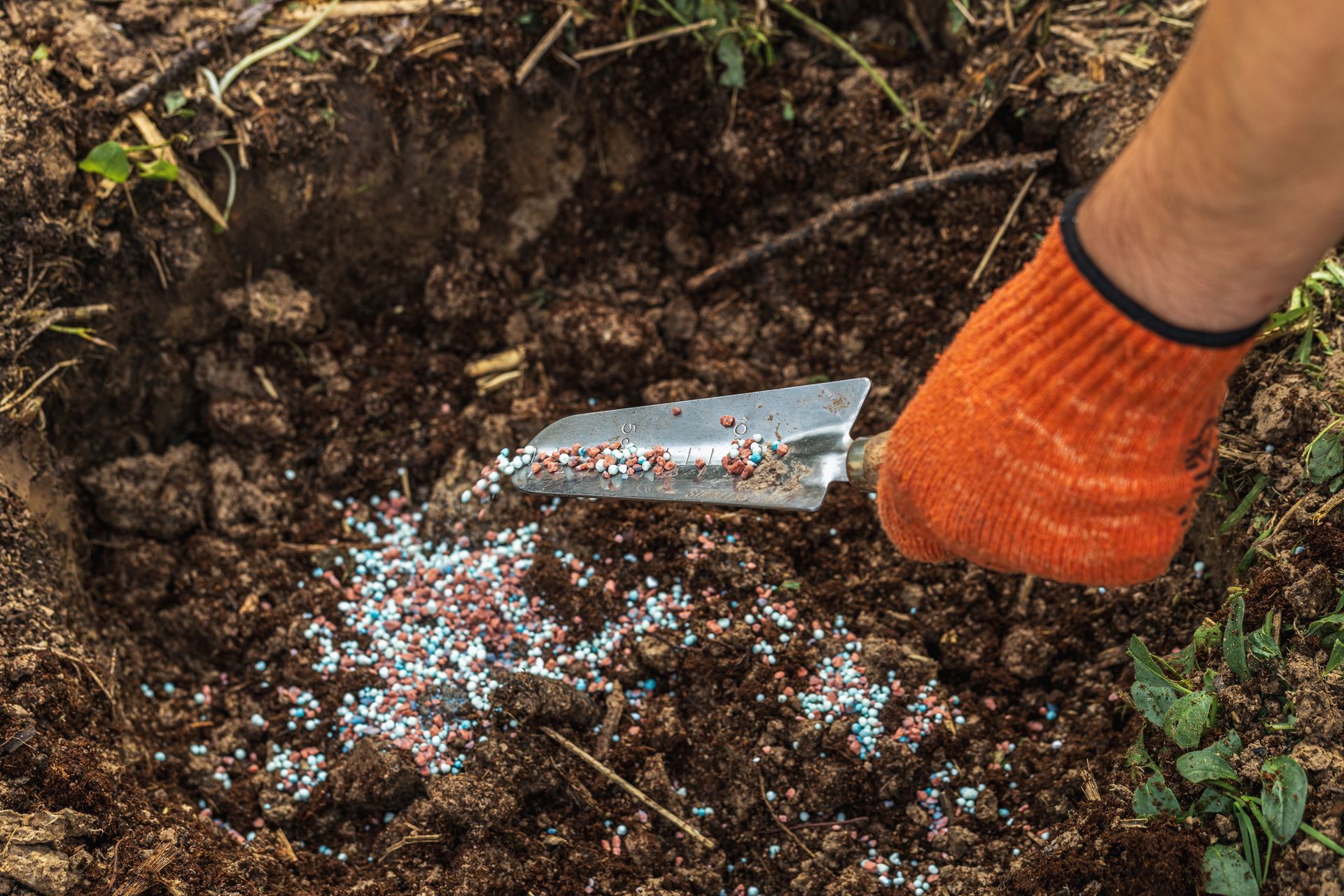
Person in orange glove spreading granular fertilizer in garden with trowel.
October 29, 2025
Want to attract more deer and game in Louisiana? Learn how to start a wildlife food plot with soil testing, seed selection, and timing tips from Highland Growers.
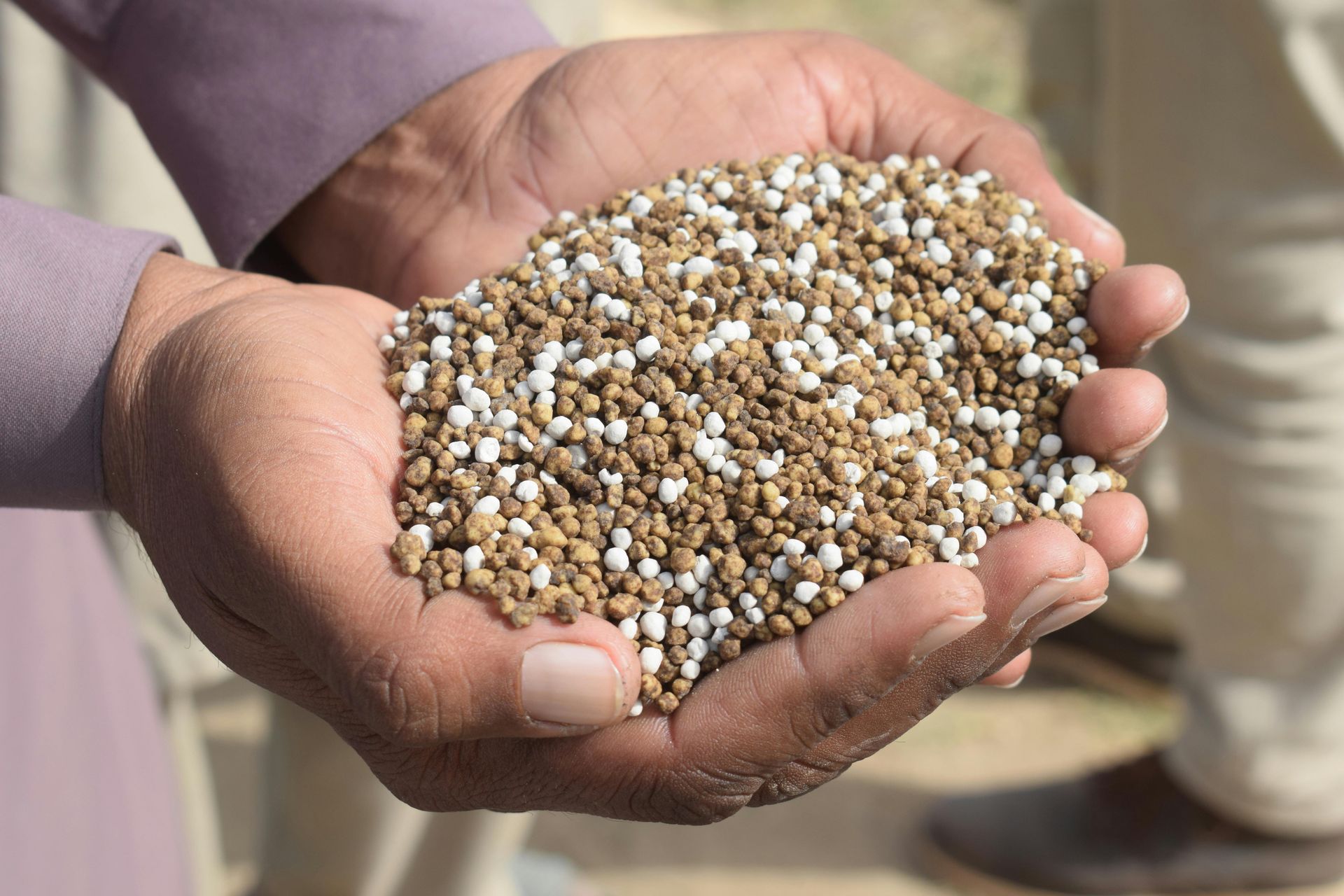
Hands holding a pile of brown and white granular fertilizer.
October 24, 2025
Find the best fertilizers for Louisiana soil. Get expert advice and custom blend recommendations from Highland Growers in DeRidder. Call today to learn more!