A Simple Fertilizer Buying Guide for New Farmers

February 4, 2026

Share this article

A Simple Fertilizer Buying Guide for New Farmers

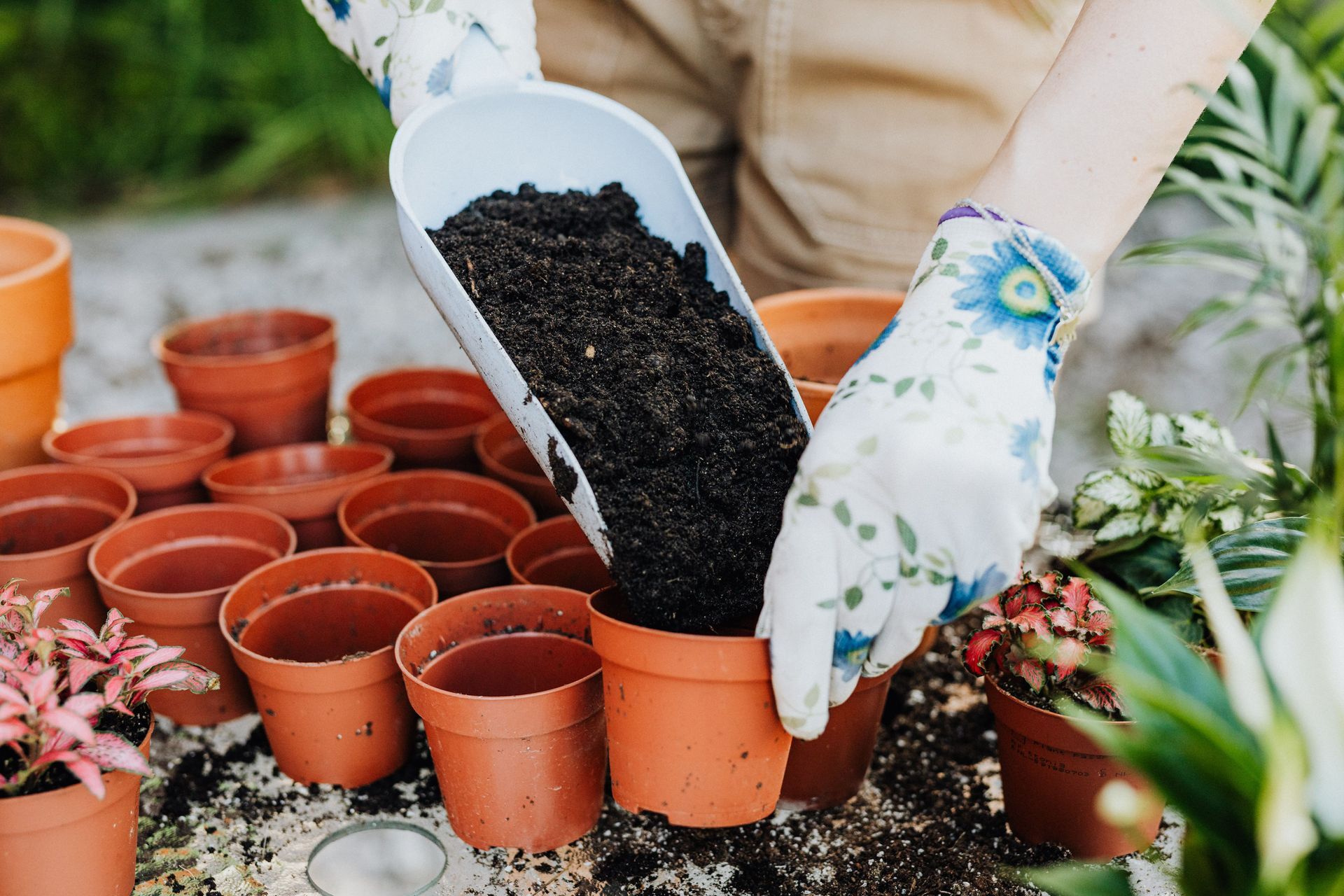
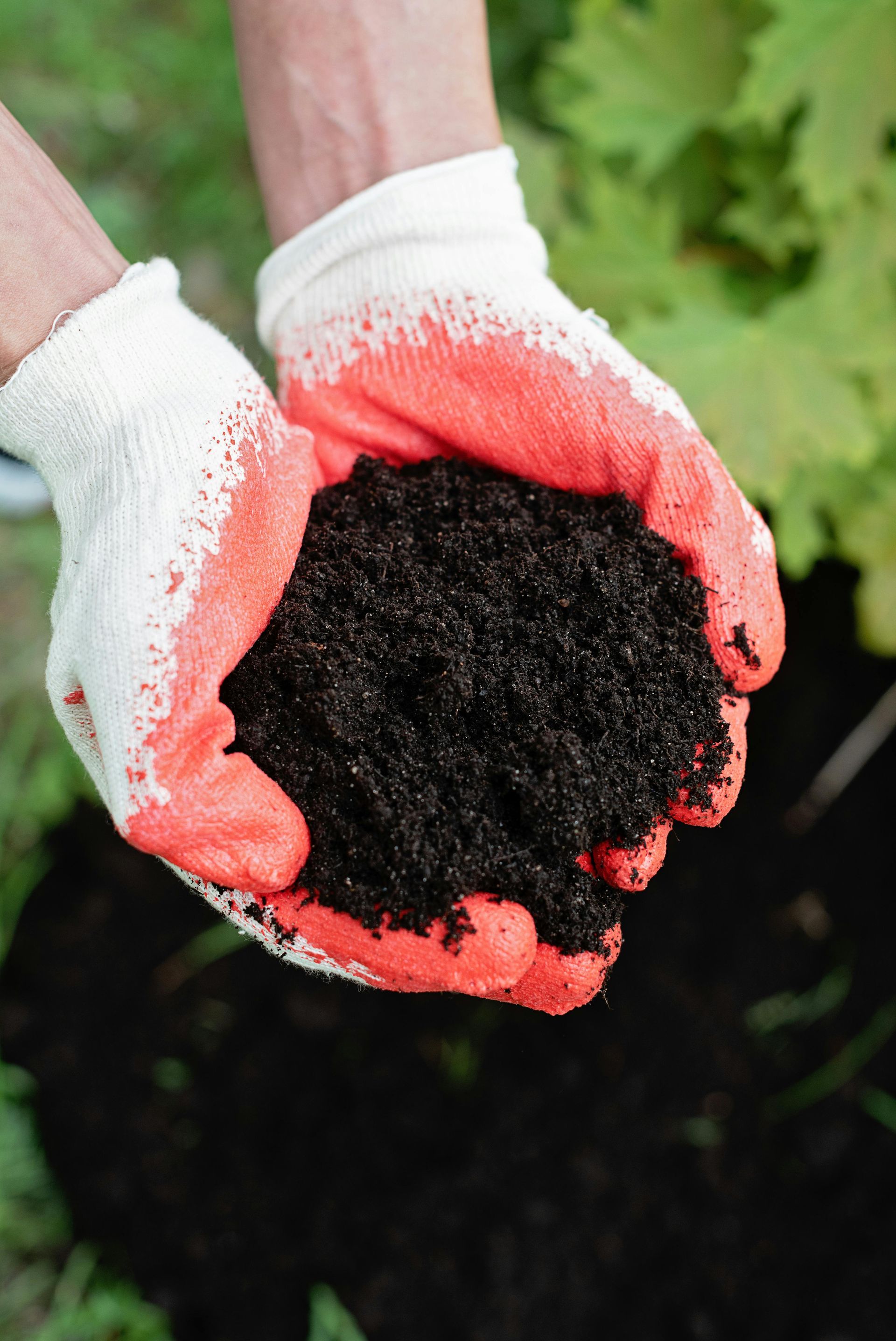
Hands in orange-trimmed gloves hold a mound of dark, rich soil, likely compost, outdoors.

Starting a farm—or managing your first field—comes with a long list of decisions. One of the most important is choosing the right fertilizer. Whether you're growing hay, planting pasture, managing a garden, or establishing a food plot, understanding how fertilizer works and how to buy it wisely is essential to your long-term success.


At Highland Growers LLC in DeRidder, LA, we work with new farmers every season, helping them understand fertilizer options, soil health, and crop needs. This simple guide is designed to help you buy fertilizer with confidence—without wasting money or hurting your soil.


Why Fertilizer Matters

Fertilizer provides the essential nutrients that plants need to grow strong, healthy, and productive. Without proper fertility, crops can become:

  • Stunted

  • Pale or discolored

  • More vulnerable to pests and disease

  • Poor yield or forage quality

Most Louisiana soils—especially in Beauregard Parish—have low natural fertility or acidic pH, which can block nutrient uptake. That’s why even experienced farmers rely on soil testing and planned fertilizer use to maintain productivity.


What Fertilizer Is (and What It’s Not)

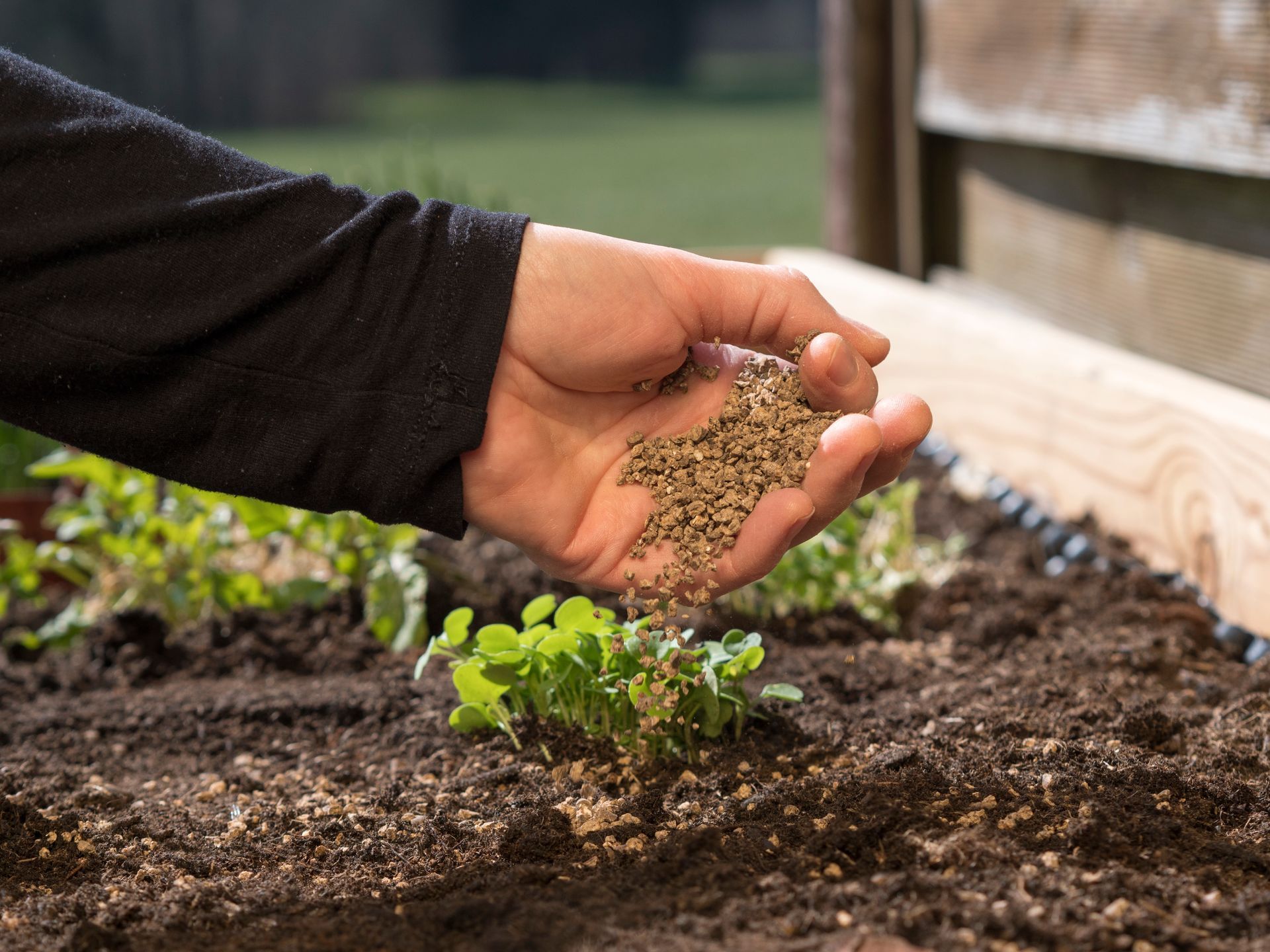
Fertilizer is not a “quick fix” or magic bullet. It's a tool that supplements the nutrients your soil can’t supply on its own. Fertilizer works best when:

  • It’s applied based on soil needs

  • It’s timed to match crop growth stages

  • The correct ratio of nutrients is used

  • It's combined with other good farming practices (weed control, planting density, etc.)

There are three main nutrients in most fertilizers—called macronutrients—plus secondary and micronutrients that are also important.


Understanding NPK: The Fertilizer Numbers

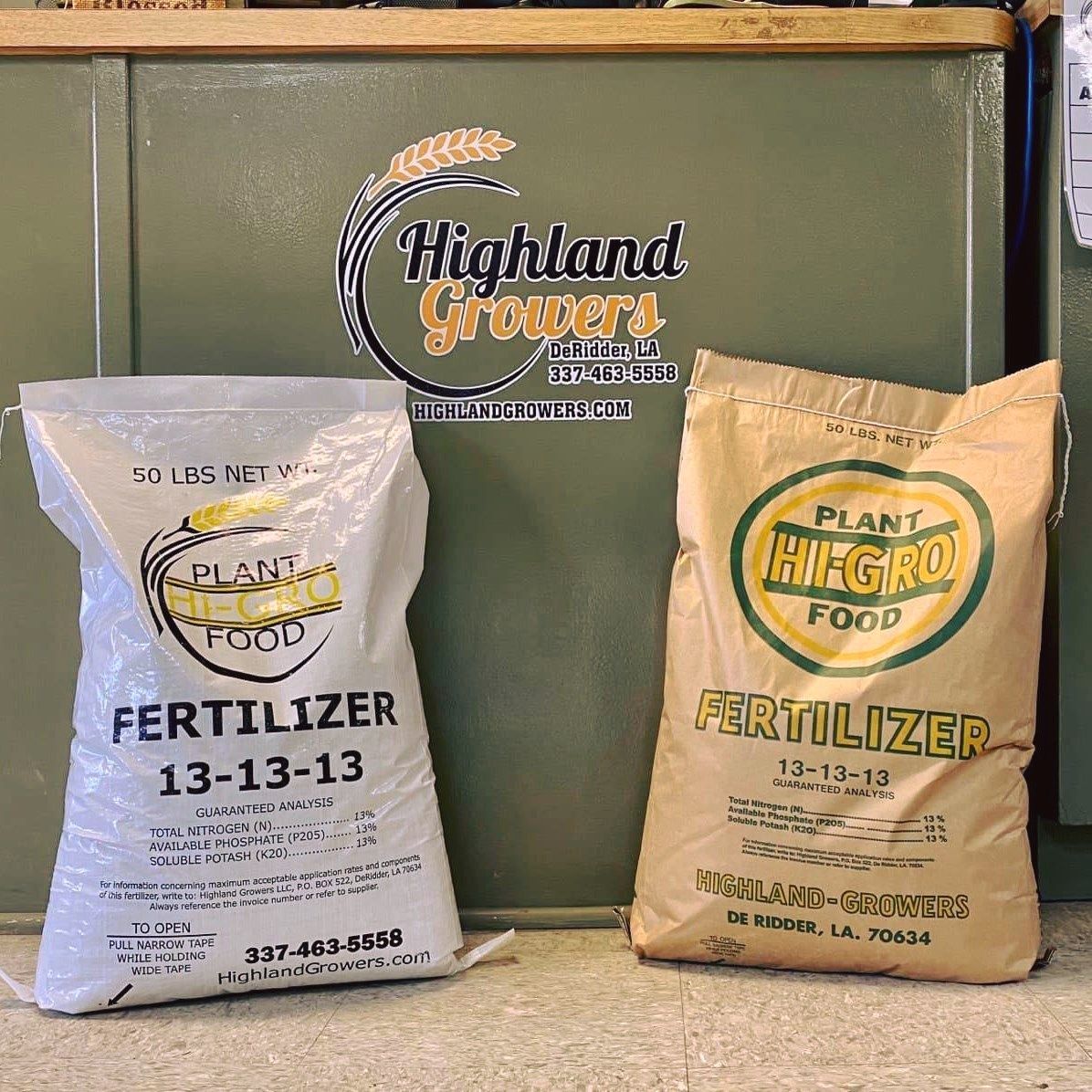
You’ll see fertilizer labeled with three numbers like 13-13-13 or 10-20-10. These numbers stand for:

  • N = Nitrogen – For leafy growth and green color

  • P = Phosphorus – For root development and flower/seed production

  • K = Potassium – For disease resistance and drought tolerance

Example: A bag labeled 10-20-10 contains:

  • 10% Nitrogen

  • 20% Phosphorus

  • 10% Potassium

The remaining 60% is filler or carrier to help with spreading.


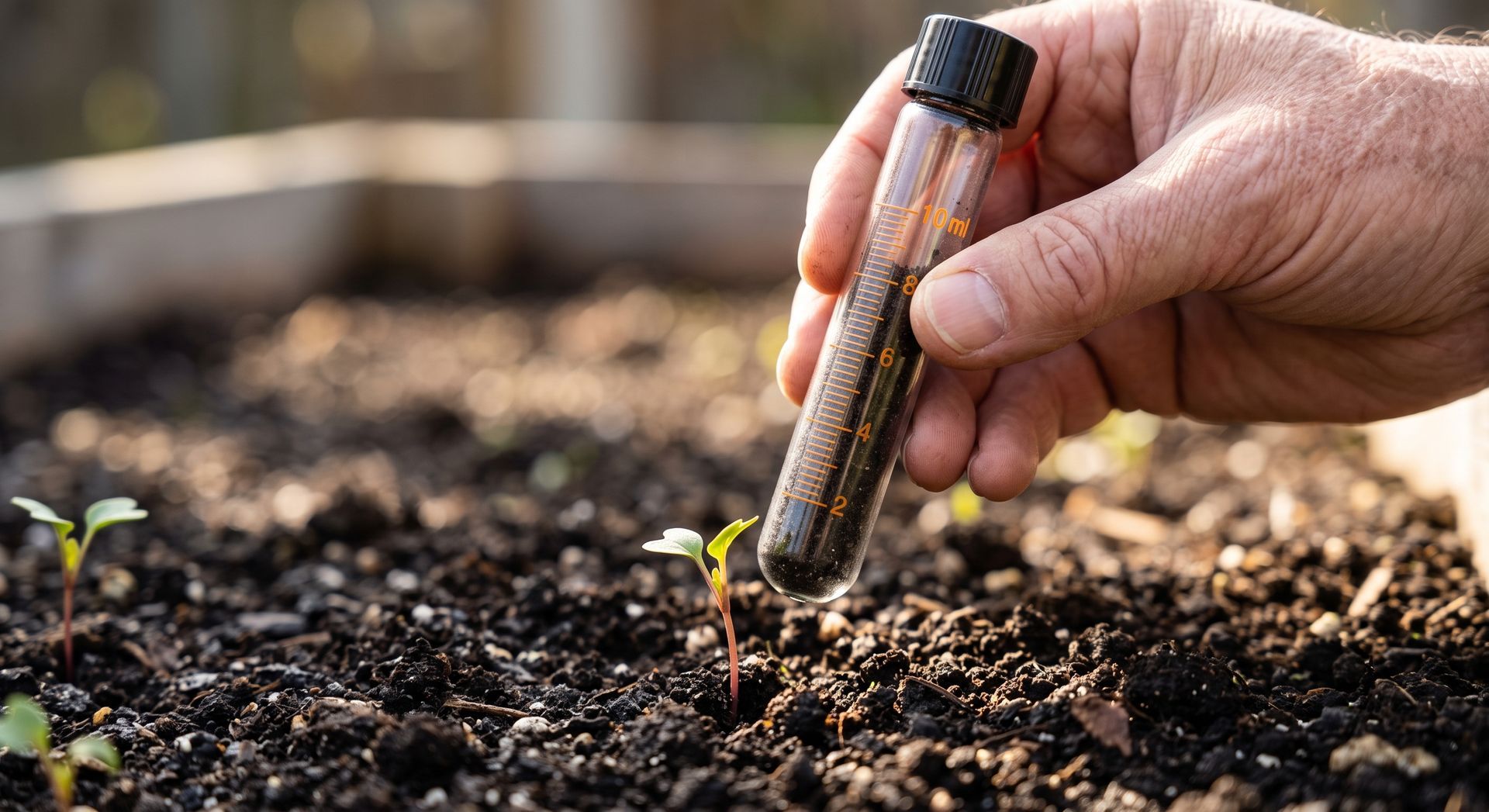
Step 1: Get a Soil Test Before You Buy

The most important step before buying fertilizer is to test your soil. Guessing at what your soil needs can lead to:

  • Wasted money

  • Over-application

  • Poor crop performance

  • Environmental runoff

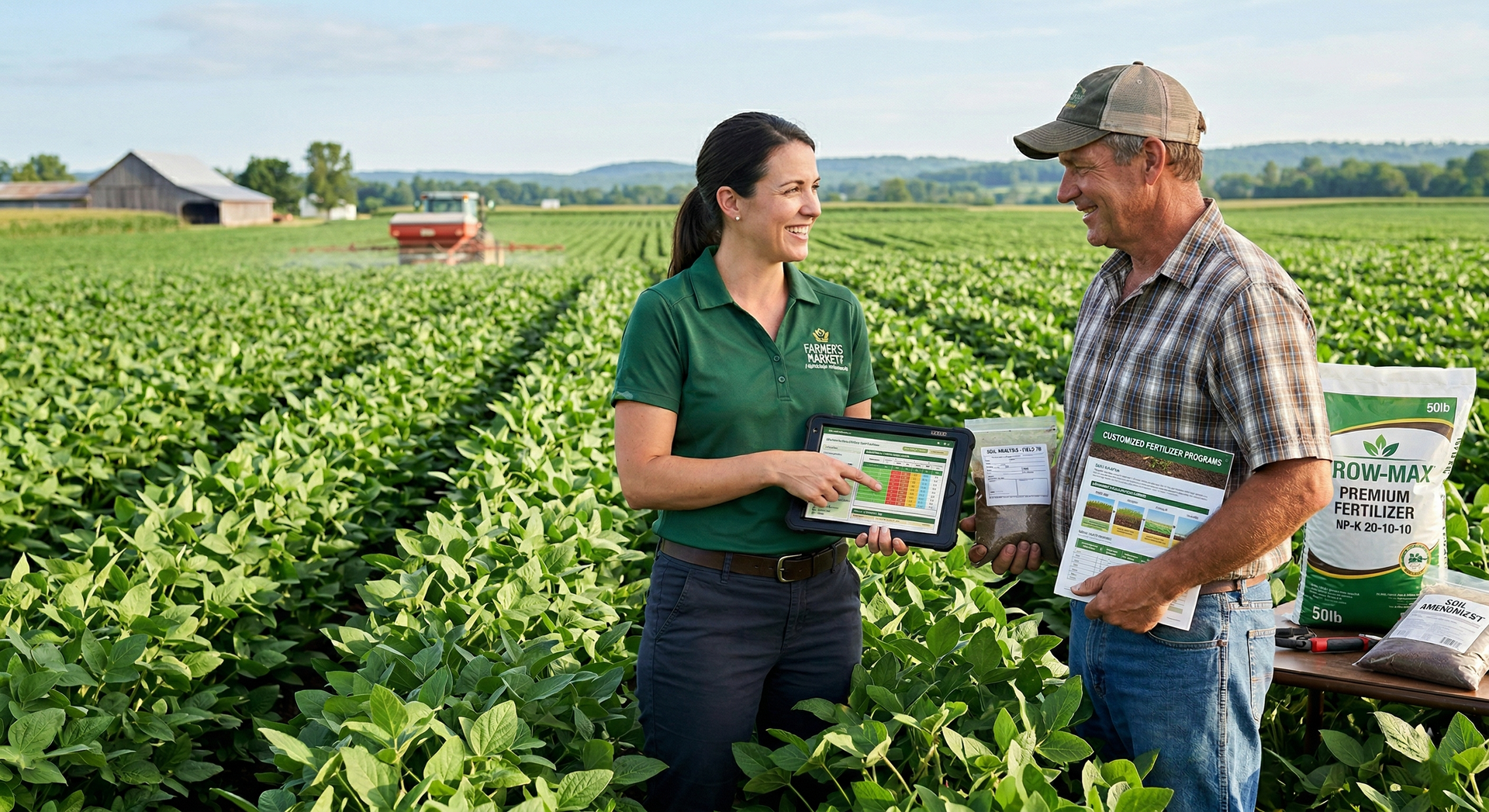
At Highland Growers, we provide quick, accurate soil testing with recommendations specific to your property and crop goals.


Soil Test Reveals:

  • pH level (acidic or alkaline)

  • Nutrient levels (N, P, K, and others)

  • Organic matter content

  • Lime needs to adjust soil pH


Step 2: Know Your Crop and Season

Different crops need different nutrients—and at different times.


Common Crop Needs:

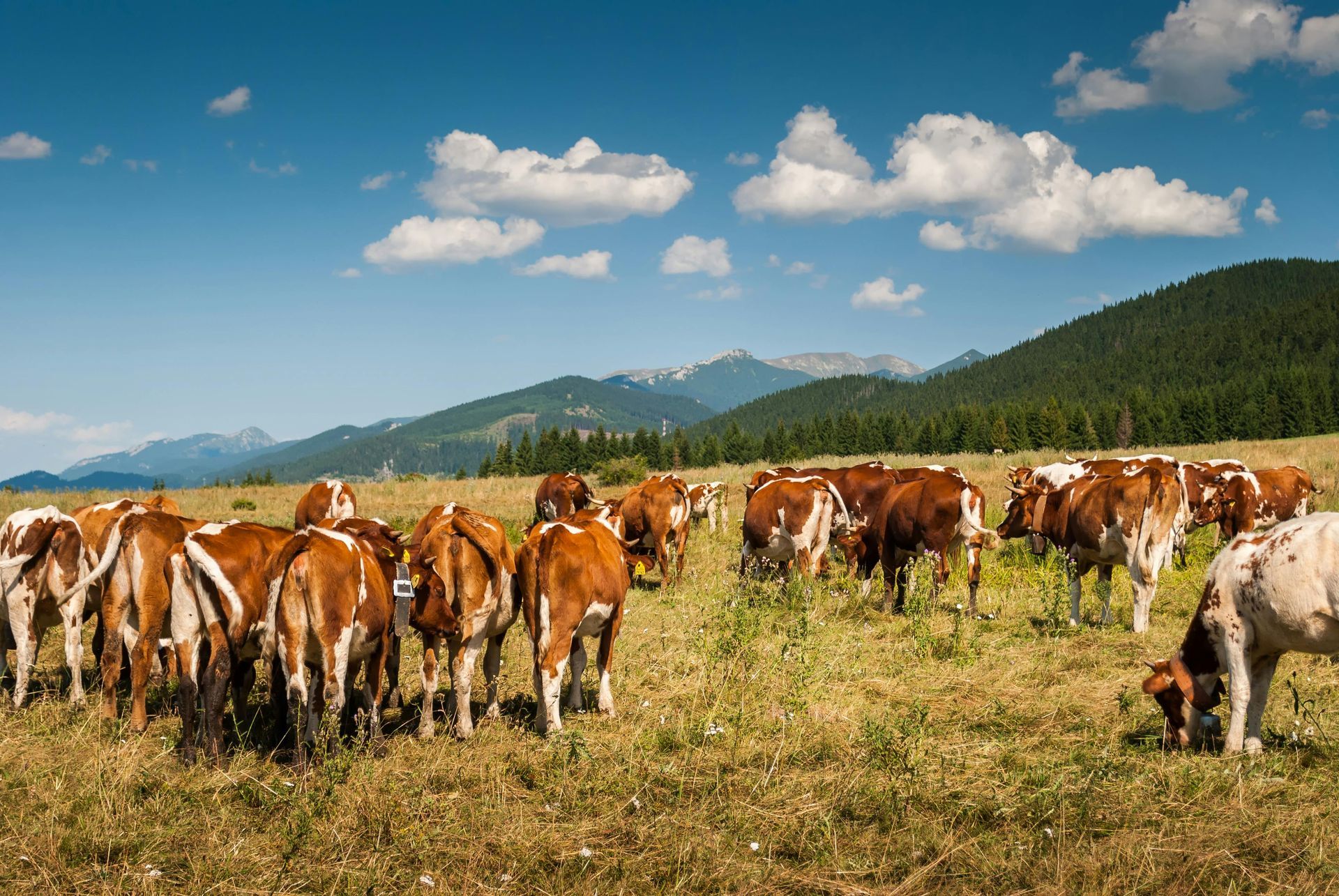
  • Grass hay or pasture: High potassium demand, steady nitrogen

  • Wildlife food plots: Depends on species (clover, oats, brassicas)

  • Vegetables: Require more balanced blends with micronutrients

  • Row crops (corn, soybeans): High nitrogen and phosphorus

  • Lawns: Nitrogen-focused for green growth, with slow-release options

The time of year matters, too:

  • Spring: Starter blends for new growth

  • Mid-season: Topdress with nitrogen

  • Fall: Potassium-focused for root growth and winter hardiness

Our team can help you choose seasonal blends or create a custom mix that matches your planting schedule.


Step 3: Choose Between Granular, Liquid, or Slow-Release

Granular Fertilizer:

  • Easy to spread

  • Available in bulk or bags

  • Good for pastures, hayfields, and food plots

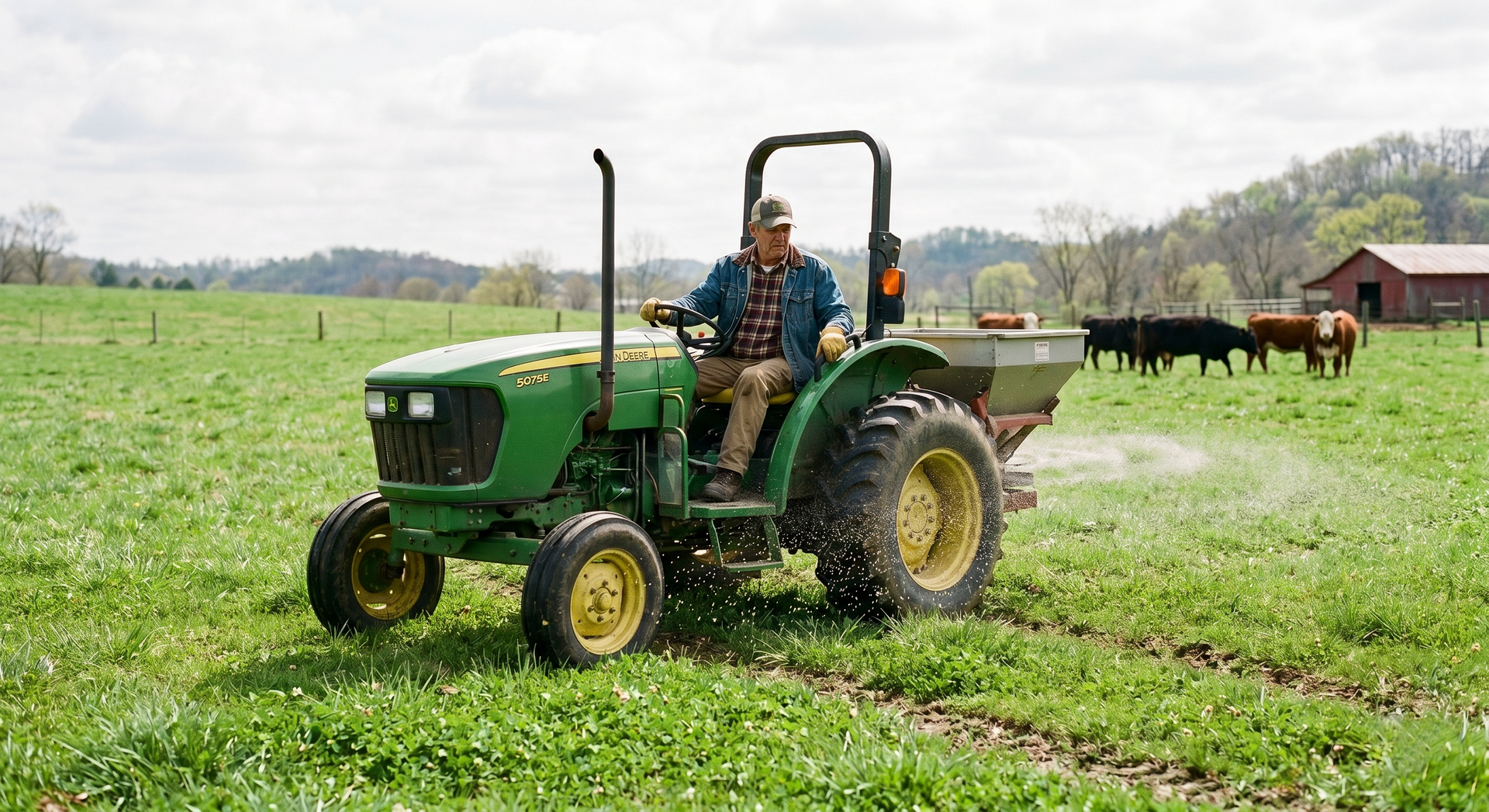
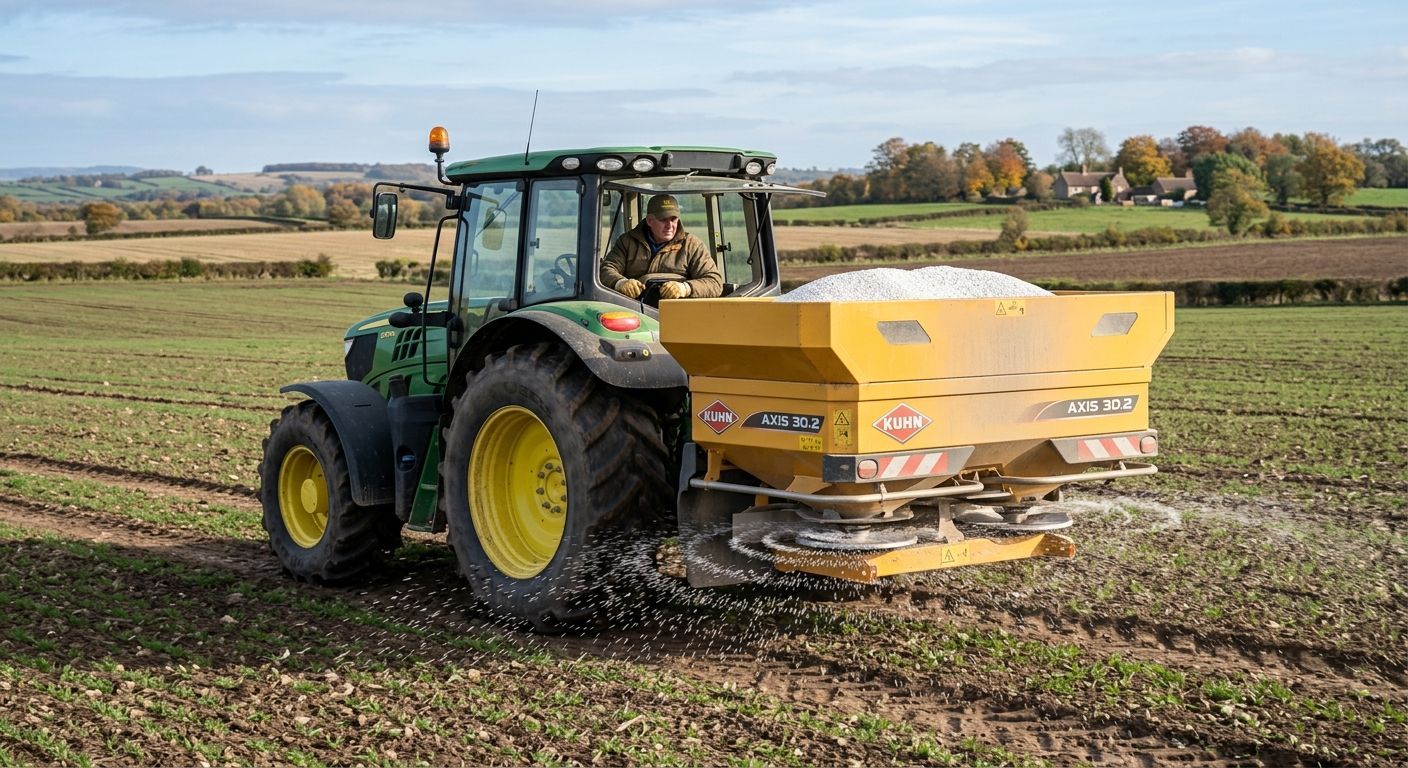
  • Typically applied with a broadcast spreader

Liquid Fertilizer:

  • Fast-acting

  • Used for foliar feeding or injection

  • Often used in gardens, greenhouses, or precision ag

Slow-Release Fertilizer:

  • Releases nutrients over time

  • Good for lawns or crops needing extended feeding

  • Reduces risk of burn or runoff

For new farmers, granular is usually the most practical and affordable option.


Step 4: Understand Common Fertilizer Types

Here are some popular fertilizers and when to use them:

Blend Use Case
13-13-13 General-purpose for balanced fertility
10-20-10 High phosphorus for root development
17-17-17 Fast-growing grasses or hay
0-20-20 For soils already high in nitrogen
46-0-0 (Urea) High nitrogen; topdressing or sidedress

We can also custom-blend a mix based on your soil test to include:

  • Zinc

  • Sulfur

  • Boron

  • Lime (to adjust pH)

Step 5: Apply It the Right Way

Broadcast Application (Most Common)

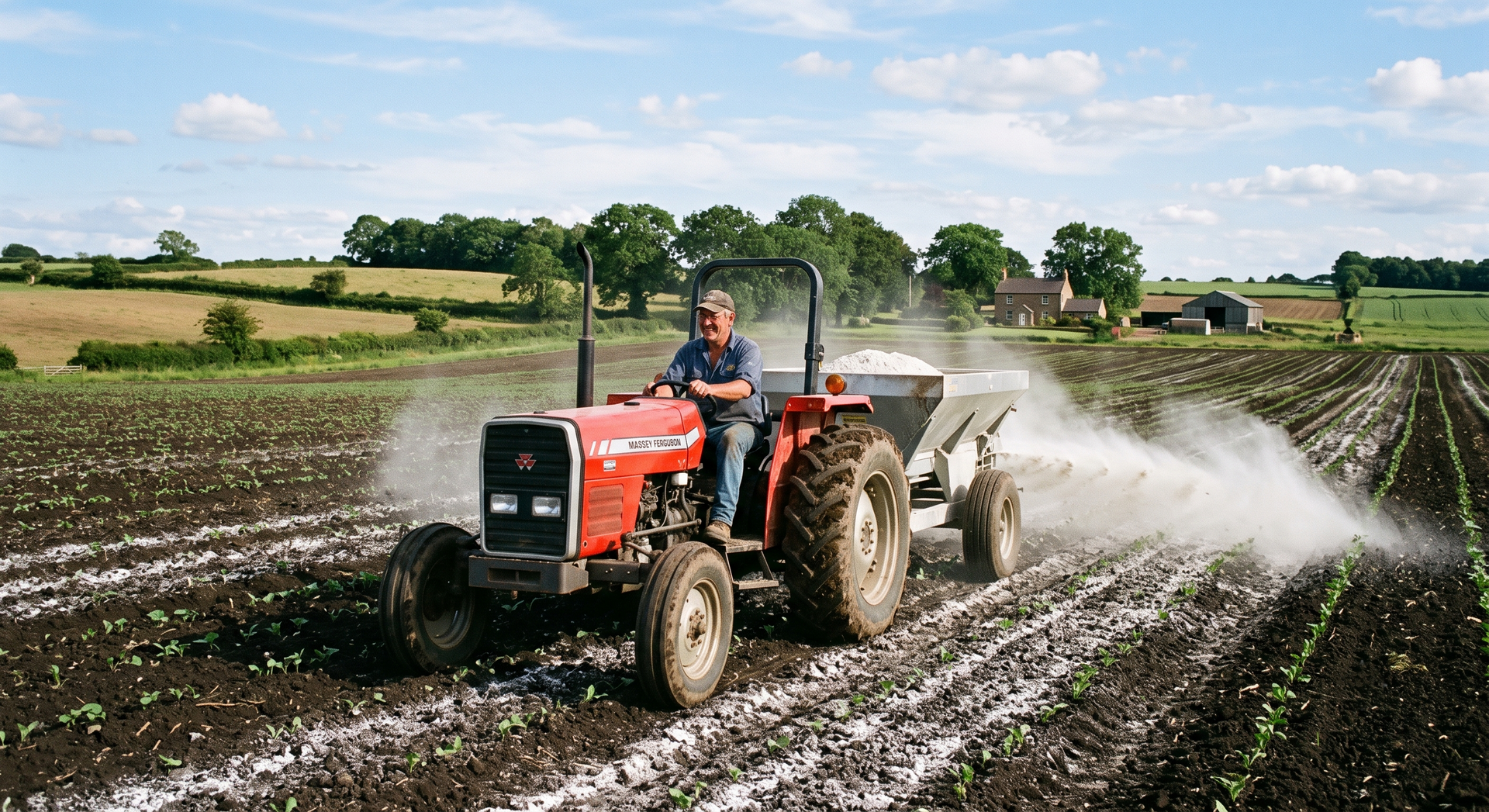
  • Used with a spreader

  • Best for large areas or pre-planting

  • Works well on pastures, food plots, and row crops

Banding or Side-Dress

  • Applied in rows or beside plants

  • Reduces waste, focuses nutrients

  • Used in row crops and vegetables

Foliar Feeding

  • Sprayed on leaves

  • Delivers micronutrients fast

  • Used as a supplement, not a replacement

Tip: Always apply before rain or lightly water in to activate the nutrients.


Step 6: Don’t Forget About Lime

In many parts of Louisiana, soils are too acidic for fertilizer to work properly. If your pH is below 6.0, you may be wasting nutrients.


Lime:

  • Raises pH to improve nutrient uptake

  • Often needed every 2–4 years

  • Applied before planting or fall-applied for spring readiness

Ask us about ag lime and pelletized lime based on your application method.


What About Organic Fertilizer?

Organic fertilizer can be a great option for small farms, gardens, or specialty crops. It typically contains:

  • Compost or manure

  • Bone meal, fish meal

  • Natural minerals like greensand or rock phosphate

Benefits:

  • Improves soil structure

  • Slow nutrient release

  • Safer around pets and kids

Limitations:

  • Slower to act

  • Often lower nutrient concentrations

  • May be more expensive per pound of NPK

We carry organic options and can help you compare them with synthetic alternatives.


Frequently Asked Questions (FAQs)

How much fertilizer do I need per acre?

It depends on the crop and soil test, but a general starting point is 200–300 lbs per acre for a balanced blend. We’ll give you specific rates based on your field.


Can fertilizer burn my plants?

Yes—especially if overapplied or applied in dry conditions. Always follow label rates and avoid applying just before heatwaves.


Can I spread fertilizer by hand?

Yes, for small plots or gardens. For large areas, a broadcast spreader is more efficient and ensures even coverage.


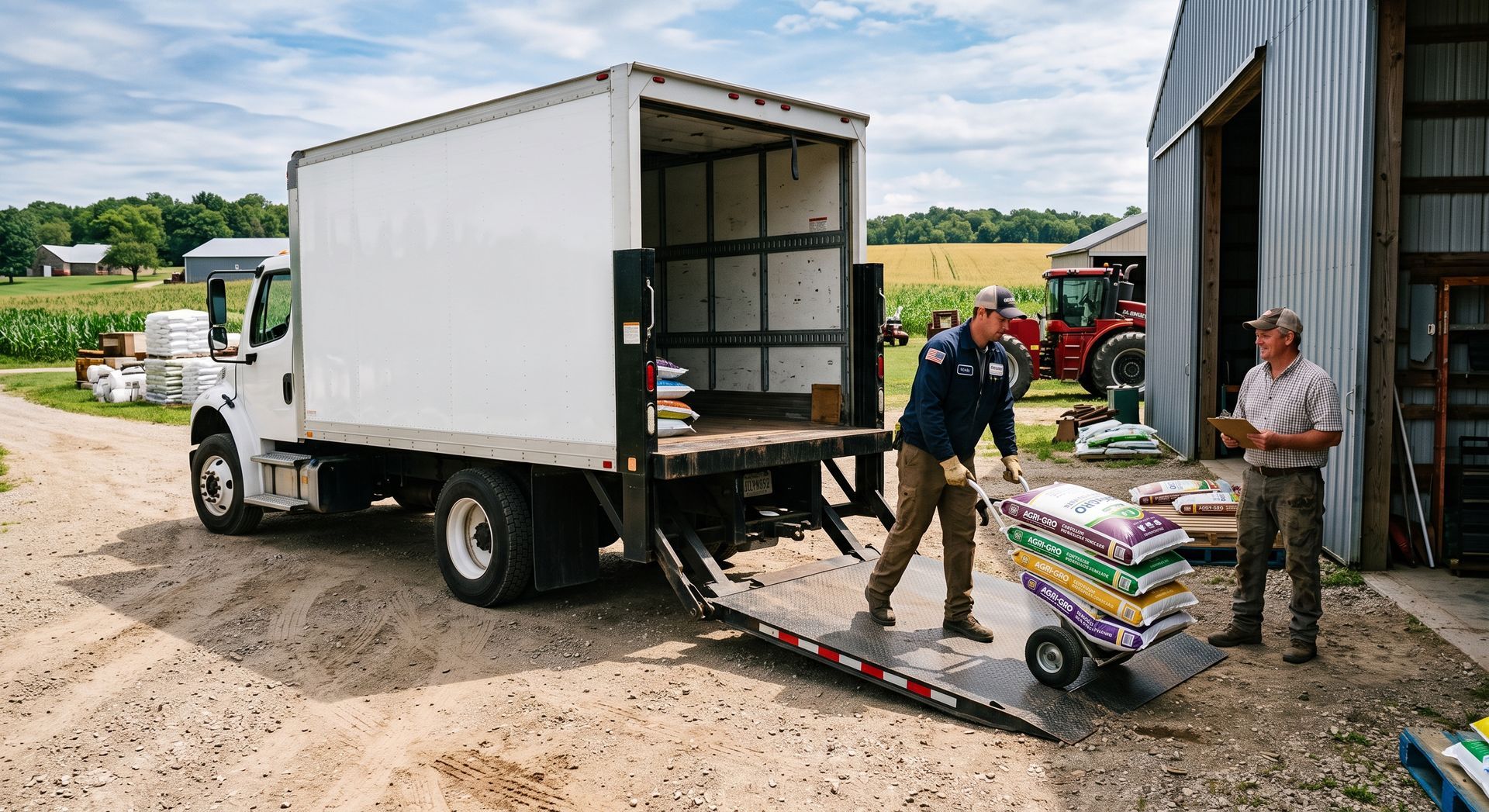
Can you deliver fertilizer to my property?

We deliver bulk and bagged fertilizer throughout DeRidder and nearby rural areas. Call for scheduling and rates.


Let Highland Growers Help You Start Strong

Fertilizer doesn’t have to be complicated—especially when you have the right partner. At Highland Growers, we help new farmers:

  • Test their soil

  • Understand fertilizer labels

  • Choose the right product

  • Apply it with confidence

  • Avoid expensive mistakes

Whether you're managing ½ acre or 500 acres, we have the tools, advice, and products you need to grow smarter, not harder.

Visit https://highlandgrowers.com or stop by our DeRidder location today. We’ll walk you through the fertilizer buying process step by step—no pressure, no guesswork.


Recent Posts

Rows of leafy green cabbages growing in a field, with a sprinkler system watering them.
February 20, 2026
Learn how custom nutrient recommendations improve crop yields, reduce waste, and maximize soil health. Get expert advice from Highland Growers in DeRidder, LA.
Hands holding and dropping seeds into soil.
January 19, 2026
Not all seed mixes are created equal. Learn how Louisiana farmers can select the right seed blend for their land and goals. Highland Growers in DeRidder can help.
Person in gloves harvesting carrots from a garden.
January 2, 2026
Planting a wildlife food plot this fall? Get expert tips on seed, soil, and fertilizer prep from Highland Growers in DeRidder, LA. Boost game activity and nutrition.
Hand scooping soil from a garden bed with a trowel, flowers in background.
December 18, 2025
Understand NPK fertilizer and how it affects your yields. Highland Growers in DeRidder, LA explains nitrogen, phosphorus, and potassium for Louisiana soil.

Hand holding dark sand.
December 4, 2025
Not seeing results from your fertilizer plan? Here are 7 signs your field needs a new strategy. Trusted advice from Highland Growers in DeRidder, LA.
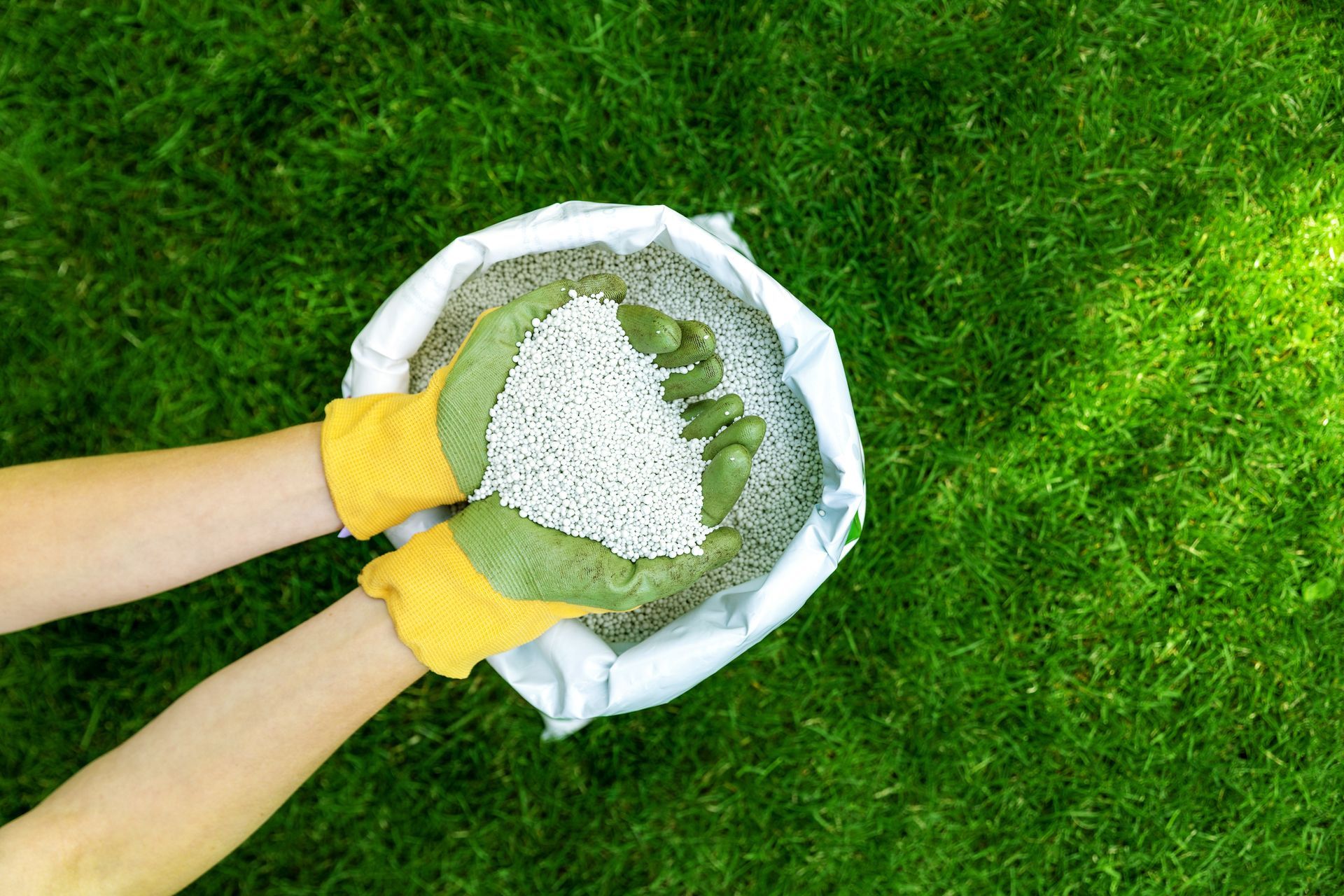
Hands in yellow gloves holding fertilizer granules over a bag on a green lawn.
November 24, 2025
Learn which farm chemicals are allowed in Louisiana. Highland Growers in DeRidder offers safe, legal, and effective solutions for farmers and landowners.
Person using a green-handled trowel to scoop soil from a blue bucket.
November 18, 2025
Improve yields and reduce waste with custom blend fertilizer from Highland Growers in DeRidder, LA. Precision nutrient solutions tailored to your farm.

Hands holding black sand in a heart shape against a dark, sandy background.
November 3, 2025
Improve crop yields in Beauregard Parish with professional soil testing. Highland Growers in DeRidder, LA offers soil tests and nutrient recommendations. Call now.
Person in orange glove spreading granular fertilizer in garden with trowel.
October 29, 2025
Want to attract more deer and game in Louisiana? Learn how to start a wildlife food plot with soil testing, seed selection, and timing tips from Highland Growers.
Hands holding a pile of brown and white granular fertilizer.
October 24, 2025
Find the best fertilizers for Louisiana soil. Get expert advice and custom blend recommendations from Highland Growers in DeRidder. Call today to learn more!