Best Practices for Storing Fertilizer Safely on Your Farm

May 29, 2026

Learn safe fertilizer storage practices for farms

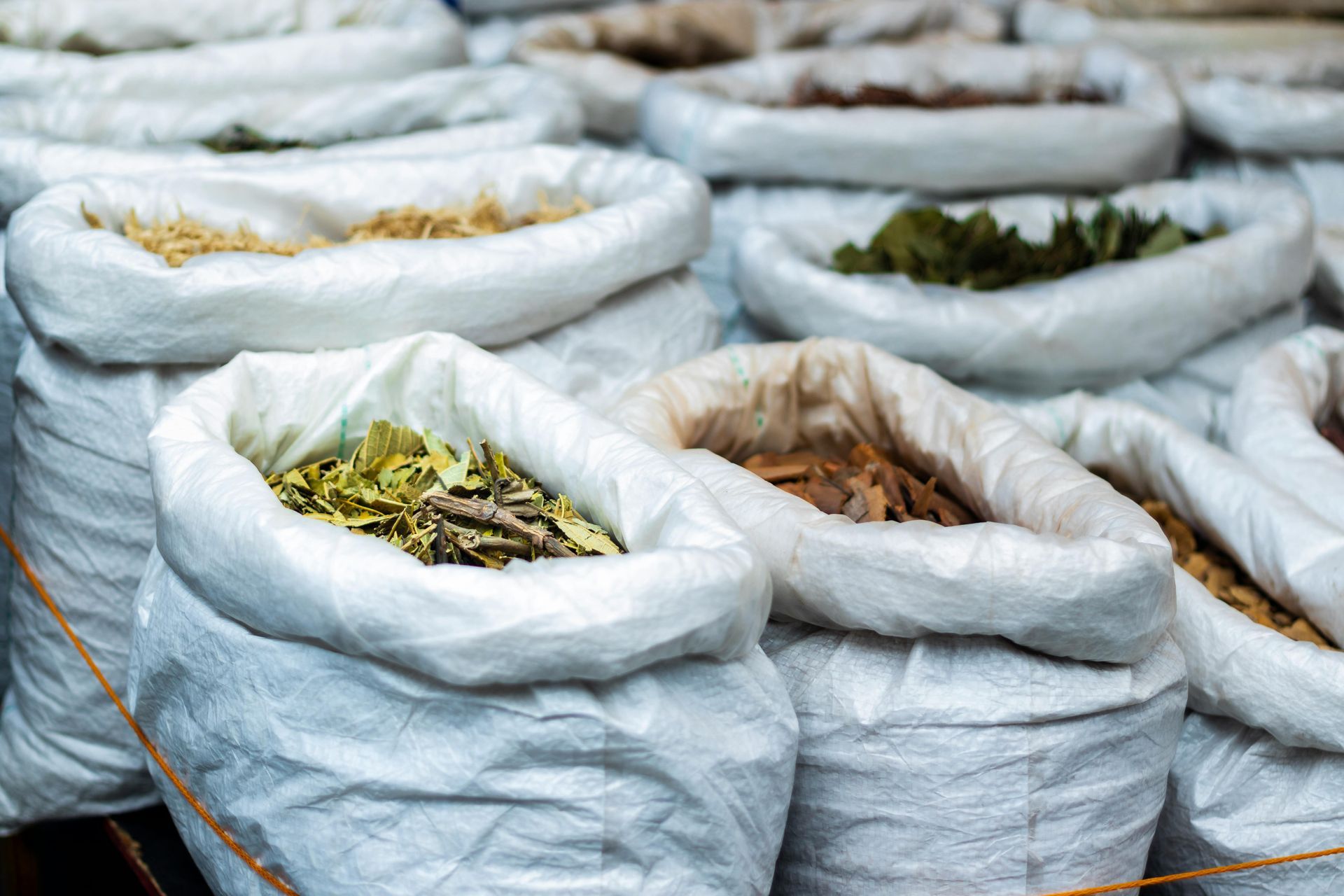
White sacks filled with dried leaves or herbs stacked outdoors

Proper fertilizer storage is essential for maintaining product quality, protecting the environment, and ensuring farm safety. Fertilizers that are stored incorrectly can lose effectiveness, become difficult to apply, or even create safety hazards. The best fertilizer storage practices include keeping fertilizer dry, storing it in a protected structure, preventing contamination, and following proper safety guidelines.

For farmers in DeRidder and across Southwest Louisiana, proper fertilizer storage helps protect their investment and ensures nutrients remain effective when applied to crops, pastures, or hay fields.

Why Proper Fertilizer Storage Matters

Fertilizer is a valuable agricultural input, and improper storage can lead to several problems.

Poor storage practices may cause:

  • Nutrient loss
  • Fertilizer clumping or hardening
  • Product contamination
  • Environmental runoff risks
  • Reduced crop performance

Farmers who store fertilizer properly can maintain its quality and ensure it remains effective when applied.

Store Fertilizer in a Dry Location

Moisture is one of the biggest threats to fertilizer quality. Exposure to humidity or water can cause fertilizer to clump together, making it difficult to spread evenly across fields.

To prevent moisture damage, fertilizer should be stored in:

  • Covered storage areas
  • Weatherproof buildings
  • Dry warehouses or barns
  • Sealed containers when possible

Keeping fertilizer dry helps preserve its nutrient content and ensures it spreads evenly during application.

Protect Fertilizer from Rain and Flooding

Louisiana’s climate includes frequent rainfall and occasional severe storms. Fertilizer stored outdoors without protection may absorb moisture and lose effectiveness.

Farmers should always store fertilizer in locations that are:

  • Elevated above flood-prone areas
  • Protected from rainfall
  • Covered with waterproof materials

Proper protection helps prevent nutrient runoff that could affect nearby soil or water sources.

Separate Fertilizer from Chemicals and Fuels

Fertilizer should always be stored separately from other farm materials such as fuels, pesticides, and herbicides.

Mixing these materials can increase the risk of:

  • Contamination
  • Chemical reactions
  • Safety hazards

Designating a specific fertilizer storage area helps keep products organized and reduces the chance of accidental mixing.

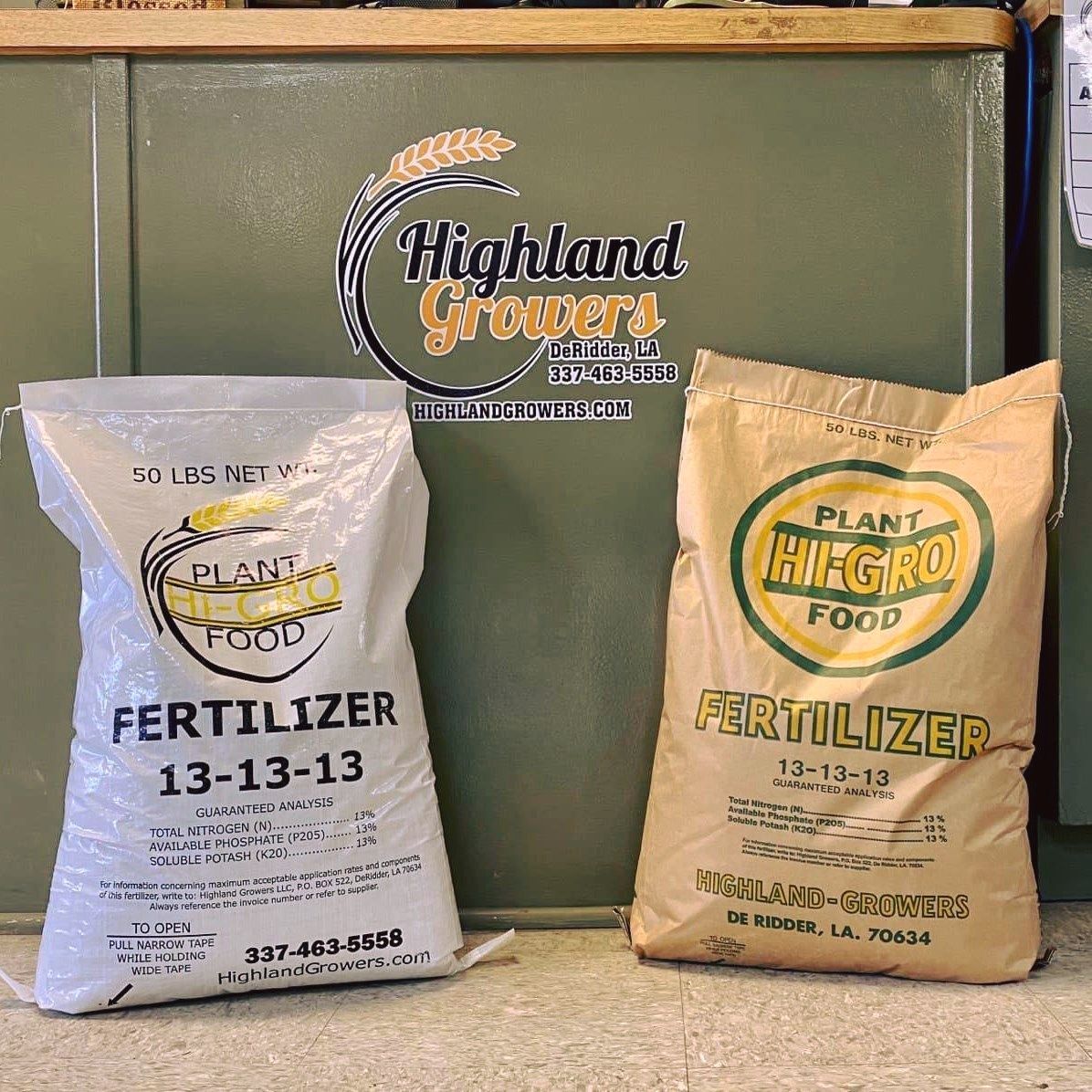
Highland Growers provides farmers with high-quality fertilizer products designed for agricultural use, helping ensure reliable nutrient performance for farms in Southwest Louisiana.
[Highland Growers Fertilizer – https://www.highlandgrowers.com/]

Use Proper Storage Containers

The type of container used for fertilizer storage can affect product quality.

Common fertilizer storage options include:

  • Sealed bags
  • Bulk storage bins
  • Covered pallets
  • Storage silos for large farms

Bulk fertilizer should always be stored in clean, dry containers that prevent moisture exposure.

Farmers should also inspect containers regularly to ensure they remain in good condition.

Keep Fertilizer Away from Water Sources

Environmental safety is an important part of fertilizer storage.

Fertilizer stored too close to water sources may contaminate nearby water sources.

  • Streams
  • Ponds
  • Irrigation systems
  • Drainage areas

According to environmental guidelines, fertilizer storage areas should be located away from surface water and drainage systems to prevent accidental runoff.

The U.S. Environmental Protection Agency (EPA) provides recommendations for nutrient management to protect water quality.
[EPA Nutrient Management Guide – https://www.epa.gov/nutrient-policy-data]

Label and Organize Fertilizer Storage Areas

Proper organization improves both efficiency and safety on the farm.

Farmers should clearly label:

  • Different fertilizer types
  • Nutrient ratios
  • Storage containers

Organized storage areas help farmers:

  • Identify products quickly
  • Prevent fertilizer mix-ups
  • Maintain accurate inventory

Keeping storage areas clean and organized also reduces the chance of product contamination.

Prevent Fertilizer Contamination

Fertilizer contamination can reduce nutrient quality and potentially harm crops.

Common contamination sources include:

  • Dirt or debris
  • Chemical residues
  • Fuel spills
  • Moisture

To prevent contamination, farmers should:

  • Keep storage areas clean
  • Avoid mixing different fertilizer products
  • Use dedicated tools for handling fertilizer

Maintaining a clean storage environment ensures fertilizer remains effective.

Inspect Fertilizer Regularly

Farmers should regularly inspect fertilizer storage areas to ensure products remain in good condition.

Signs of fertilizer damage may include:

  • Hard clumps
  • Unusual odors
  • Moisture buildup
  • Discolored material

If fertilizer becomes severely damaged or contaminated, it may not perform effectively when applied to crops.

Routine inspections help farmers identify problems early and prevent product loss.

Store Fertilizer for Easy Application

Fertilizer storage areas should be designed to support efficient farm operations.

Good storage design includes:

  • Easy access for loaders or spreaders
  • Clear pathways for equipment
  • Organized product placement

Efficient storage systems reduce handling time and make fertilizer application easier during busy planting or fertilizing seasons.

Buy Fertilizer from Trusted Agricultural Suppliers

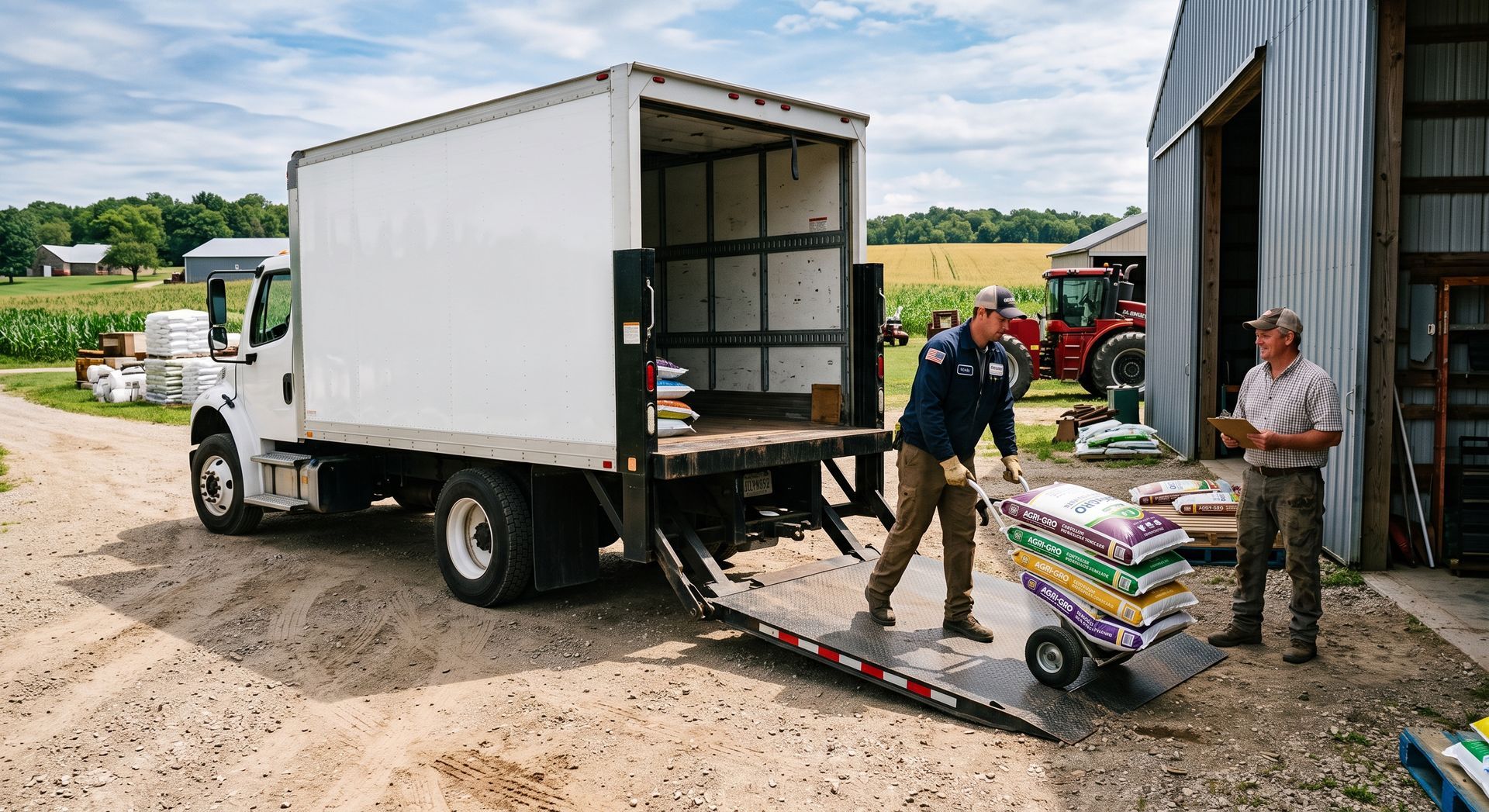
Purchasing fertilizer from reputable agricultural suppliers helps ensure farmers receive high-quality products designed for local farming conditions.

Highland Growers supplies fertilizer to farmers throughout:

  • DeRidder
  • Leesville
  • Merryville
  • DeQuincy
  • Southwest Louisiana

Their agricultural services include:

  • Custom fertilizer blending
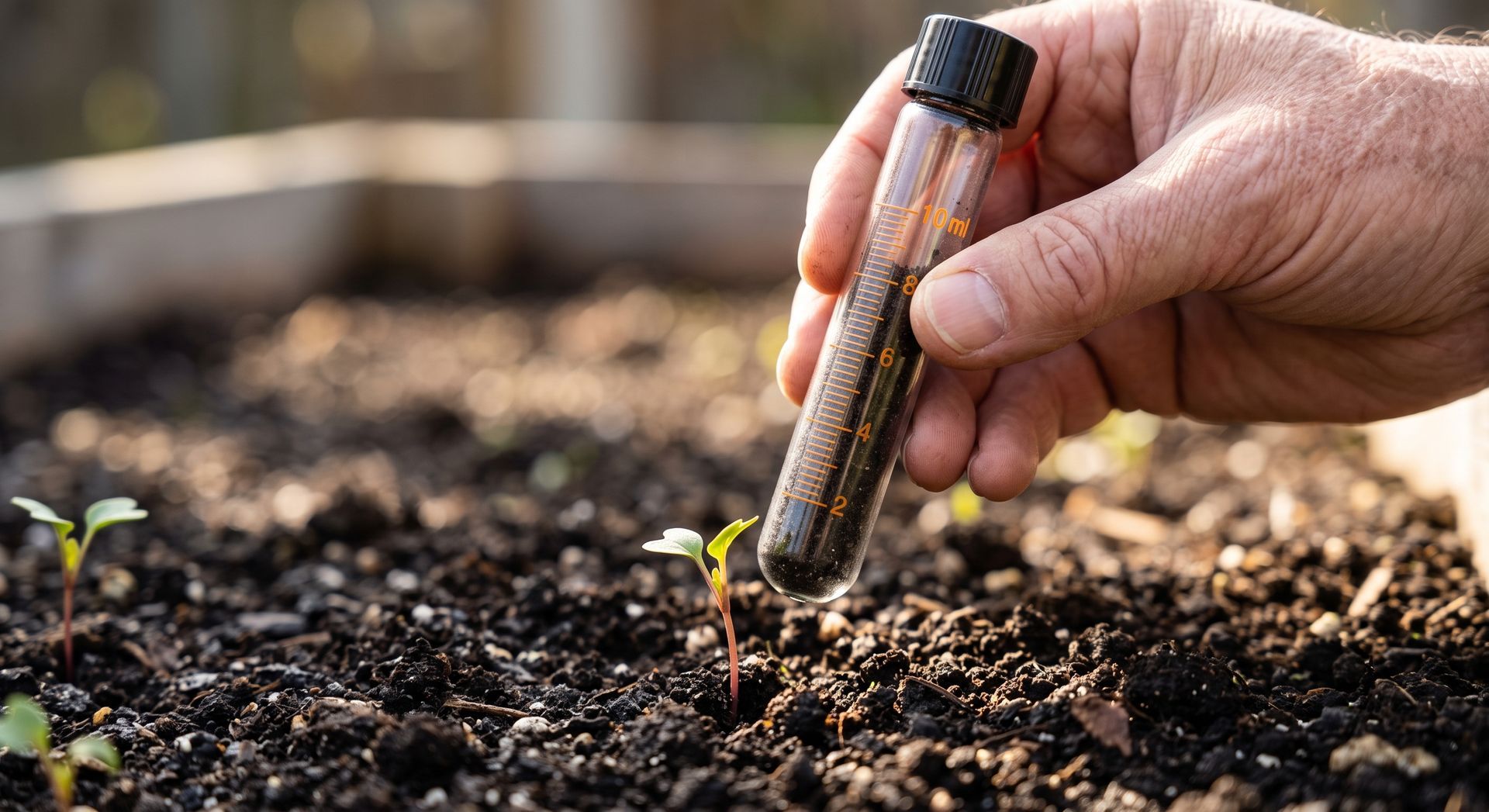
  • Soil testing and nutrient recommendations
  • Seed supply
  • Farm chemicals
  • Wildlife food plot supplies
  • State-certified truck scale services

Working with a trusted supplier helps farmers develop fertilizer programs that support healthy crops and productive fields.

Additional Tips for Safe Fertilizer Storage

Farmers can improve fertilizer storage safety by following these simple guidelines:

  • Store fertilizer in well-ventilated areas
  • Keep storage areas locked if necessary
  • Avoid stacking bags too high
  • Keep storage areas free of debris
  • Follow the manufacturer's storage recommendations

These small steps can significantly improve both safety and fertilizer performance.

FAQs About Fertilizer Storage

Can fertilizer go bad if stored improperly?

Yes. Exposure to moisture, contamination, or extreme temperatures can reduce fertilizer effectiveness.

How long can fertilizer be stored?

When stored properly in dry conditions, most fertilizers can last several years without losing effectiveness.

Should fertilizer be stored outside?

Outdoor storage is not recommended unless fertilizer is protected with waterproof coverings and elevated above the ground.

Why does fertilizer sometimes clump together?

Clumping occurs when fertilizer absorbs moisture from the air or the surrounding environment.

Is it safe to store fertilizer in barns?

Yes. Barns or covered storage buildings are often ideal locations if they remain dry and well ventilated.

Protect Your Fertilizer Investment

Proper fertilizer storage helps farmers protect their investment and maintain the quality of their agricultural inputs.

Highland Growers provides farmers across DeRidder and Southwest Louisiana with the fertilizer, soil testing, and agricultural expertise needed for successful crop production.

If you need help selecting fertilizer or developing a nutrient management plan, the team at Highland Growers can provide custom recommendations tailored to your farm.

Recent Posts

Hand scattering seeds over a small green seedling in a garden bed
May 13, 2026
Avoid costly fertilizer mistakes on your farm. Learn common application errors and how Louisiana farmers can improve crop health, yields, and overall results.
Green tractor driving across a grassy field with a person at the wheel, farm buildings in the background
April 28, 2026
Learn when to fertilize pastures in Louisiana for maximum grass growth. Discover expert timing tips from Highland Growers in DeRidder, LA for healthier fields.

A herd of brown and white cattle graze in a sunny, dry mountain meadow under a clear blue sky.
April 13, 2026
Learn the best pasture management tips for Louisiana cattle farmers. Improve grazing, soil health, and forage production with expert advice from Highland Growers.
An agricultural advisor and a farmer discuss data on a tablet in a soy field, with farming equipment in the background.
March 26, 2026
Learn the best fertilizer program for hay fields in Southwest Louisiana. Boost yield, improve soil health, and get expert tips from Highland Growers today!!
Bags of soil on pallets inside a wooden shed and a container, in a garden setting.
March 9, 2026
Learn safe, effective fertilizer storage practices for Louisiana farms. Highland Growers in DeRidder shares expert tips to protect your products, soil, and water.
Rows of leafy green cabbages growing in a field, with a sprinkler system watering them.
February 20, 2026
Learn how custom nutrient recommendations improve crop yields, reduce waste, and maximize soil health. Get expert advice from Highland Growers in DeRidder, LA.
Hands holding a pile of dark soil and worms.
February 4, 2026
New to farming? Learn how to choose the right fertilizer with this simple guide from Highland Growers in DeRidder, LA. Local tips and custom solutions.
Hands holding and dropping seeds into soil.
January 19, 2026
Not all seed mixes are created equal. Learn how Louisiana farmers can select the right seed blend for their land and goals. Highland Growers in DeRidder can help.
Person in gloves harvesting carrots from a garden.
January 2, 2026
Planting a wildlife food plot this fall? Get expert tips on seed, soil, and fertilizer prep from Highland Growers in DeRidder, LA. Boost game activity and nutrition.
Hand scooping soil from a garden bed with a trowel, flowers in background.
December 18, 2025
Understand NPK fertilizer and how it affects your yields. Highland Growers in DeRidder, LA explains nitrogen, phosphorus, and potassium for Louisiana soil.

Hand holding dark sand.
December 4, 2025
Not seeing results from your fertilizer plan? Here are 7 signs your field needs a new strategy. Trusted advice from Highland Growers in DeRidder, LA.
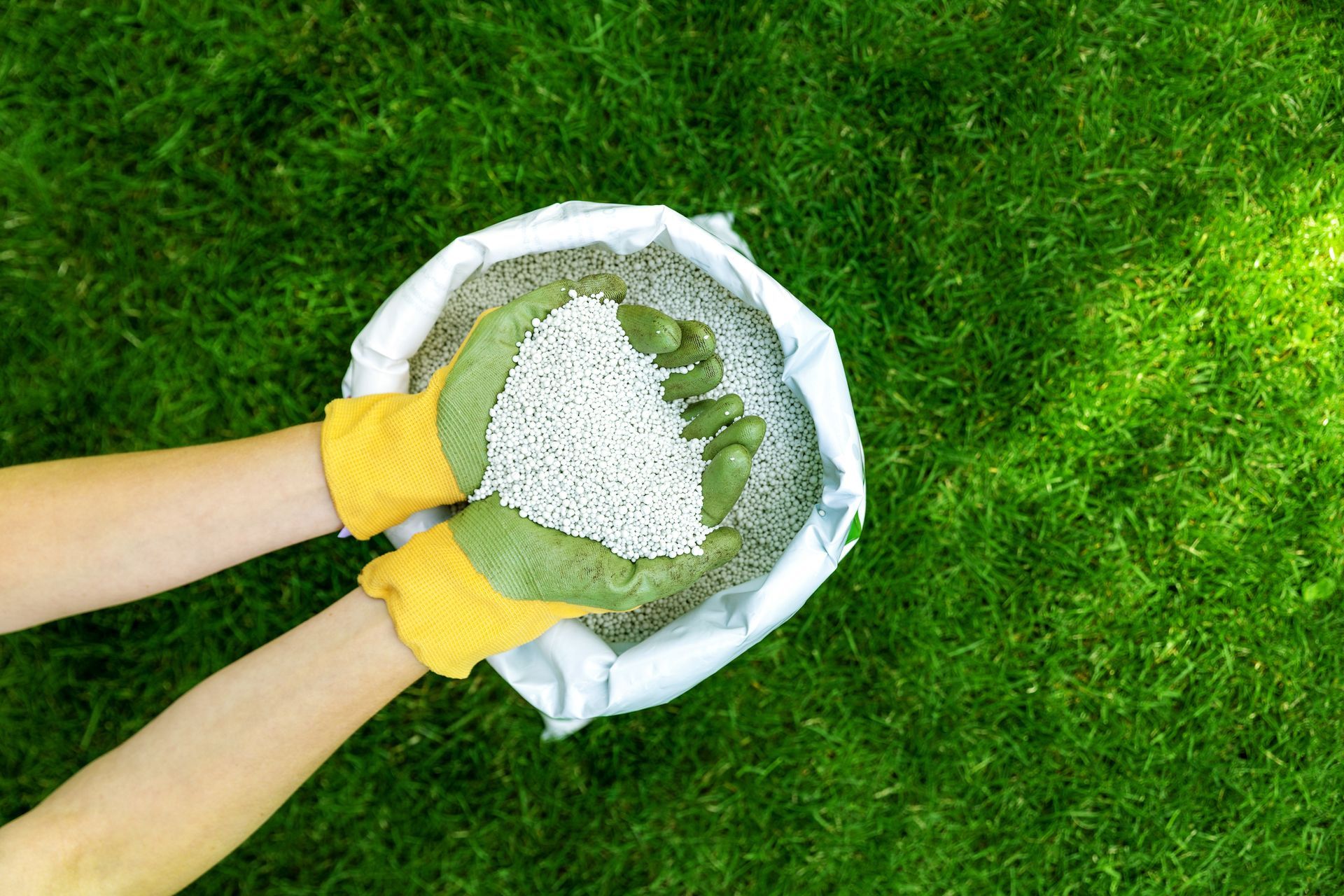
Hands in yellow gloves holding fertilizer granules over a bag on a green lawn.
November 24, 2025
Learn which farm chemicals are allowed in Louisiana. Highland Growers in DeRidder offers safe, legal, and effective solutions for farmers and landowners.
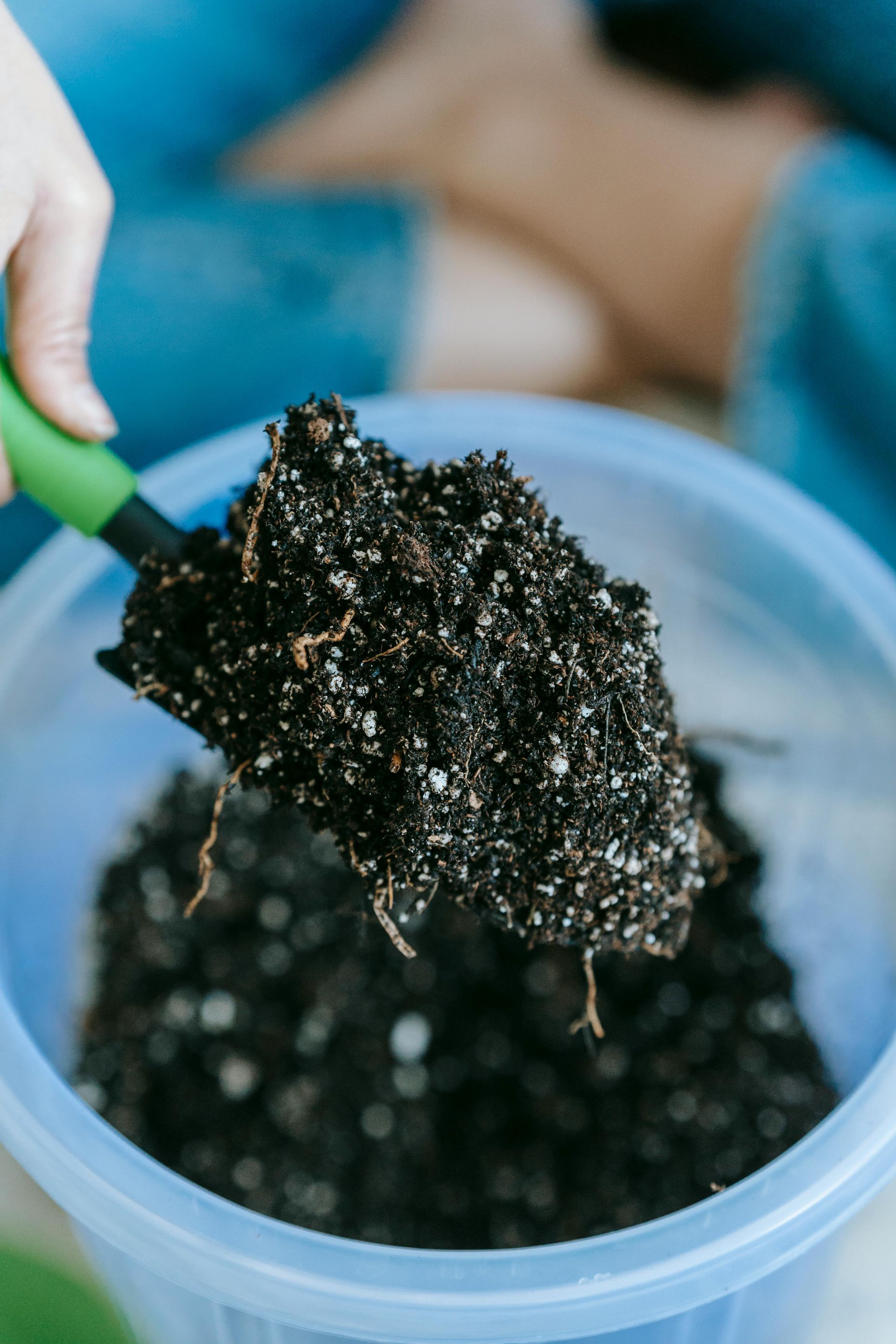
Person using a green-handled trowel to scoop soil from a blue bucket.
November 18, 2025
Improve yields and reduce waste with custom blend fertilizer from Highland Growers in DeRidder, LA. Precision nutrient solutions tailored to your farm.

Hands holding black sand in a heart shape against a dark, sandy background.
November 3, 2025
Improve crop yields in Beauregard Parish with professional soil testing. Highland Growers in DeRidder, LA offers soil tests and nutrient recommendations. Call now.
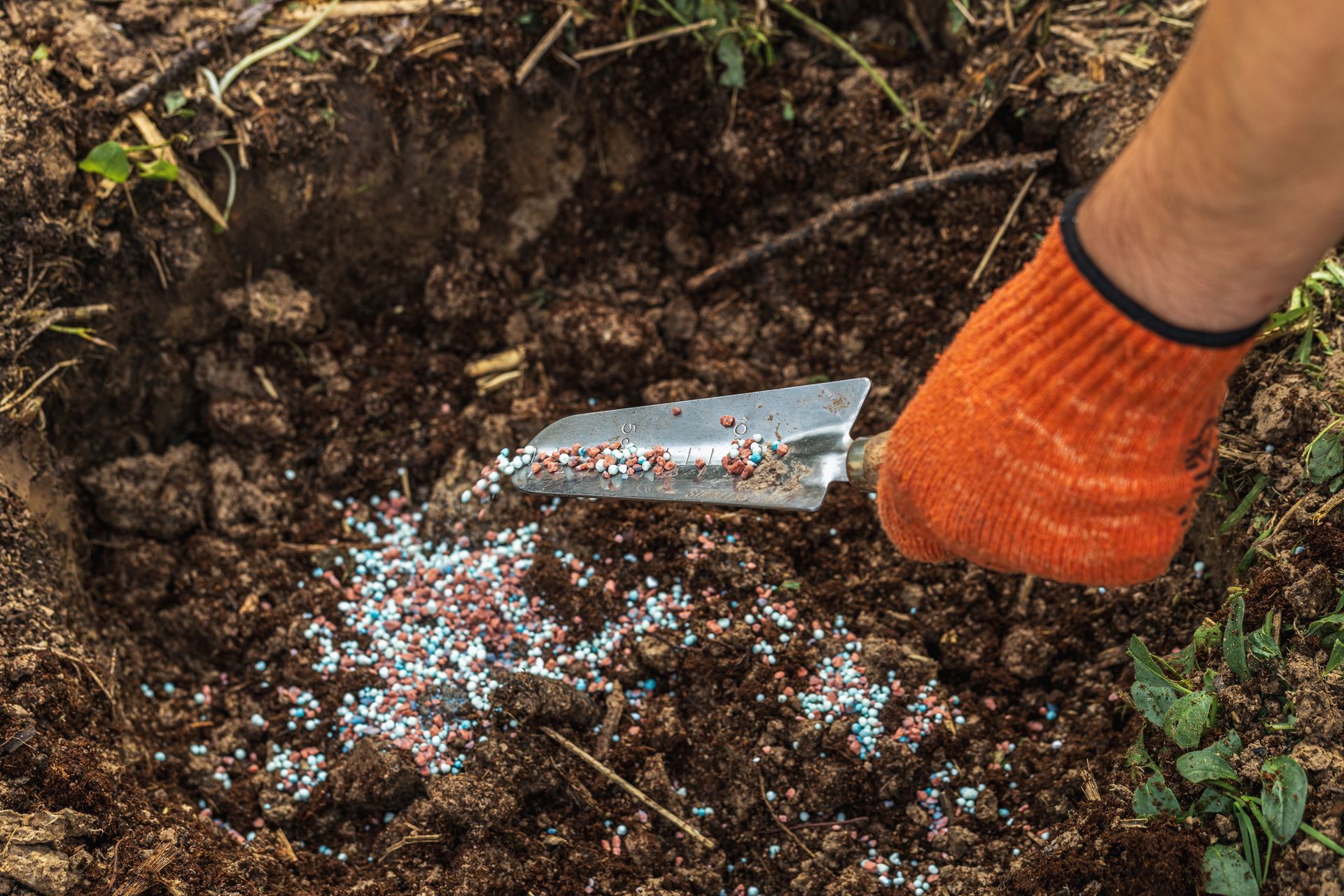
Person in orange glove spreading granular fertilizer in garden with trowel.
October 29, 2025
Want to attract more deer and game in Louisiana? Learn how to start a wildlife food plot with soil testing, seed selection, and timing tips from Highland Growers.
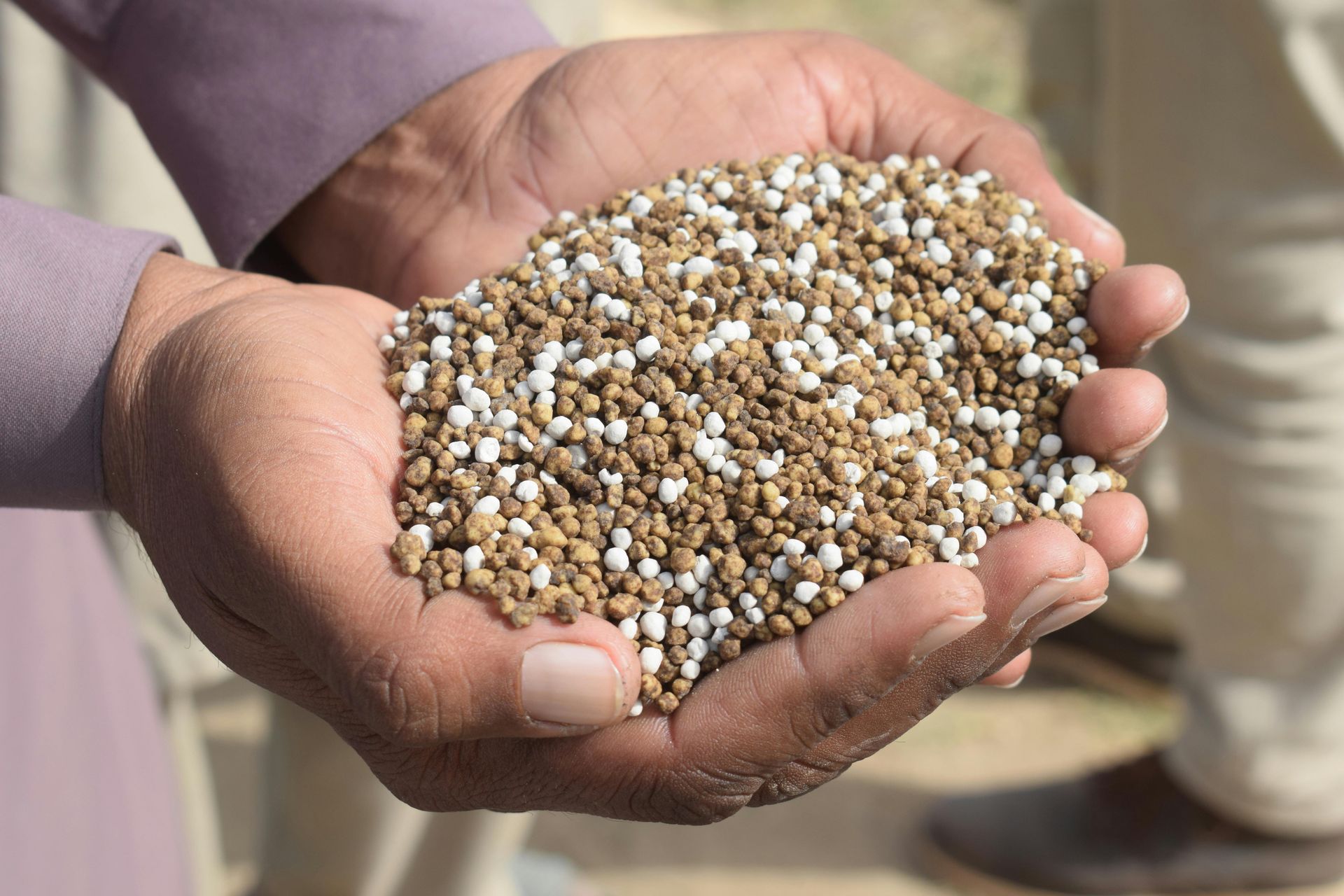
Hands holding a pile of brown and white granular fertilizer.
October 24, 2025
Find the best fertilizers for Louisiana soil. Get expert advice and custom blend recommendations from Highland Growers in DeRidder. Call today to learn more!