10 Fertilizer Application Mistakes That Cost Farmers Money
the top fertilizer application errors and how Louisiana farmers can improve crop results

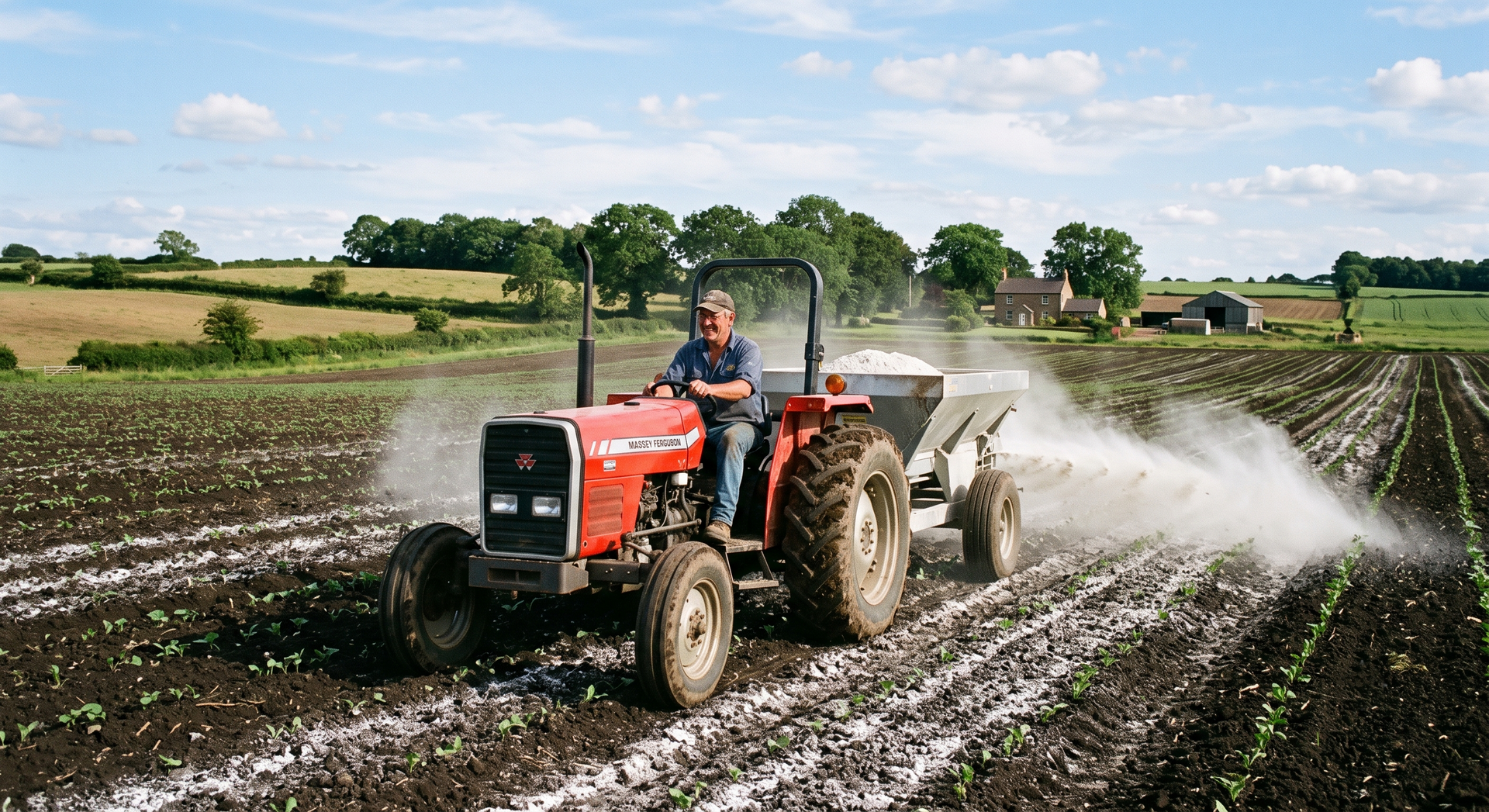
Fertilizer plays a major role in farm productivity, but applying it incorrectly can quickly become expensive. Many farmers unknowingly make fertilizer mistakes that lead to wasted nutrients, reduced crop yields, and unnecessary input costs. The most common fertilizer application mistakes include skipping soil testing, applying nutrients at the wrong time, using incorrect fertilizer ratios, and overapplying nutrients.
For farmers in DeRidder and across Southwest Louisiana, avoiding these mistakes can significantly improve crop performance and profitability. By following proper fertilizer practices and working with local experts like Highland Growers, farmers can ensure their fields receive the nutrients they truly need.
Why Proper Fertilizer Application Matters
Fertilizer is one of the largest input costs in farming. Applying it incorrectly can reduce returns and even harm soil health.
Proper fertilizer management helps farmers:
- Improve crop yields
- Reduce fertilizer waste
- Lower operating costs
- Protect soil fertility
- Support long-term farm productivity
Understanding common mistakes is the first step toward improving fertilizer efficiency.
1. Skipping Soil Testing
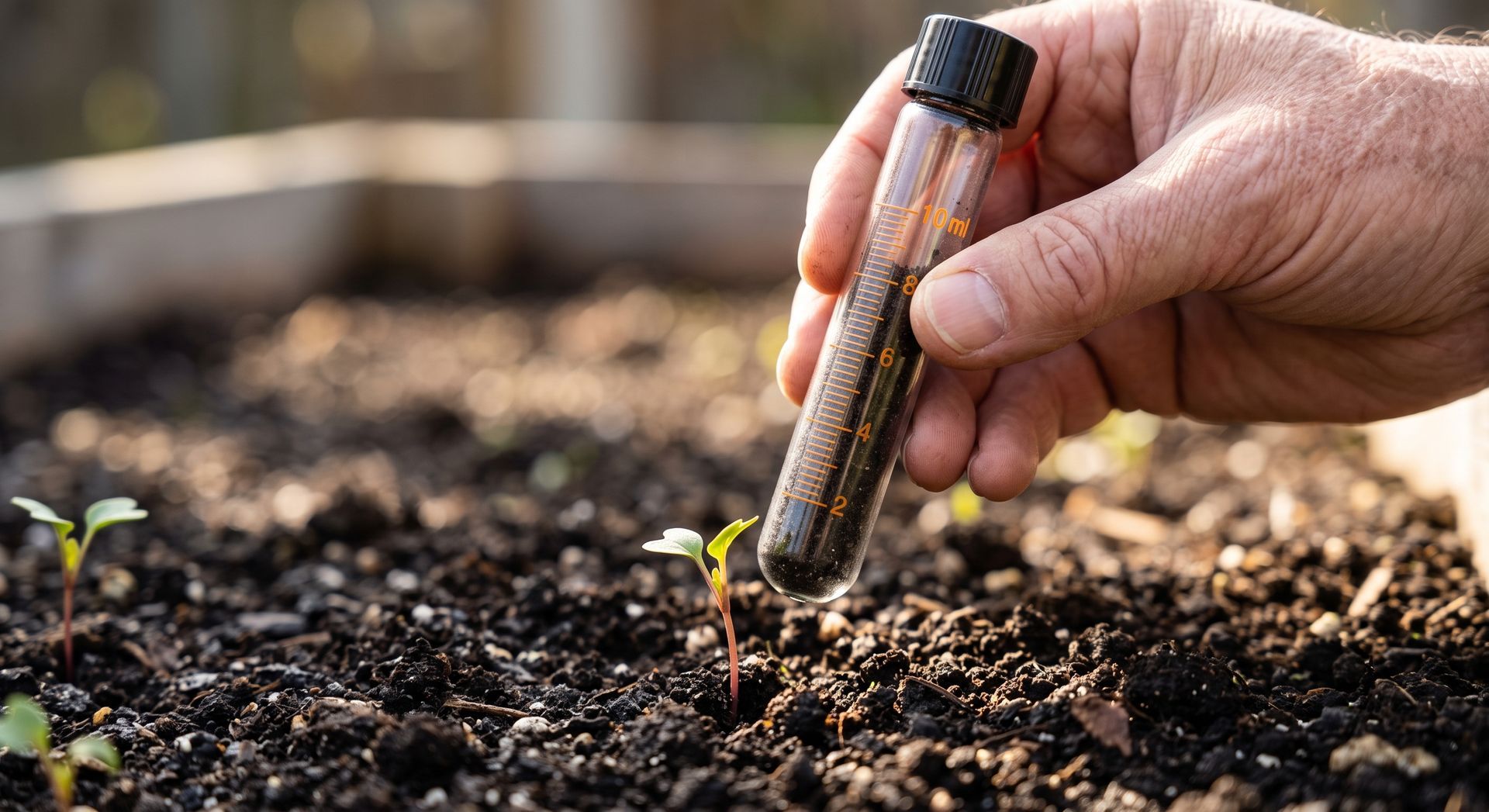
One of the most common mistakes farmers make is applying fertilizer without first testing the soil.
Without soil testing, farmers may:
- Apply nutrients the soil already contains
- Miss important nutrient deficiencies
- Waste money on unnecessary fertilizer
A soil test identifies:
- Nutrient levels
- Soil pH
- Fertility deficiencies
- Recommended fertilizer rates
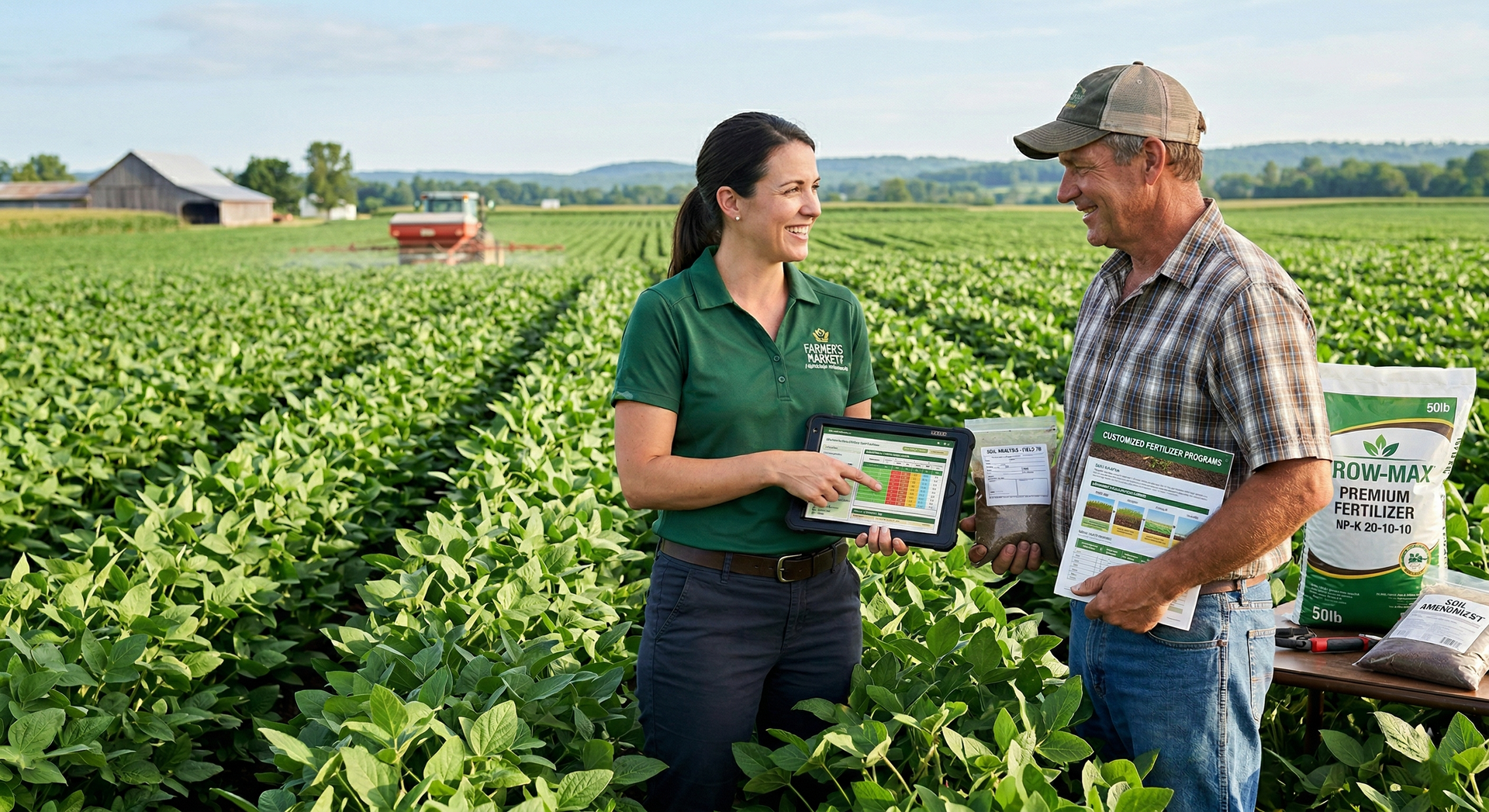
Highland Growers provides professional soil testing and nutrient recommendations to help farmers make informed fertilizer decisions.
[Soil Testing Services – https://www.highlandgrowers.com/]
The LSU AgCenter also recommends soil testing every two to three years to maintain soil health and maximize crop yields.
[LSU AgCenter Soil Testing Guide – https://www.lsuagcenter.com]
2. Applying Fertilizer at the Wrong Time
Timing is critical when applying fertilizer. If nutrients are applied when crops are not actively growing, plants cannot absorb them effectively.
This can lead to:
- Nutrient loss through runoff
- Fertilizer leaching from heavy rainfall
- Reduced crop uptake
The best fertilizer timing usually occurs during active crop growth periods when plants need nutrients most.
3. Using the Wrong Fertilizer Ratio
Different crops require different nutrient balances. Using the wrong fertilizer ratio can limit plant growth and reduce crop yields.
For example:
- Nitrogen promotes leaf growth
- Phosphorus supports root development
- Potassium strengthens plants and improves stress tolerance
Applying balanced fertilizer blends ensures crops receive the nutrients they need at each growth stage.
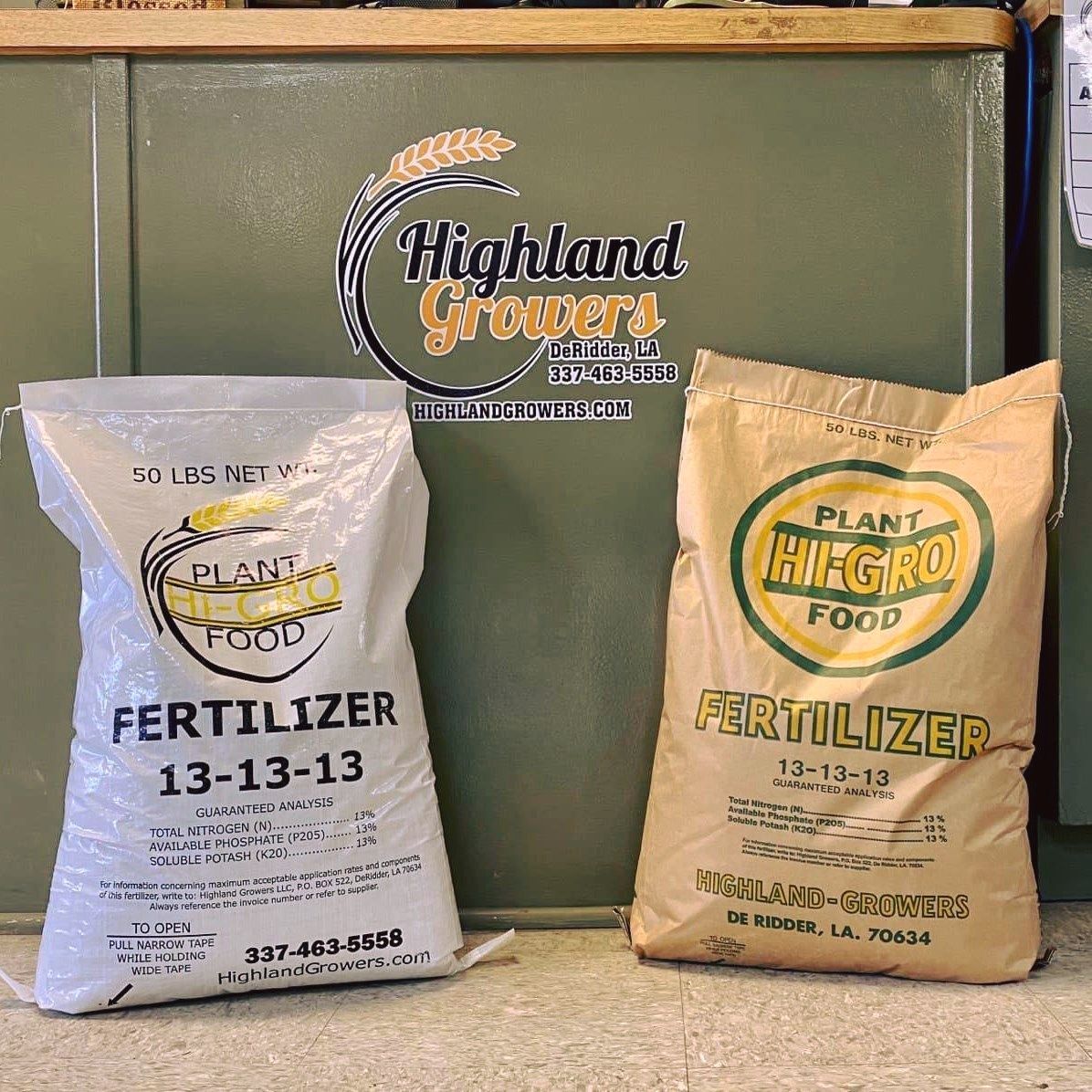
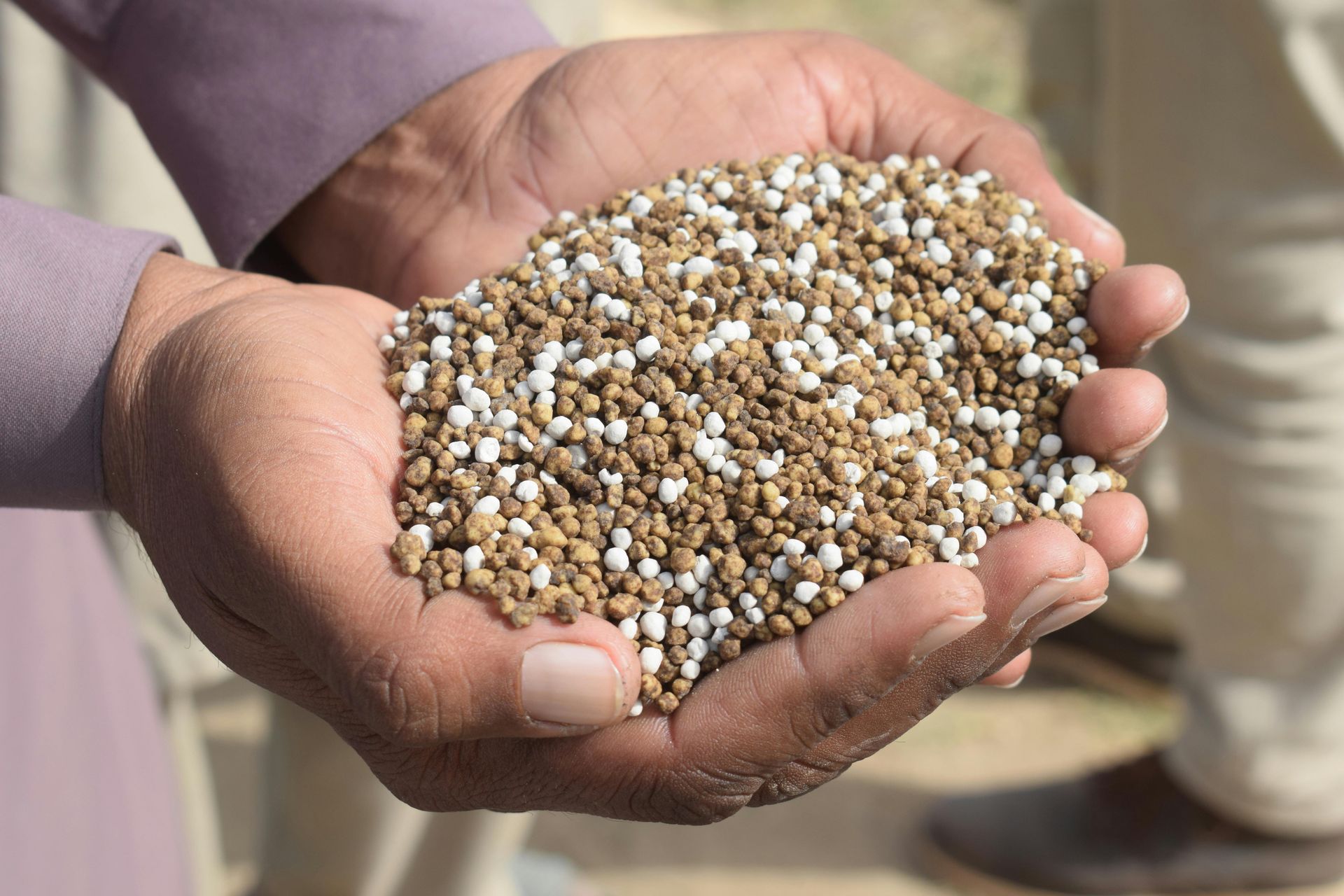
Highland Growers offers custom blend fertilizer solutions designed for Louisiana soil conditions.
[Custom Blend Fertilizer – https://www.highlandgrowers.com/]
Custom blends help farmers avoid the mistake of using generic fertilizer formulas.
4. Overapplying Fertilizer
Many farmers believe applying extra fertilizer will increase crop yields. In reality, overapplication can cause several problems.
Too much fertilizer can:
- Burn plant roots
- Reduce nutrient efficiency
- Increase production costs
- Cause environmental runoff
Applying fertilizer according to soil test recommendations ensures crops receive the right amount of nutrients without unnecessary waste.
5. Ignoring Soil pH Levels
Soil pH has a major impact on how well plants absorb nutrients.
If soil pH is too high or too low, crops may not be able to absorb nutrients—even when fertilizer is present.
For example:
- Acidic soils can limit phosphorus availability
- Alkaline soils can reduce micronutrient absorption
Many Louisiana soils are naturally acidic and may require lime applications to correct pH levels.
Soil testing helps farmers determine when lime is needed to improve nutrient availability.
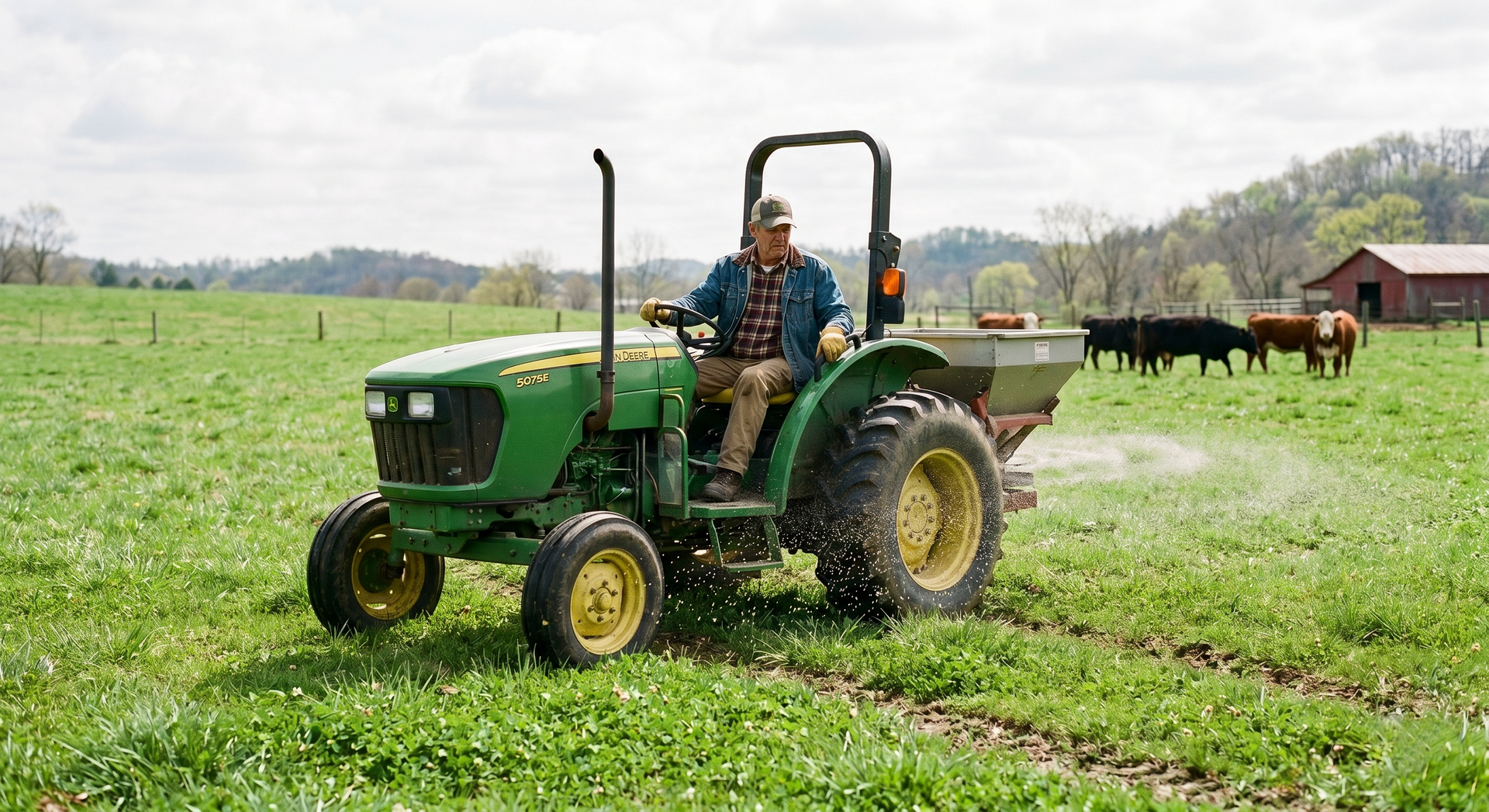
6. Uneven Fertilizer Application
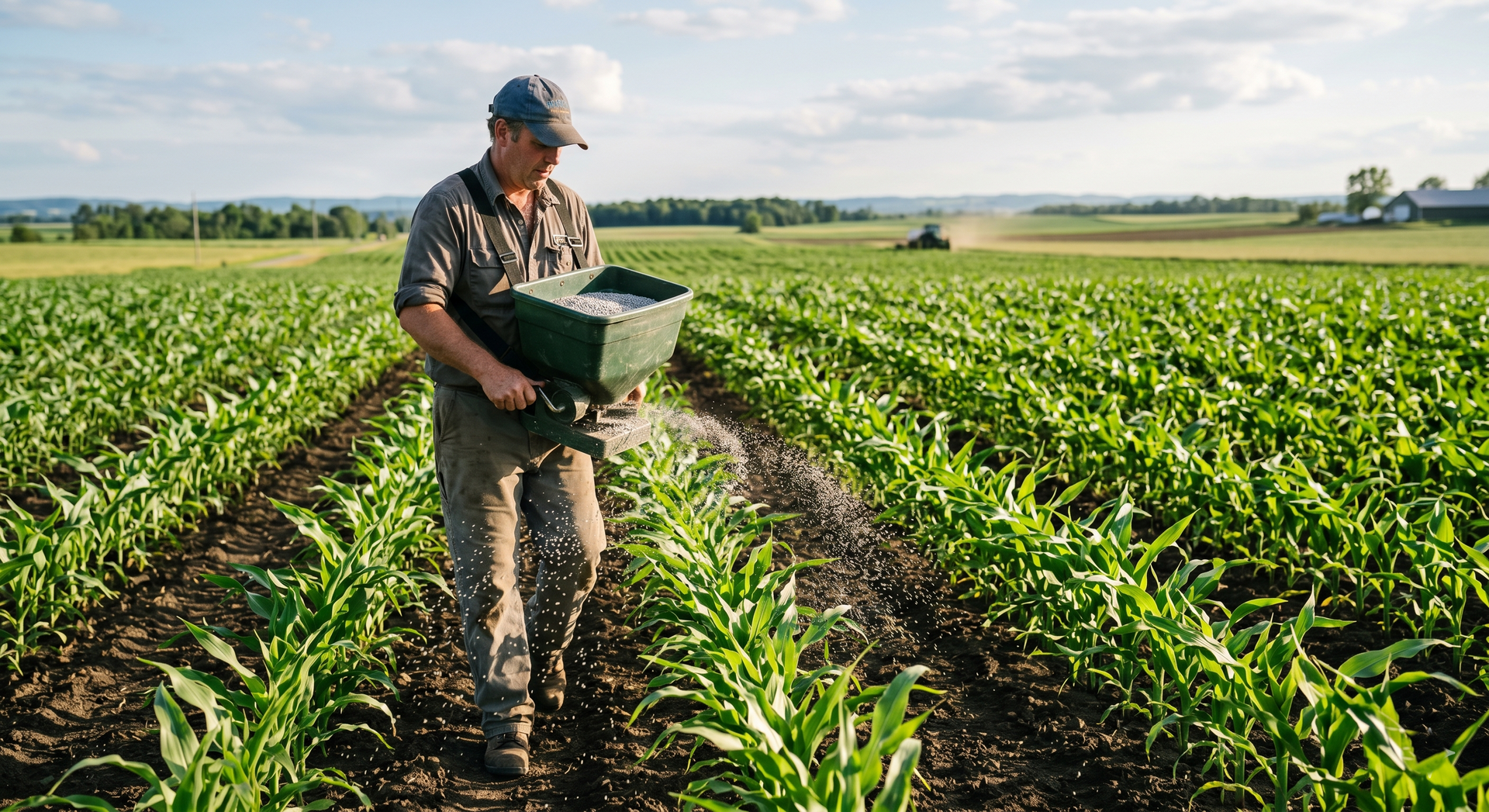
Uneven fertilizer distribution can lead to inconsistent crop growth across fields.
When fertilizer is not applied evenly, some areas receive too many nutrients while others receive too little.
This can result in:
- Patchy crop growth
- Lower yields
- Wasted fertilizer
Farmers should regularly calibrate fertilizer spreaders to ensure even distribution across fields.
7. Not Adjusting Fertilizer for Weather Conditions
Weather conditions play a major role in fertilizer effectiveness.
Applying fertilizer before heavy rainfall can cause nutrients to wash away before crops absorb them.
Farmers should monitor weather forecasts before fertilizing to reduce the risk of:
- Runoff
- Nutrient leaching
- Lost fertilizer investment
In Louisiana’s high rainfall climate, careful fertilizer timing is especially important.
8. Ignoring Crop-Specific Fertilizer Needs
Different crops require different fertilizer strategies.
For example:
- Bermudagrass hay fields require high nitrogen levels
- Pasture grasses require balanced nutrients
- Wildlife food plots may require different nutrient ratios
Applying the same fertilizer program across all crops can reduce productivity.
Custom fertilizer programs tailored to specific crops help farmers achieve better results.
9. Poor Fertilizer Storage Practices
Improper fertilizer storage can reduce product quality and effectiveness.
Exposure to moisture or humidity may cause fertilizer to:
- Clump together
- Lose effectiveness
- Become difficult to spread
Fertilizer should be stored in dry, protected environments to maintain its quality.
Proper storage also helps prevent environmental contamination and product loss.
10. Not Working with Local Agricultural Experts
Agriculture in Southwest Louisiana presents unique challenges, including:
- High rainfall
- Sandy or acidic soils
- Nutrient leaching
- Heat stress
Farmers who rely solely on generic fertilizer recommendations may struggle to achieve optimal results.
Working with local agricultural experts provides farmers with:
- Region-specific fertilizer advice
- Custom nutrient recommendations
- Soil testing services
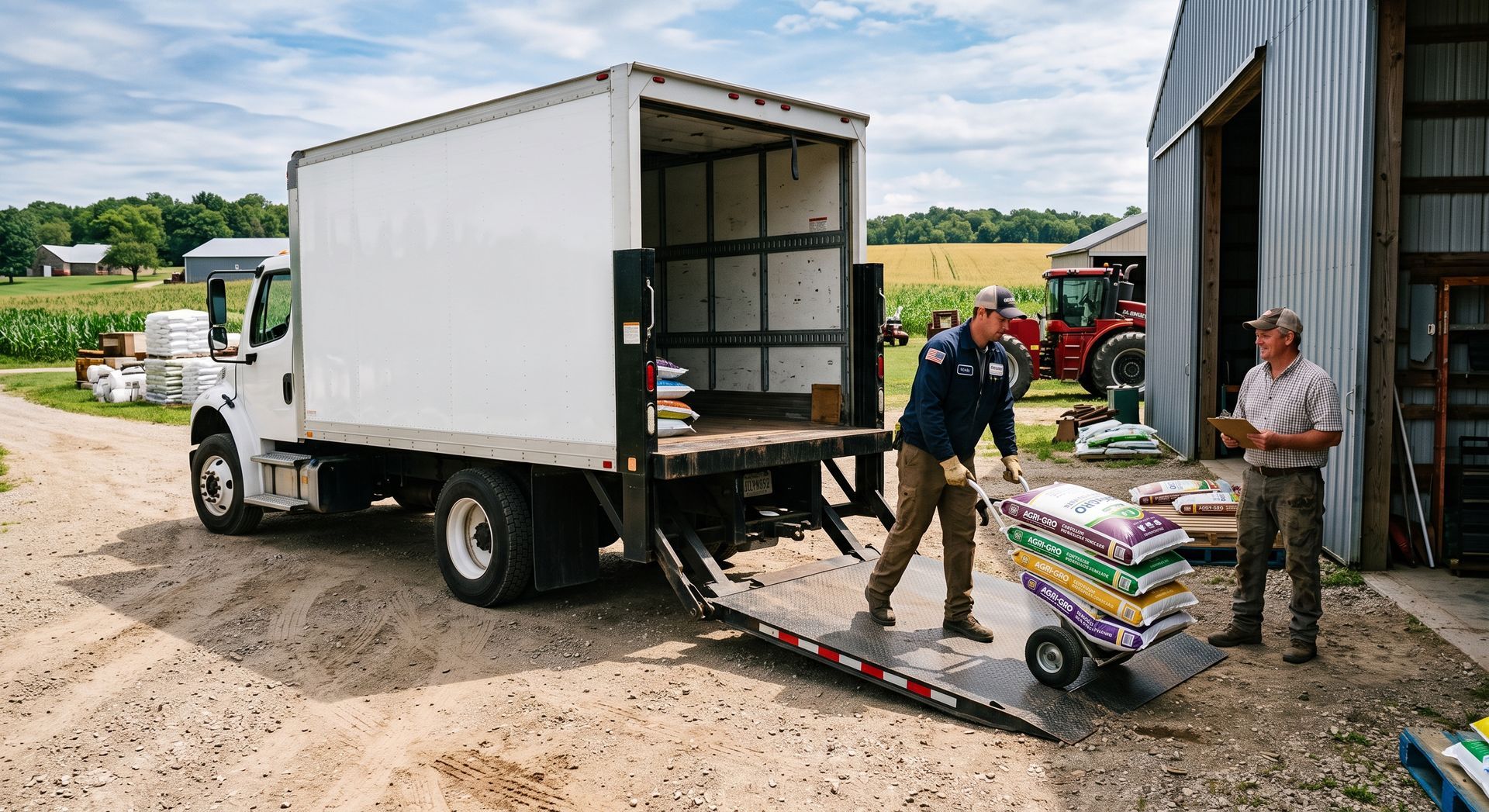
- Access to high-quality fertilizer products
Highland Growers has extensive experience helping farmers in DeRidder, Leesville, Merryville, and surrounding communities improve crop production.
How Custom Fertilizer Programs Improve Results
Custom fertilizer programs are designed specifically for individual fields based on soil test data and crop requirements.
These programs help farmers:
- Improve fertilizer efficiency
- Reduce unnecessary input costs
- Maximize crop yields
- Maintain long-term soil health
Highland Growers provides custom blend fertilizer solutions tailored to local soil conditions and farming practices.
By applying the right nutrients at the right time, farmers can significantly improve farm profitability.
FAQs About Fertilizer Application
How often should farmers test their soil?
Most experts recommend soil testing every two to three years to monitor soil fertility and nutrient levels.
Can too much fertilizer harm crops?
Yes. Excess fertilizer can damage plant roots, reduce nutrient efficiency, and increase production costs.
What is the most important fertilizer nutrient?
Nitrogen is typically the most important nutrient for plant growth, especially for grasses and hay fields.
Why is fertilizer timing important?
Applying fertilizer when crops are actively growing ensures nutrients are absorbed efficiently.
Can custom fertilizer blends improve crop yields?
Yes. Custom blends provide the exact nutrients crops need based on soil test results and crop requirements.
Get Expert Fertilizer Advice from Highland Growers
Avoiding common fertilizer mistakes can help farmers improve crop yields while reducing unnecessary costs.
Highland Growers provides farmers across DeRidder and Southwest Louisiana with:
- Custom fertilizer blends
- Soil testing and nutrient recommendations
- Seed and farm chemicals
- Wildlife food plot supplies
- State-certified truck scale services
Contact Highland Growers today to receive expert fertilizer recommendations tailored to your farm and soil conditions.