When to Fertilize Pastures in Louisiana for Maximum Growth
fertilizer timing tips from Highland Growers in DeRidder, LA.
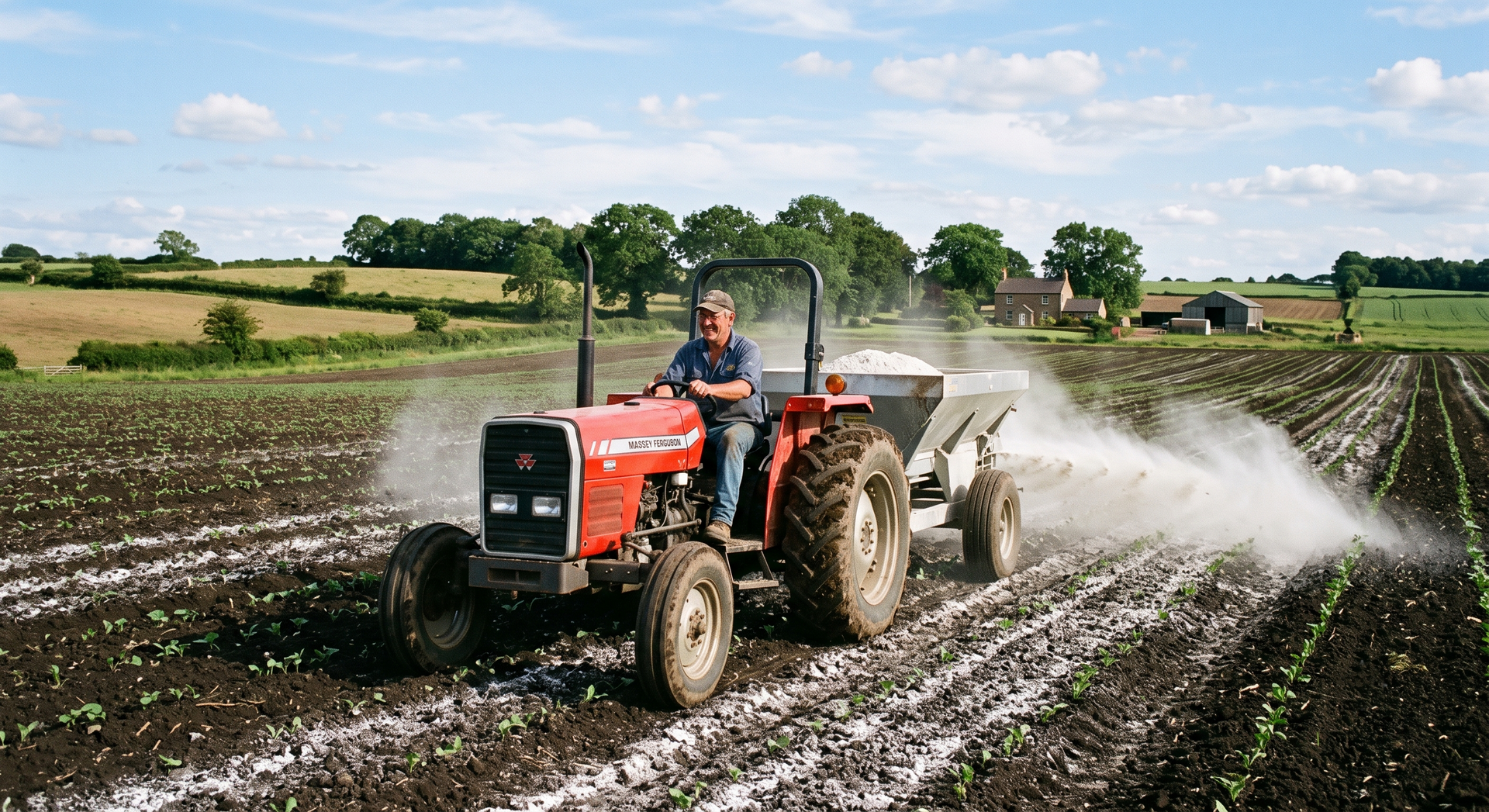
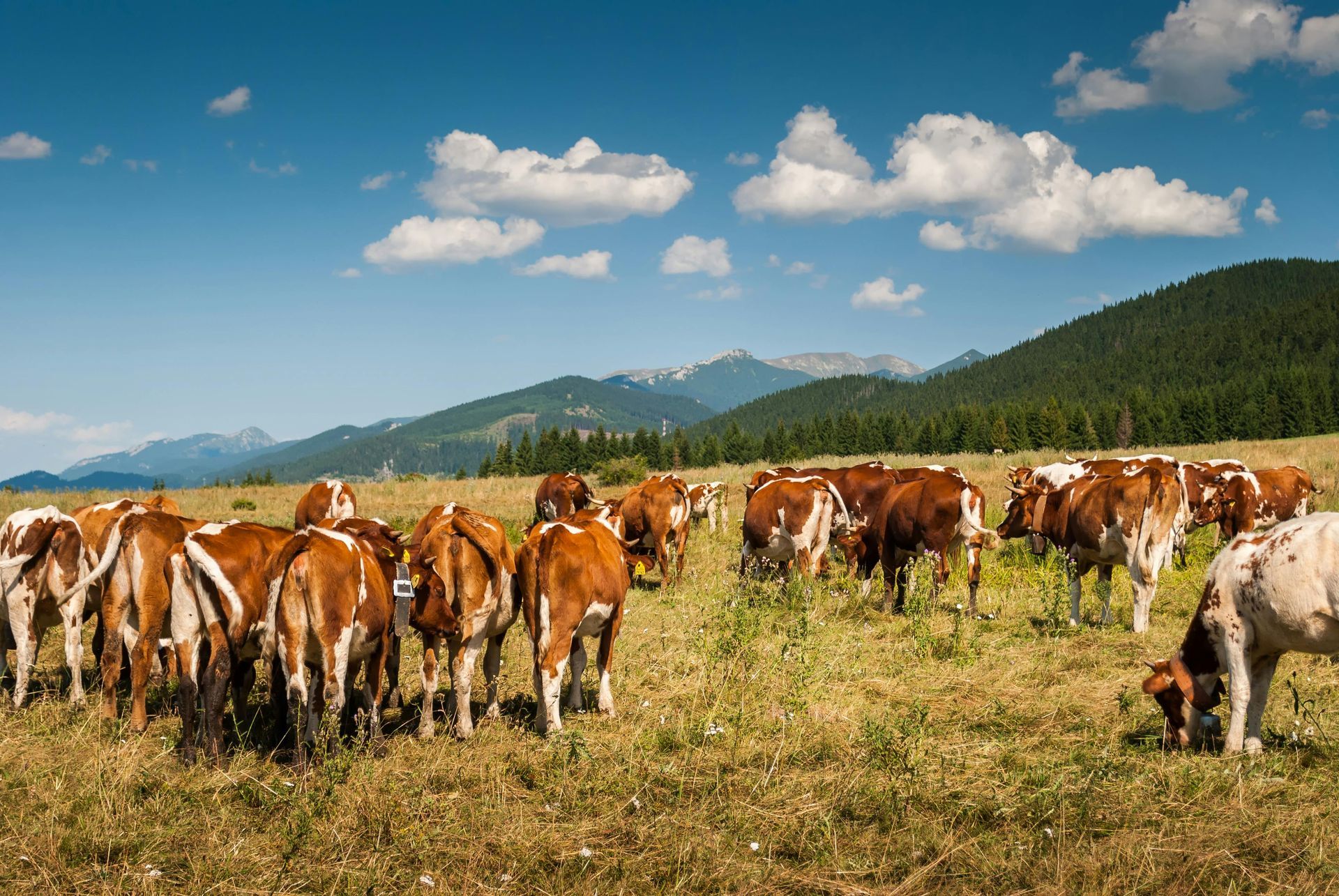
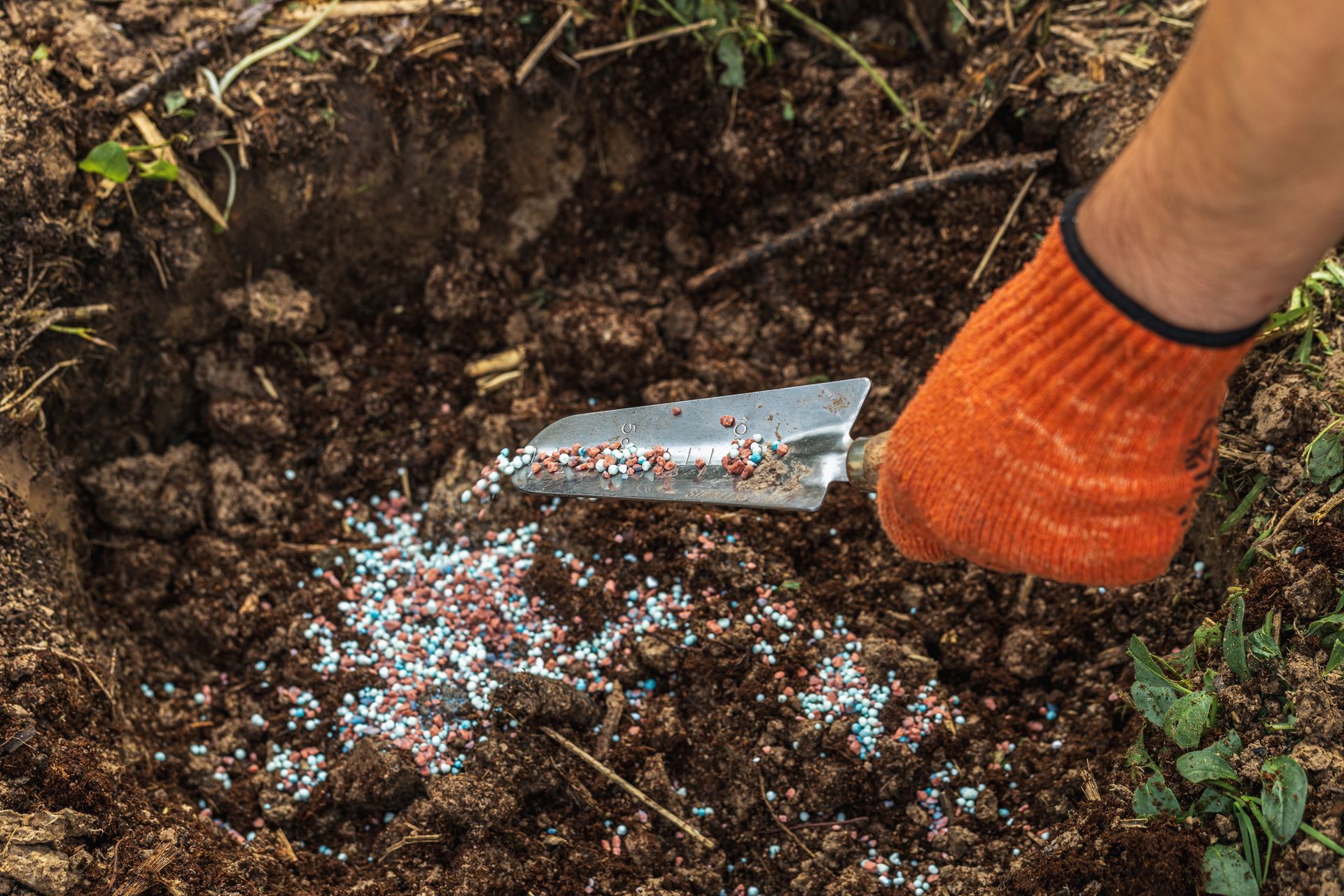
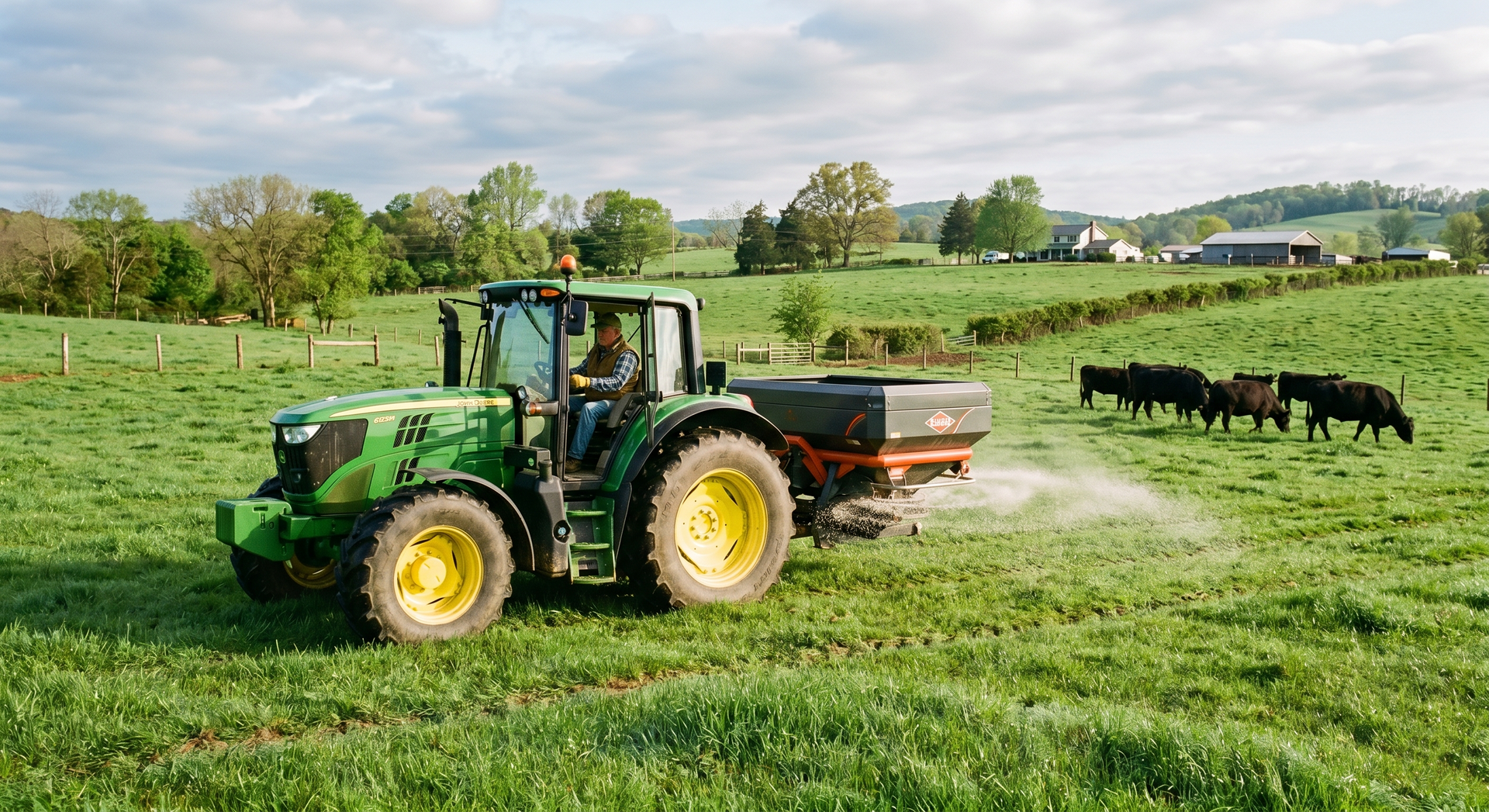
Knowing when to fertilize pastures in Louisiana is one of the most important factors for maintaining productive grazing land. The best time to fertilize depends on your pasture grass type, soil fertility, and seasonal weather conditions. In most cases, Louisiana cattle farmers should fertilize pastures in early spring when grass begins active growth and again during the growing season to support regrowth and forage production.
Farmers in DeRidder and across Southwest Louisiana can improve pasture yields significantly by following a consistent fertilization schedule supported by soil testing and customized fertilizer blends.
Why Fertilizer Timing Matters for Pasture Growth
Pastures require a steady supply of nutrients to maintain strong forage production throughout the growing season. Fertilizing at the wrong time can lead to wasted fertilizer, poor grass growth, and unnecessary expenses.
Proper fertilizer timing helps farmers:
- Maximize forage yield
- Improve pasture quality
- Strengthen root development
- Reduce weed competition
- Support consistent grazing for cattle
Applying fertilizer when grasses are actively growing ensures plants can absorb nutrients efficiently and convert them into healthy forage.
Key Nutrients Needed for Pastures
Before discussing timing, it’s important to understand the main nutrients that support pasture growth.
Nitrogen
Nitrogen is the primary nutrient responsible for grass growth.
Benefits include:
- Faster forage production
- Dark green color
- Increased protein levels for livestock feed
- Higher pasture yields
Nitrogen is typically applied multiple times during the growing season.
Phosphorus
Phosphorus supports plant energy production and root development.
It helps:
- Strengthen root systems
- Improve early-season growth
- Increase overall plant health
Fields with phosphorus deficiencies often show slow pasture development.
Potassium
Potassium improves plant durability and resistance to stress.
Benefits include:
- Better drought tolerance
- Increased disease resistance
- Stronger stems and grass structure
Potassium is especially important in
high rainfall areas where nutrients may leach from the soil.
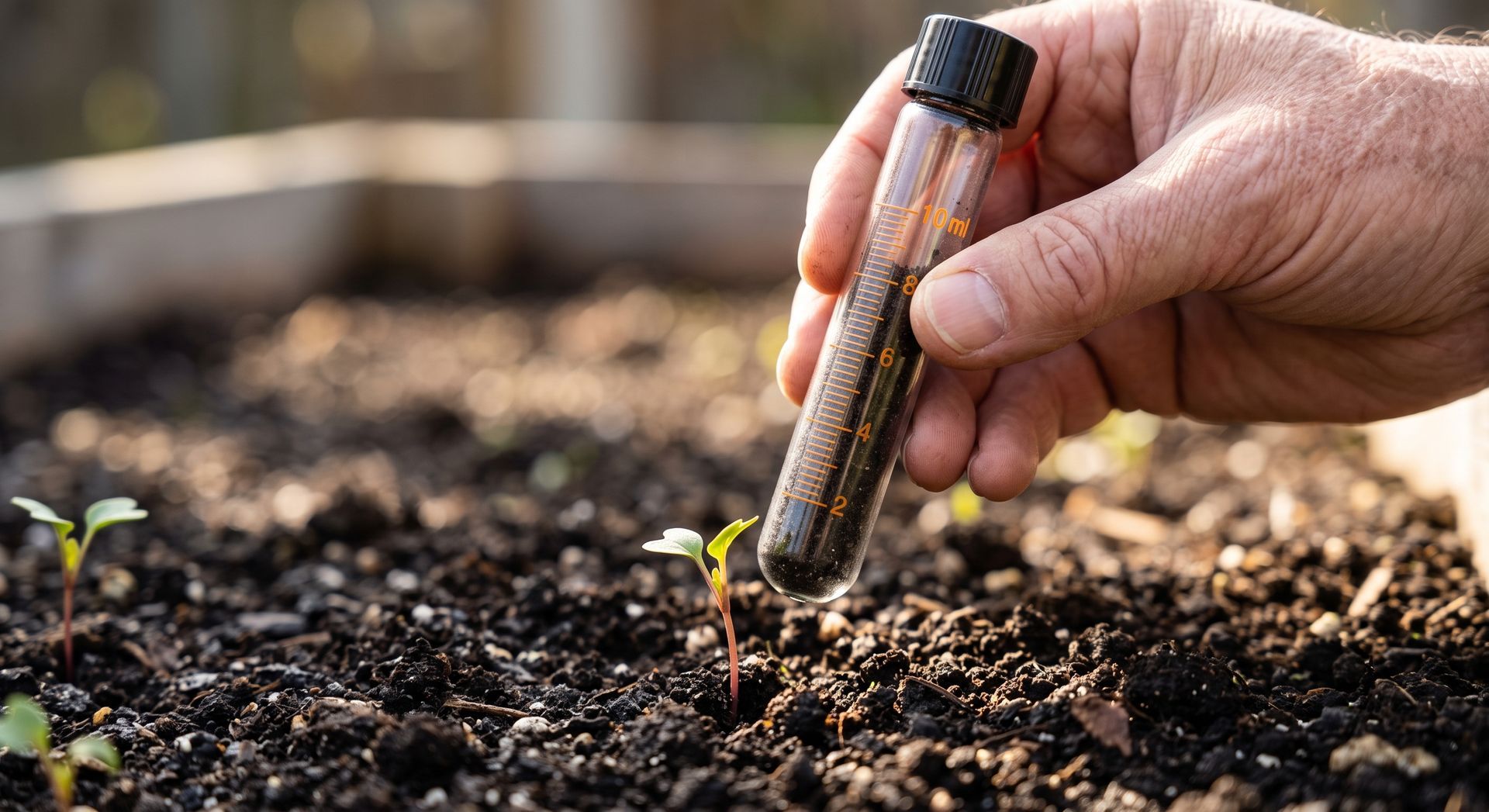
Start with Soil Testing
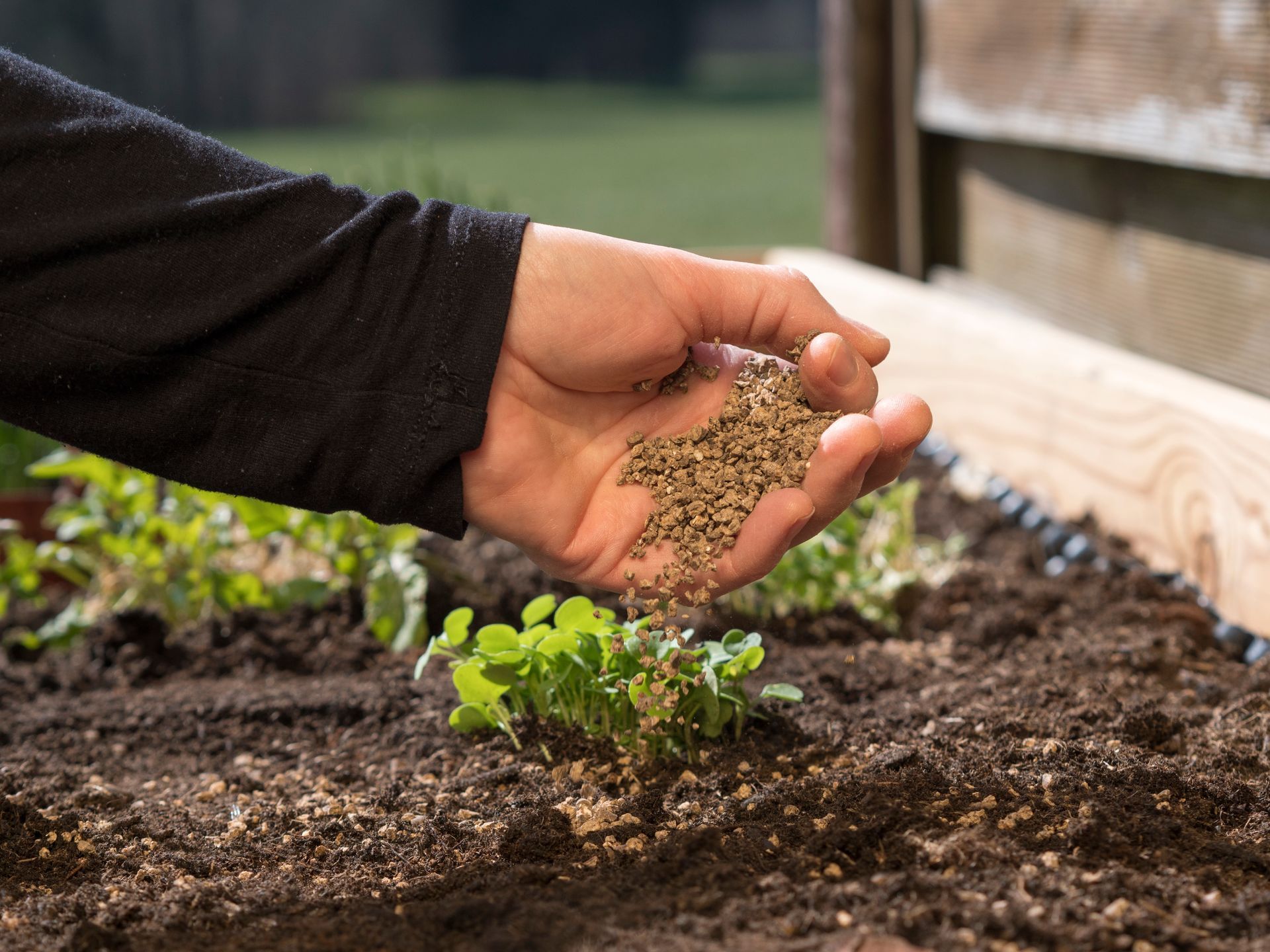
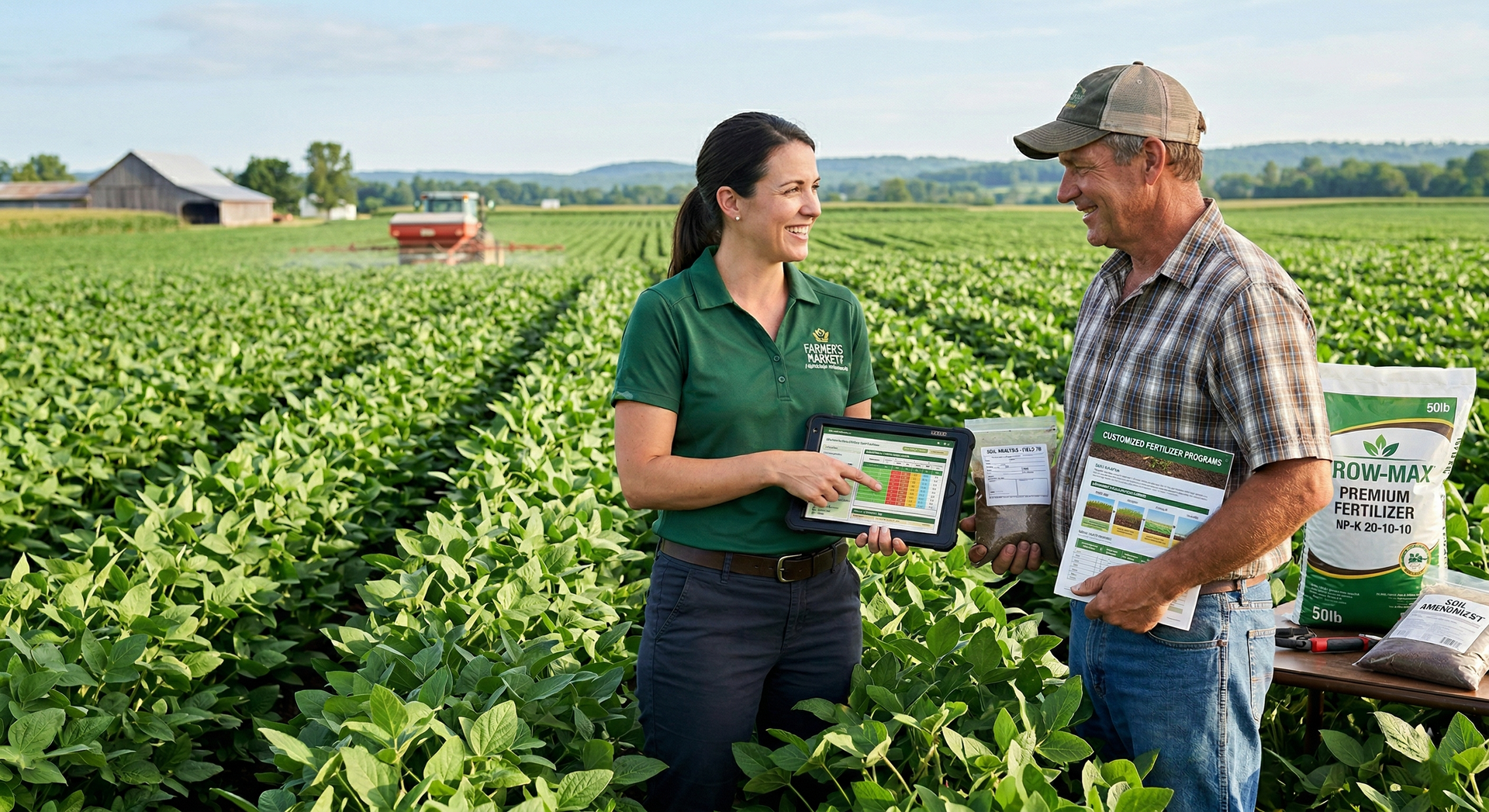
Before applying fertilizer, farmers should conduct a soil test to determine nutrient levels and pH balance.
Soil testing helps farmers:
- Identify nutrient deficiencies
- Avoid over-fertilizing
- Improve fertilizer efficiency
- Save money on unnecessary applications
Highland Growers offers soil testing services and custom nutrient
recommendations
for farmers across DeRidder and nearby communities.
[Highland Growers Soil Testing – https://www.highlandgrowers.com/]
According to the LSU AgCenter, soil testing should be performed every two to three years to maintain healthy pasture fertility.
[LSU AgCenter Soil Fertility Guide – https://www.lsuagcenter.com]
Best Times to Fertilize Pastures in Louisiana
Louisiana’s warm climate allows grasses to grow for much of the year, but fertilizer applications should be timed carefully.
Early Spring Fertilization
Early spring is one of the most important times to fertilize pastures.
As temperatures warm and grasses begin active growth, applying fertilizer helps stimulate strong forage production.
Benefits of spring fertilization include:
- Rapid grass growth
- Increased grazing availability
- Strong root development
- Improved early-season pasture health
For many Louisiana farmers, this application occurs between March and April.
Mid-Season Fertilization
Applying fertilizer during the growing season supports continued pasture productivity.
Farmers often apply nitrogen fertilizer after heavy grazing periods or when pasture growth begins to slow.
This application helps:
- Encourage grass regrowth
- Maintain forage availability
- Improve pasture density
Depending on grazing pressure, farmers may fertilize pastures two or three times during the growing season.
Fall Fertilization
In some cases, a fall fertilizer application can benefit pasture health.
Fall fertilization helps:
- Strengthen root systems before winter
- Improve plant resilience
- Support early spring growth
However, fall applications should be based on soil test recommendations to ensure nutrients are needed.
Fertilizer Programs for Common Louisiana Pasture Grasses
Different grass species require different fertilization strategies.
Bermudagrass Pastures
Bermudagrass is one of the most common pasture grasses in Louisiana.
Because it grows quickly and produces high forage yields, Bermudagrass requires regular nitrogen fertilization.
Typical fertilization schedule:
- Early spring application
- Mid-season nitrogen applications
- Occasional potassium supplementation
Proper fertilization allows Bermudagrass to produce excellent grazing and hay production.
Bahia Grass Pastures
Bahia grass is known for its durability and lower fertilizer requirements.
While it produces lower yields than Bermudagrass, it performs well in sandy soils common in Southwest Louisiana.
Bahia grass typically requires:
- Moderate nitrogen applications
- Occasional phosphorus or potassium based on soil tests
This grass is often used for low-maintenance grazing pastures.
Ryegrass (Cool-Season Forage)
Many Louisiana farmers overseed ryegrass into warm-season pastures to provide winter and early spring grazing.
Ryegrass benefits from fertilization during:
- Fall establishment
- Late winter growth stages
Proper fertilization improves forage availability during cooler months when warm-season grasses are dormant.
Signs Your Pasture Needs Fertilizer
Farmers should monitor pastures regularly for signs of nutrient deficiency.
Common warning signs include:
- Pale or yellow grass
- Slow regrowth after grazing
- Thin pasture stands
- Increased weed presence
- Reduced forage production
Addressing these issues quickly with proper fertilization can restore pasture productivity.
Benefits of Custom Blend Fertilizer
Not all pastures require the same fertilizer mix. Soil conditions, grass species, and grazing intensity all influence nutrient needs.
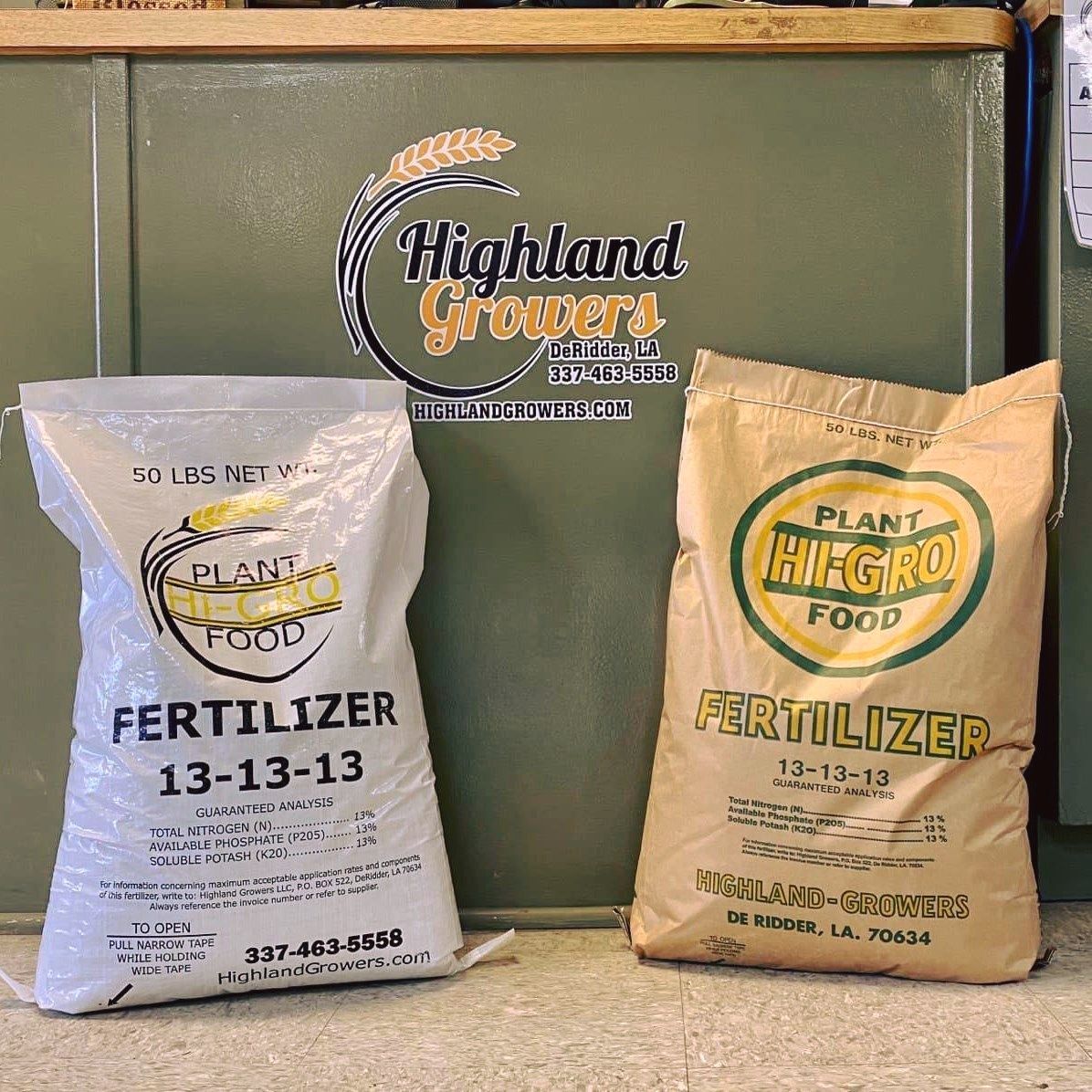
Highland Growers offers custom blend fertilizer programs designed specifically for Louisiana farms.
Custom blends provide:
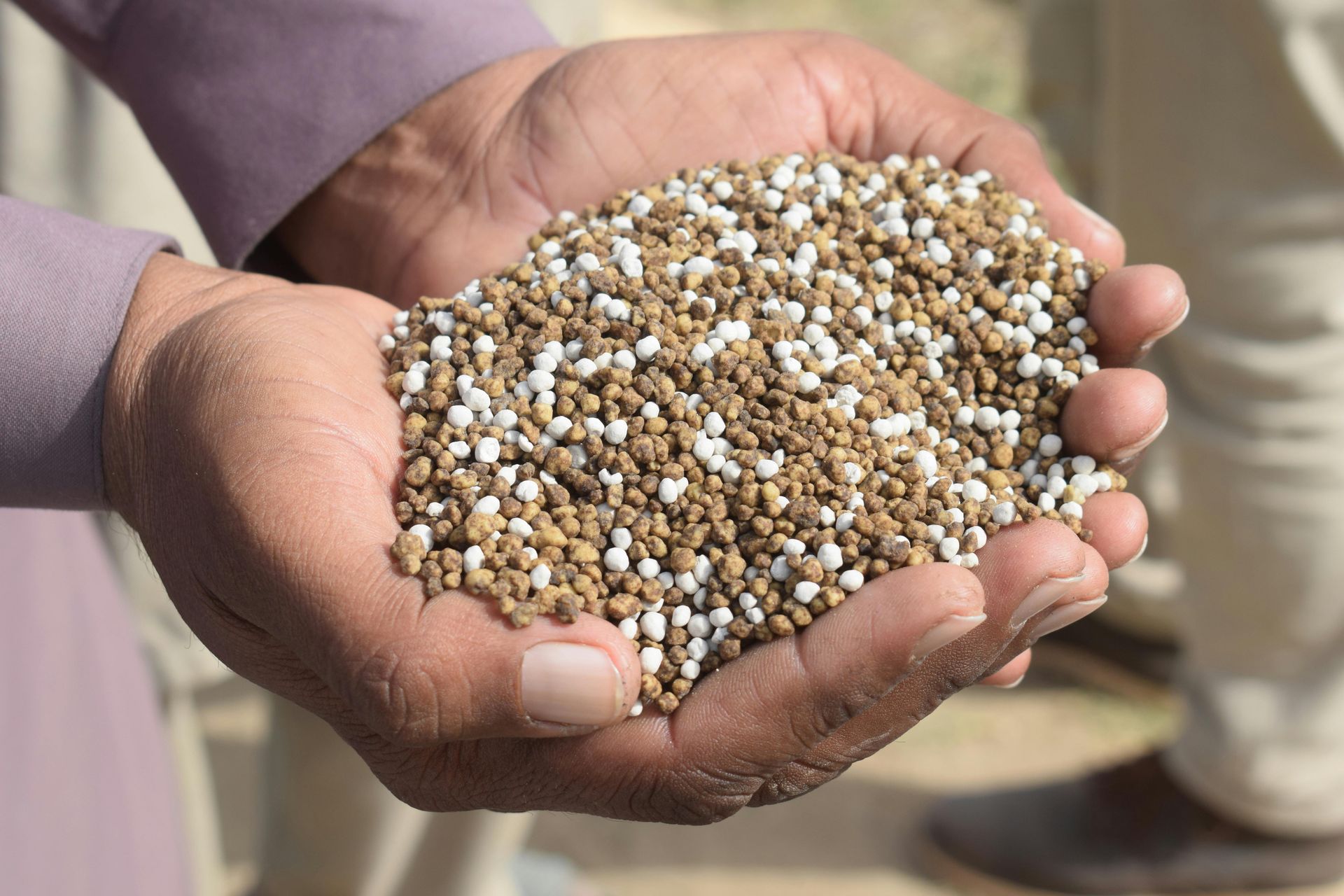
- Precise nutrient ratios
- Improved fertilizer efficiency
- Better crop performance
- Reduced fertilizer waste
By tailoring fertilizer programs to local soil conditions, farmers can achieve better pasture results while controlling input costs.
Learn more about custom fertilizer services:
[Custom Blend Fertilizer – https://www.highlandgrowers.com/]
Common Fertilization Mistakes to Avoid
Even experienced farmers sometimes make fertilization mistakes that reduce pasture productivity.
Common mistakes include:
- Fertilizing without soil testing
- Applying fertilizer during drought conditions
- Using incorrect nutrient ratios
- Over-fertilizing pastures
- Ignoring soil pH issues
Working with agricultural experts can help farmers develop more effective fertilizer programs.
Local Expertise for Southwest Louisiana Farmers
Farmers in Beauregard Parish and surrounding areas face unique soil conditions that influence pasture management strategies.
Highland Growers has extensive experience serving farmers across:
- DeRidder
- Leesville
- Merryville
- DeQuincy
- Southwest Louisiana
Their agricultural services include:
- Custom fertilizer blending
- Soil testing and nutrient recommendations
- Seed supply
- Farm chemicals
- Wildlife food plot supplies
- State-certified truck scale services
Local knowledge helps farmers make better decisions about fertilizer timing and pasture management.
FAQs About Fertilizing Pastures
When should I fertilize my pasture in Louisiana?
Most Louisiana pastures benefit from fertilizer applications in early spring and during the growing season when grasses are actively growing.
How often should pastures be fertilized?
Pastures are typically fertilized
one to three times per year, depending on grazing intensity and soil fertility.
Is nitrogen the most important pasture fertilizer?
Yes. Nitrogen is the primary nutrient responsible for grass growth and forage production.
Do I need soil testing before fertilizing?
Yes. Soil testing helps farmers determine exactly which nutrients are needed and prevents unnecessary fertilizer use.
Can custom fertilizer blends improve pasture production?
Absolutely. Custom fertilizer blends ensure pastures receive the right nutrients based on soil conditions and grass types.
Get Expert Fertilizer Recommendations for Your Pastures
If you want healthier pastures and stronger forage production in DeRidder or Southwest Louisiana, Highland Growers can help.
Their team provides soil testing, custom fertilizer blends, seed, and farm chemicals to support successful pasture management.
Contact Highland Growers today to receive custom fertilizer recommendations designed specifically for your pasture and soil conditions.