The Best Fertilizer Strategy for Deer Food Plots in Louisiana
The Best Fertilizer Strategy for Louisiana Deer Food Plots

Creating a productive deer food plot requires more than just planting seed. Soil fertility plays a major role in how well food plots grow and how attractive they become to wildlife. The best fertilizer strategy for deer food plots in Louisiana includes soil testing, proper lime application, balanced fertilizer nutrients, and correct planting timing.
Hunters and landowners in DeRidder and Southwest Louisiana often rely on agricultural suppliers like Highland Growers for fertilizer, seed, and soil improvement products that help produce healthy food plots that attract deer and other wildlife.
Why Fertilizer Is Important for Deer Food Plots
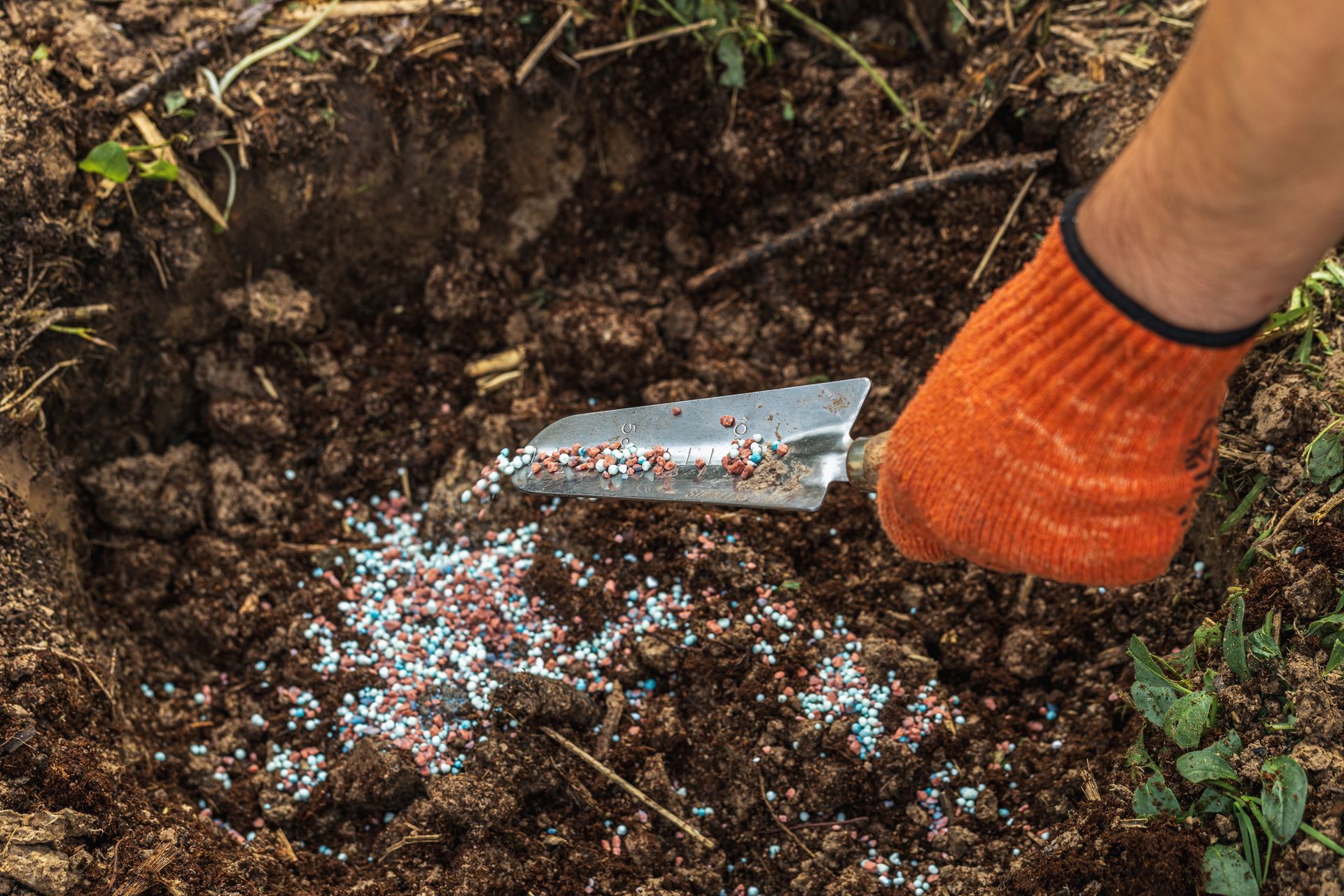
Deer food plots must grow quickly and produce nutritious forage to attract wildlife. Without proper fertilization, many food plot crops struggle to establish healthy growth.
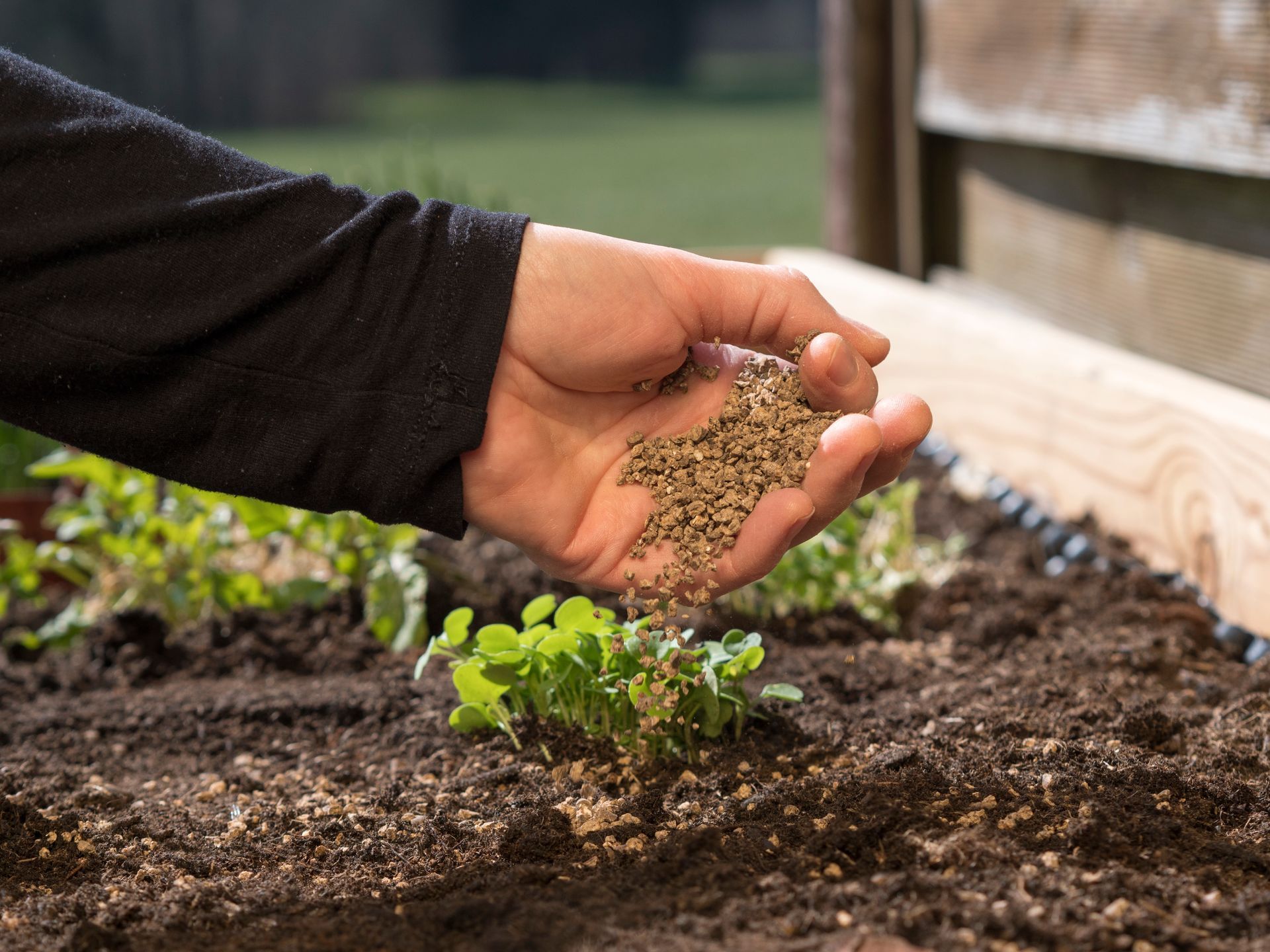
Fertilizing food plots helps:
- Increase plant growth
- Improve forage nutrition
- Attract more deer
- Support stronger plant roots
- Extend food plot productivity
Healthy food plots not only improve hunting success but also provide valuable nutrition for wildlife throughout the year.
Step 1: Start with Soil Testing
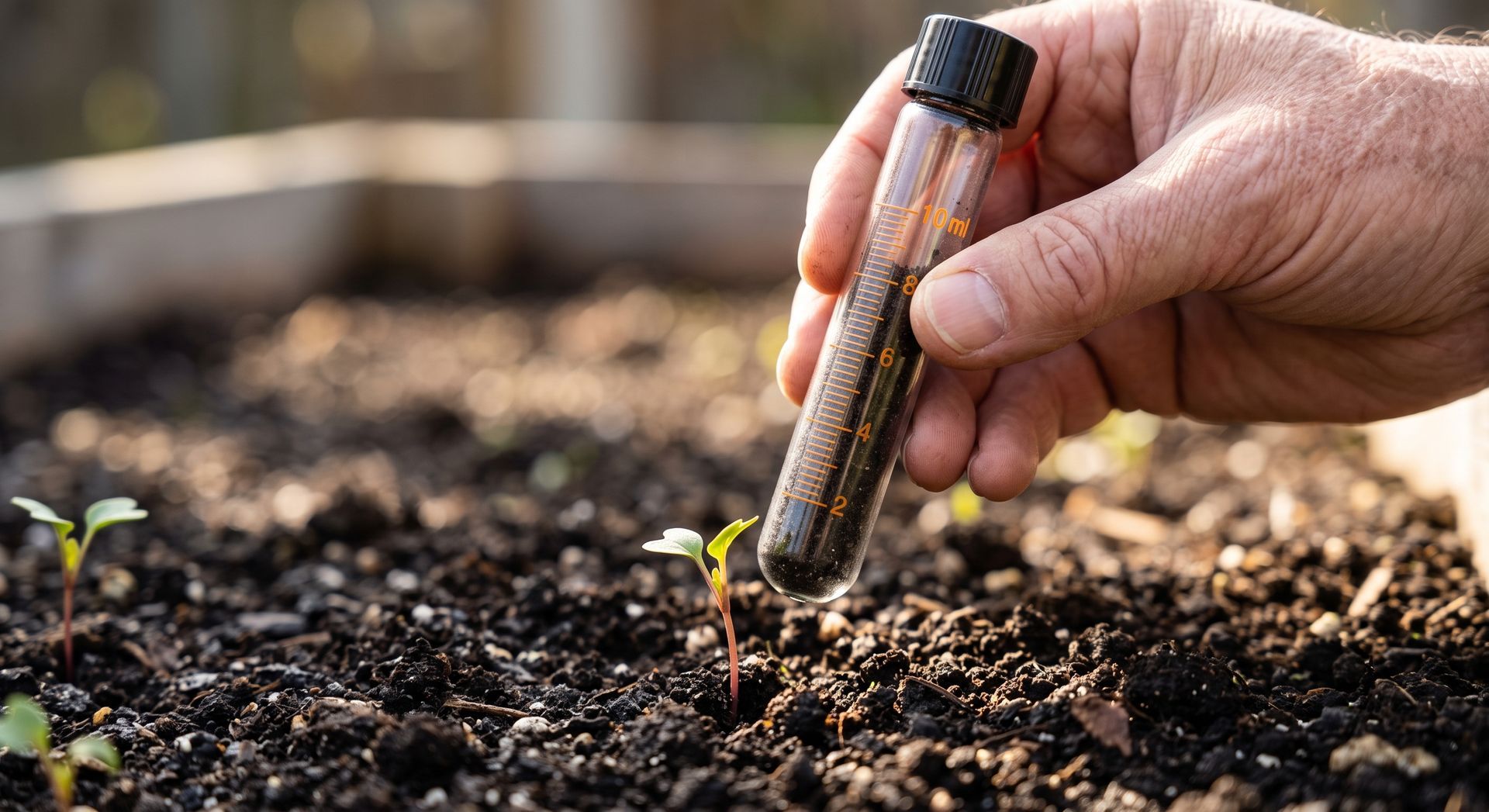
The most important step in developing a fertilizer plan is conducting a soil test.
Soil testing reveals:
- Soil pH levels
- Nutrient deficiencies
- Fertilizer recommendations
- Lime requirements
Without soil testing, hunters may apply fertilizer that the soil does not actually need.
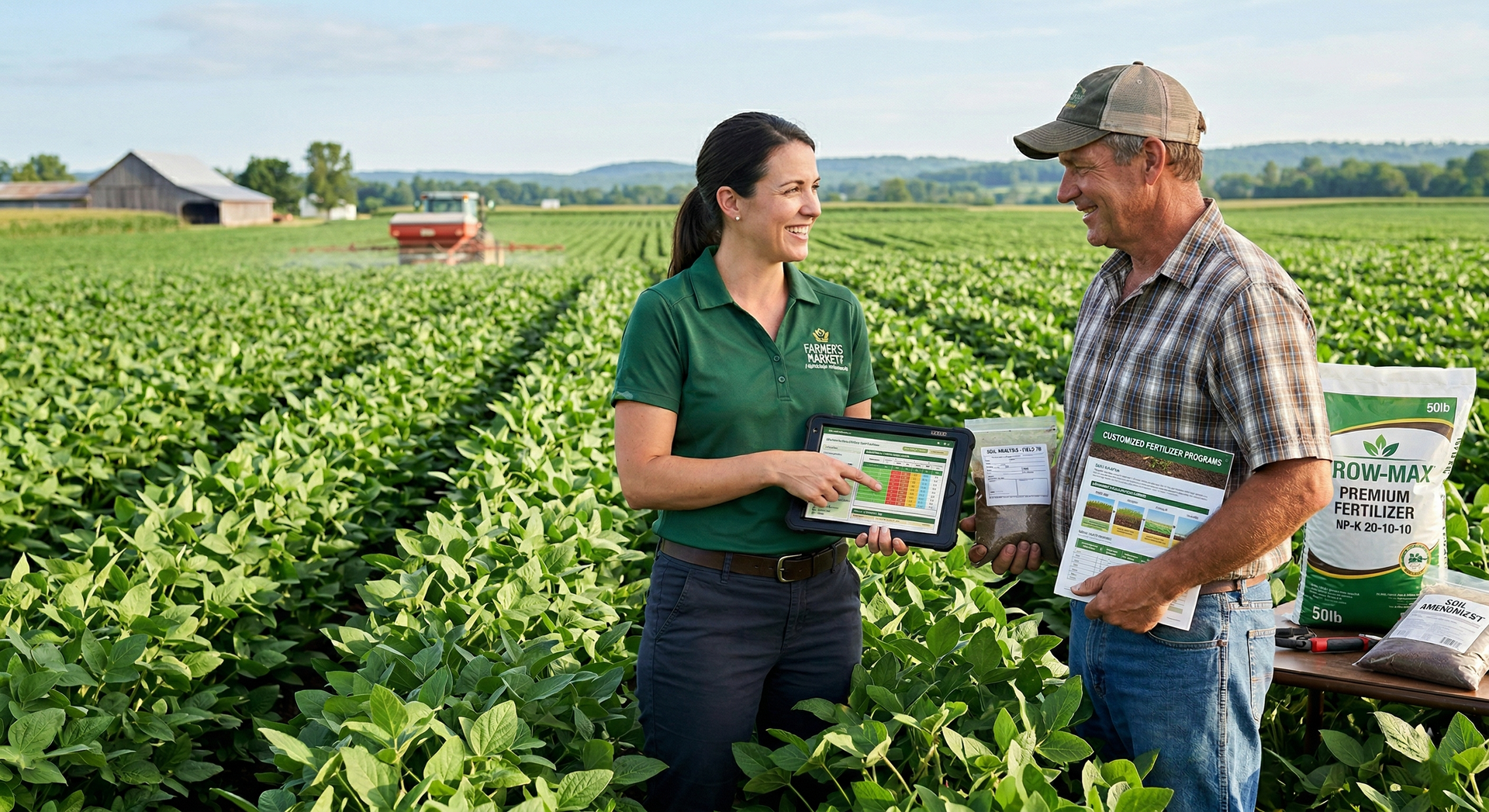
Highland Growers provides
soil testing and nutrient recommendations for farmers, landowners, and hunters across Southwest Louisiana.
[Soil Testing Services –https://www.highlandgrowers.com/soil-testing]
According to the
LSU AgCenter, soil testing is essential for maximizing crop growth and fertilizer efficiency.
[LSU AgCenter Soil Fertility Guide – https://www.lsuagcenter.com]
Step 2: Apply Lime if Soil Is Acidic
Many Louisiana soils are naturally acidic, which can prevent plants from absorbing nutrients properly.
Applying agricultural lime helps:
- Raise soil pH
- Improve nutrient availability
- Enhance fertilizer effectiveness
- Promote stronger plant growth
Food plot crops typically grow best when soil pH falls between 6.0 and 7.0.
Because lime takes time to react with soil, it should ideally be applied
several months before planting.
Step 3: Choose the Right Fertilizer Nutrients
Food plot crops require a balanced supply of nutrients to grow successfully.
The three main nutrients include:
Nitrogen (N)
Nitrogen supports leaf growth and overall plant development.
Benefits include:
- Rapid plant growth
- Dark green foliage
- Increased forage production
Nitrogen is especially important for grasses and grain crops planted in food plots.
Phosphorus (P)
Phosphorus promotes strong root development and early plant growth.
Benefits include:
- Better seedling establishment
- Strong root systems
- Improved plant energy production
Phosphorus is particularly important when planting new food plots.
Potassium (K)
Potassium strengthens plants and improves resistance to environmental stress.
Benefits include:
- Improved drought tolerance
- Increased disease resistance
- Stronger plant structure
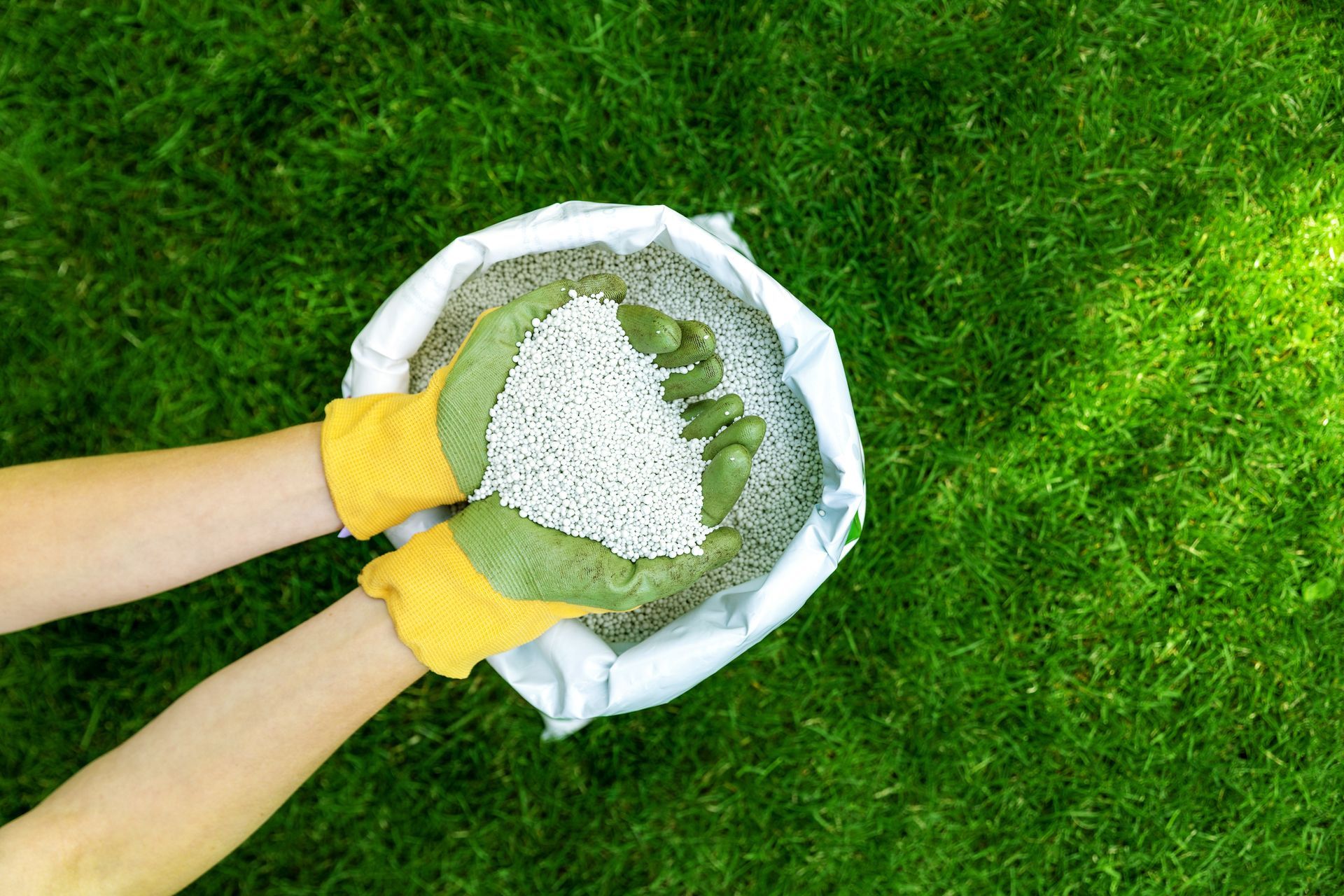
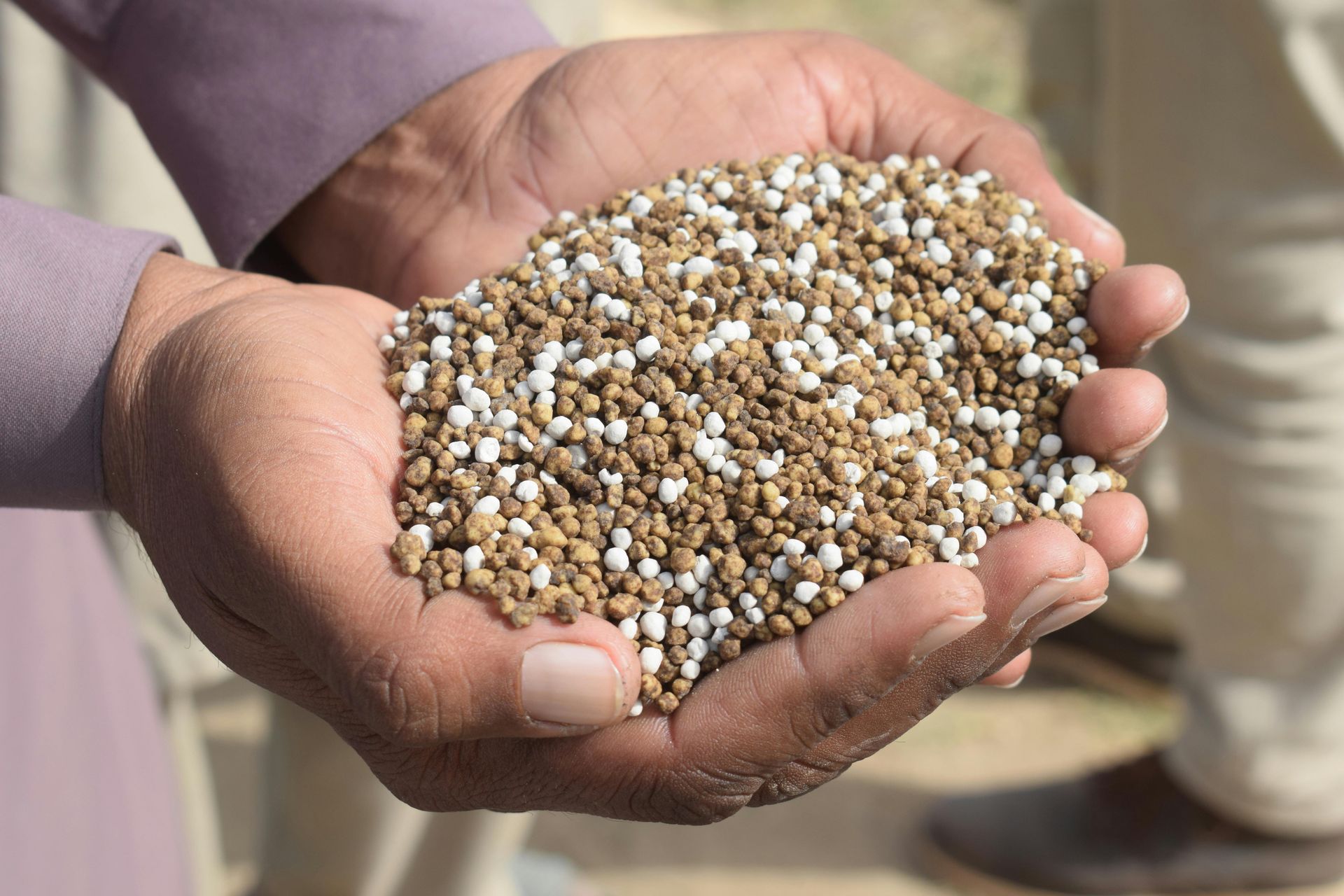
Balanced fertilizers containing these nutrients support strong food plot growth.
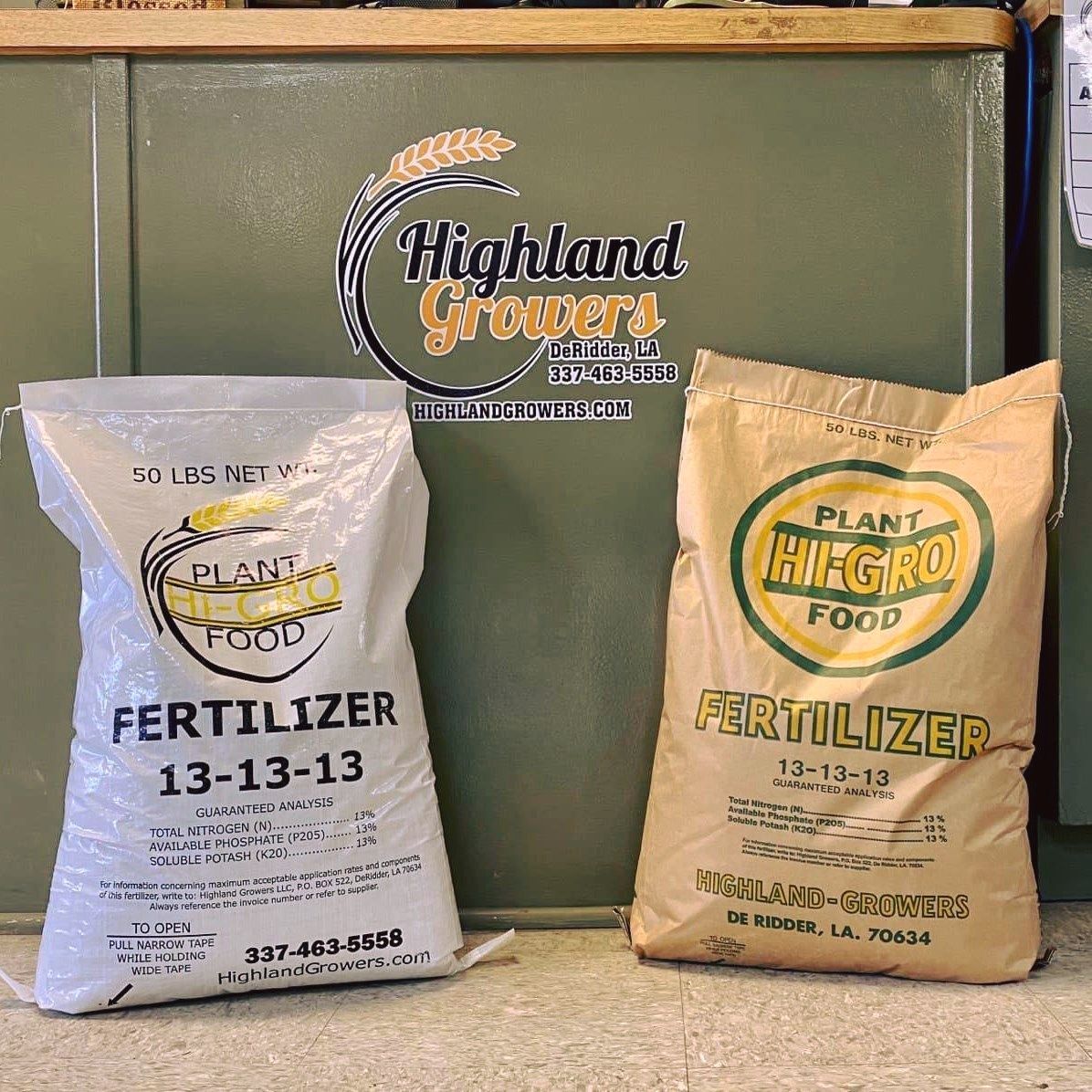
Highland Growers provides
custom fertilizer blends designed for Louisiana soil conditions.
[Custom Fertilizer Blends –
https://www.highlandgrowers.com/custom-blend-fertilizer]
Best Crops for Louisiana Deer Food Plots
Different crops may require slightly different fertilizer strategies.
Some of the most popular food plot crops in Louisiana include:
- Clover
- Winter wheat
- Oats
- Ryegrass
- Brassicas
Each crop provides valuable forage for deer and other wildlife.
Many hunters plant a combination of crops to provide
year-round food sources.
Fertilizer Timing for Food Plots
Applying fertilizer at the right time ensures crops receive nutrients when they need them most.
Pre-Plant Fertilization
Many food plots benefit from fertilizer applied before planting.
Pre-plant fertilization helps:
- Improve seedling establishment
- Encourage early plant growth
- Strengthen root systems
Mid-Season Fertilization
Some crops benefit from additional fertilizer during the growing season.
This helps maintain plant health and extend food plot productivity.
Soil Preparation for Food Plots
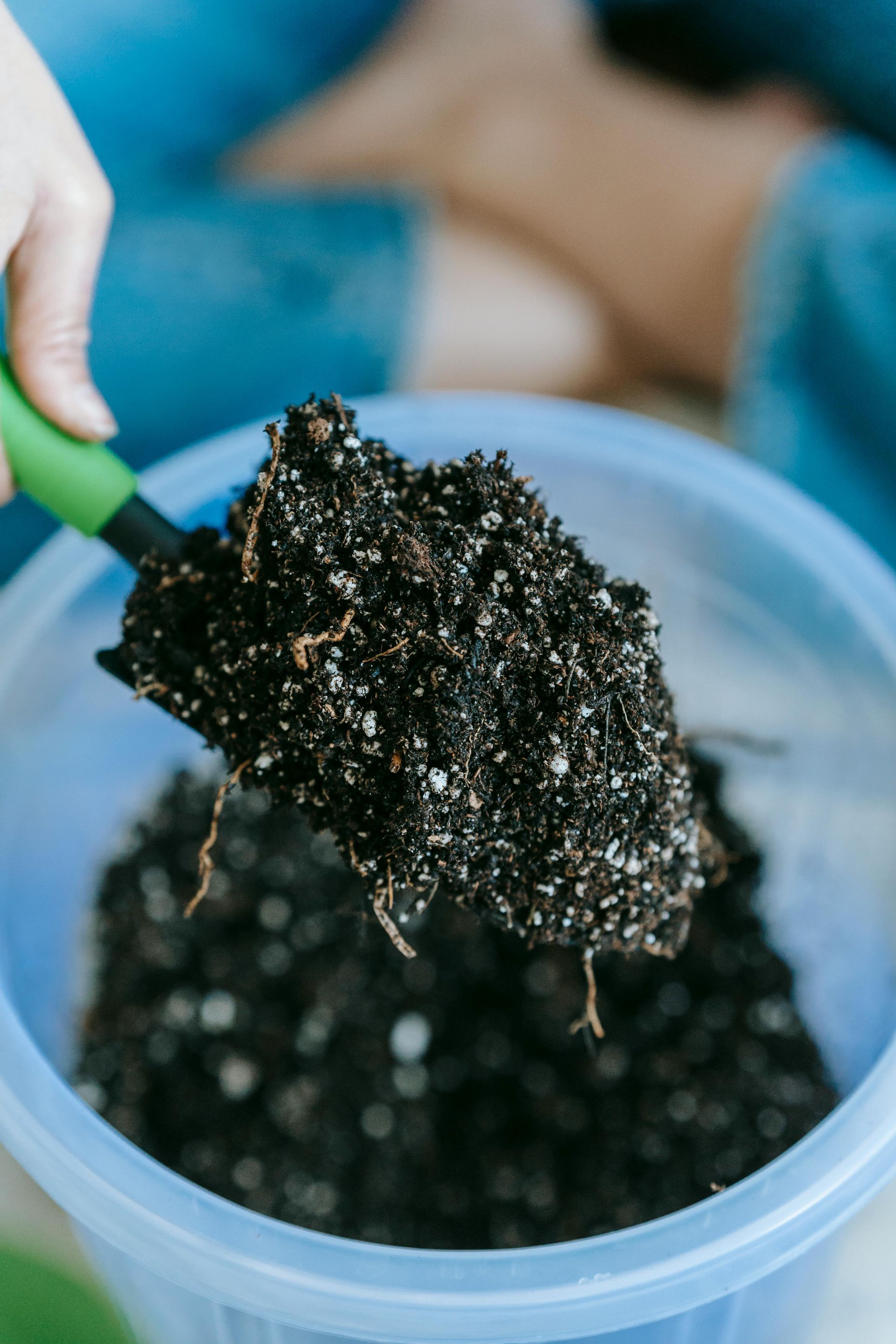
Proper soil preparation improves seed germination and crop success.
Hunters preparing food plots should:
- Clear vegetation from the planting area
- Test soil fertility
- Apply lime if necessary
- Apply fertilizer according to recommendations
- Prepare a smooth seedbed for planting
These steps create optimal growing conditions for food plot crops.
Common Food Plot Fertilization Mistakes
Many food plot failures occur because of simple fertilization mistakes.
Common mistakes include:
- Skipping soil testing
- Ignoring soil pH levels
- Using the wrong fertilizer ratio
- Applying fertilizer at the wrong time
- Planting crops unsuited to local soil conditions
Avoiding these mistakes can significantly improve food plot success.
Benefits of Working with a Local Agricultural Supplier
Local agricultural suppliers understand the soil conditions and climate challenges specific to Louisiana.
Hunters and landowners near DeRidder, Leesville, Merryville, and surrounding communities often rely on Highland Growers for food plot supplies and agricultural advice.
Highland Growers offers:
- Fertilizer products
- Custom fertilizer blending
- Soil testing services
- Seed for food plots
- Farm chemicals
- Wildlife plot recommendations
- State-certified truck scale services
Local expertise helps hunters create food plots that produce reliable forage for wildlife.
Tips for Growing Successful Food Plots
Hunters and landowners can improve food plot success by following a few key practices.
Plant During the Right Season
Many Louisiana food plots are planted during
early fall to provide winter forage.
Use High-Quality Seed
Quality seed improves germination and crop performance.
Maintain Soil Fertility
Regular fertilization and soil testing help maintain productive food plots.
Monitor Food Plot Growth
Checking food plots regularly helps identify problems early.
Rotate Crops
Planting different crops each season helps maintain soil health.
FAQs About Fertilizing Deer Food Plots
Do deer food plots require fertilizer?
Yes. Fertilizer provides nutrients that help food plot crops grow quickly and produce nutritious forage.
What fertilizer is best for food plots?
The best fertilizer depends on soil conditions and crop type. Soil testing helps determine the correct nutrient ratios.
When should food plots be fertilized?
Many food plots benefit from fertilizer applied
before planting and occasionally during the growing season.
Does lime help deer food plots grow better?
Yes. Lime improves soil pH and helps plants absorb nutrients more efficiently.
Can poor soil ruin a food plot?
Yes. Poor soil fertility can prevent food plot crops from growing properly, making soil testing essential.
Build Better Food Plots with Highland Growers
If you want to create productive deer food plots in DeRidder or Southwest Louisiana, Highland Growers can help.
Their team provides seed, fertilizer, soil testing, and agricultural expertise to help hunters and landowners grow successful food plots.
Contact Highland Growers today to receive
custom fertilizer and planting recommendations for your wildlife food plots.