Best Fertilizer Programs for Hay Fields in Southwest Louisiana

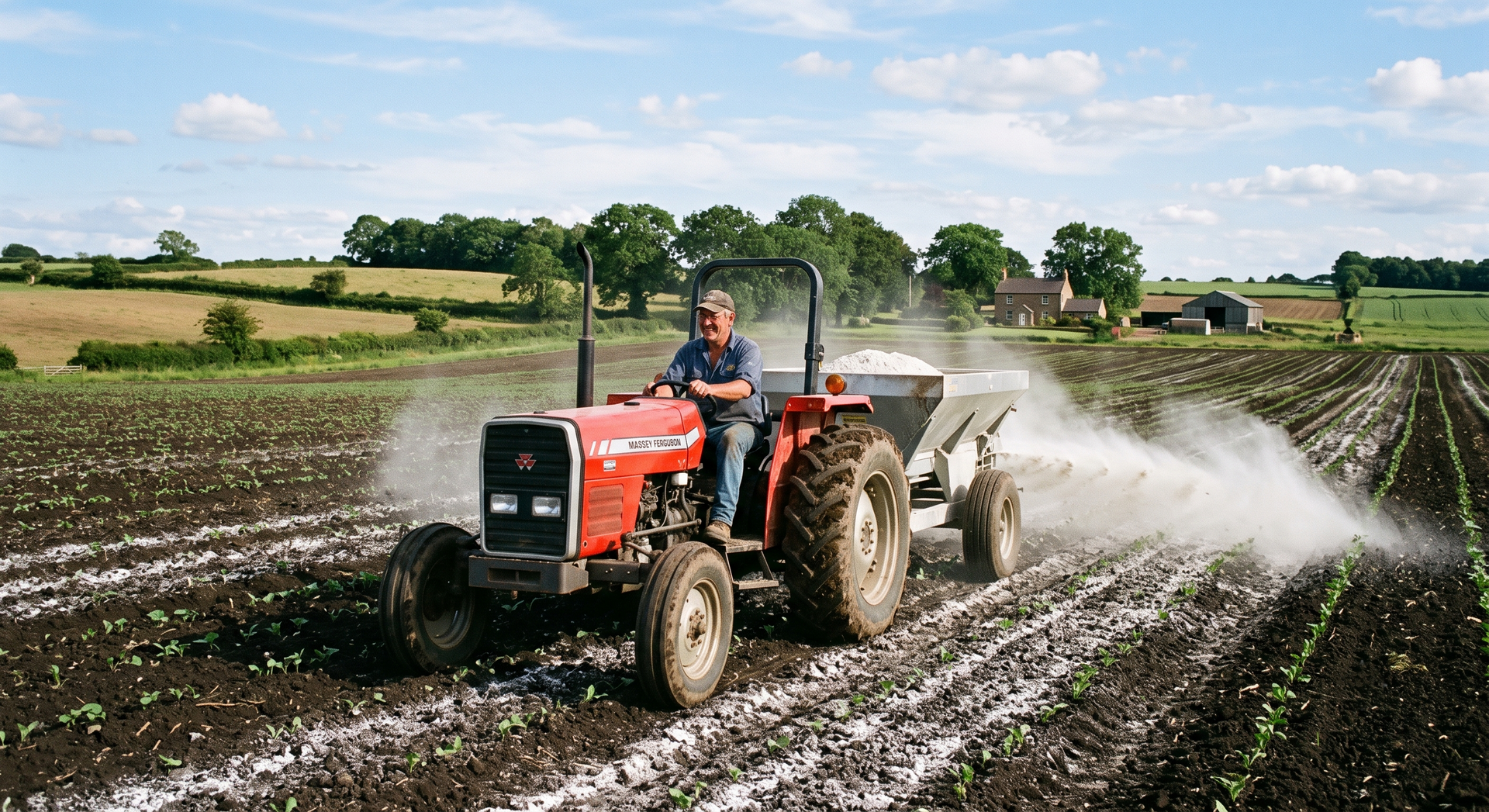
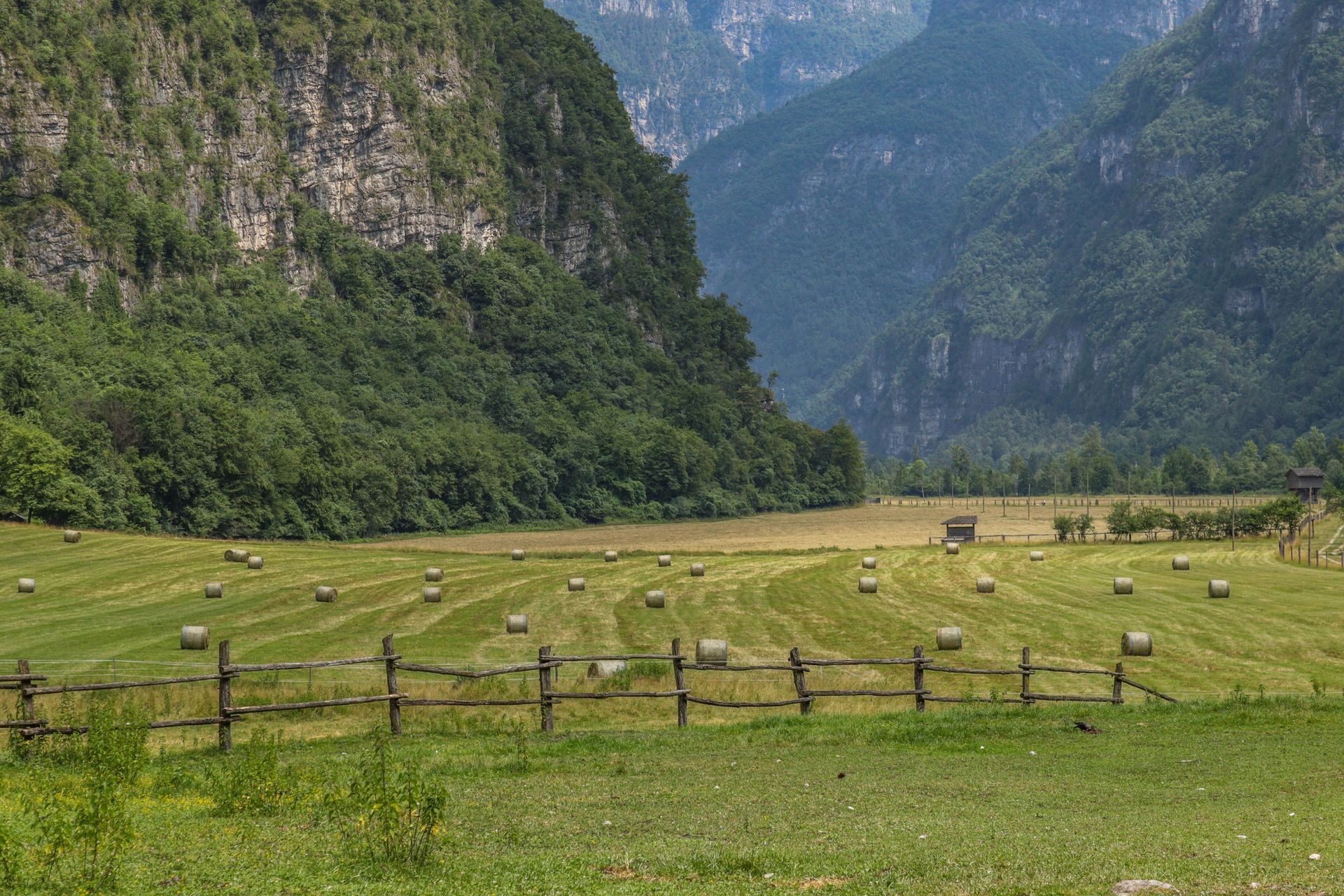
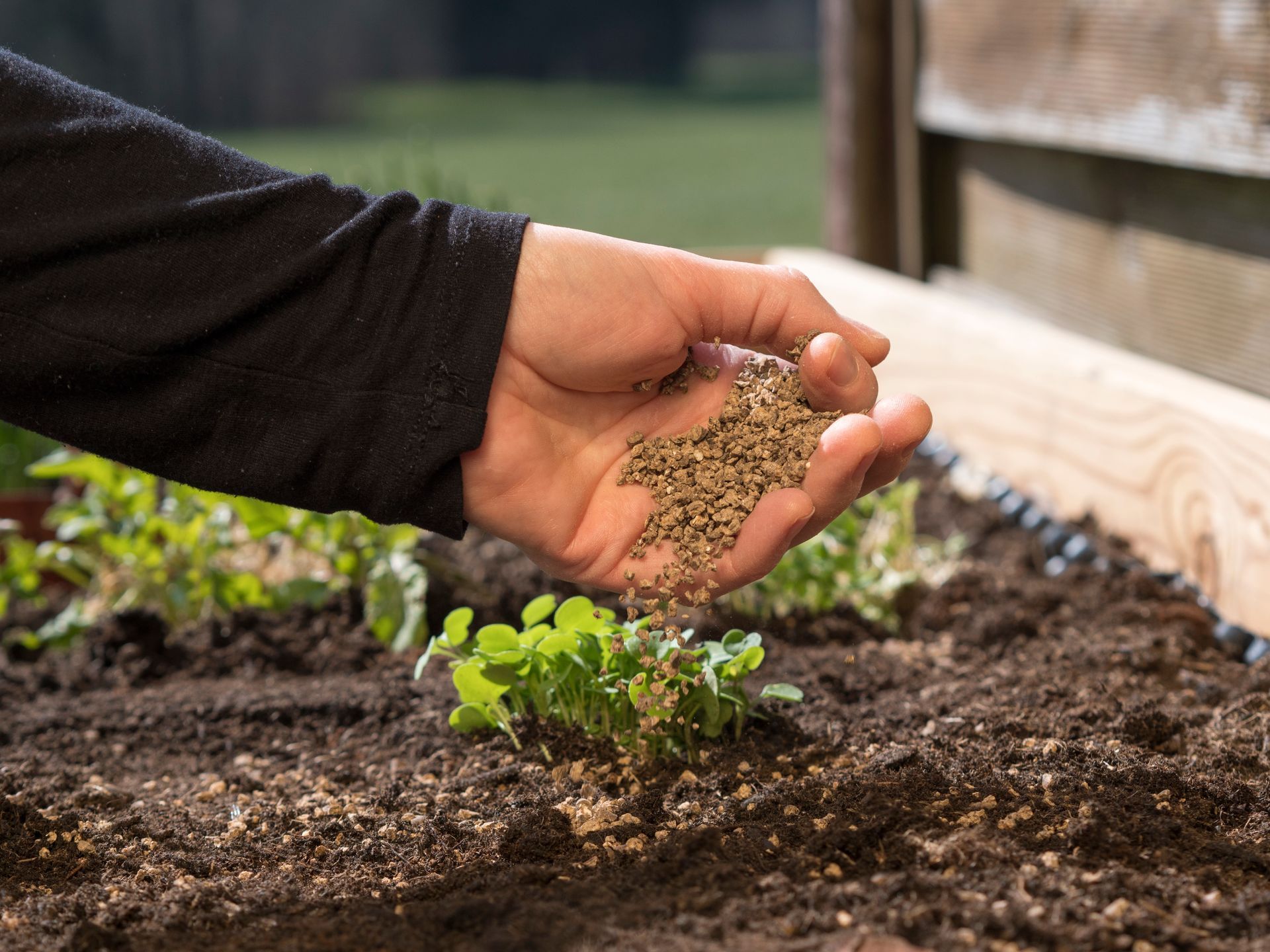
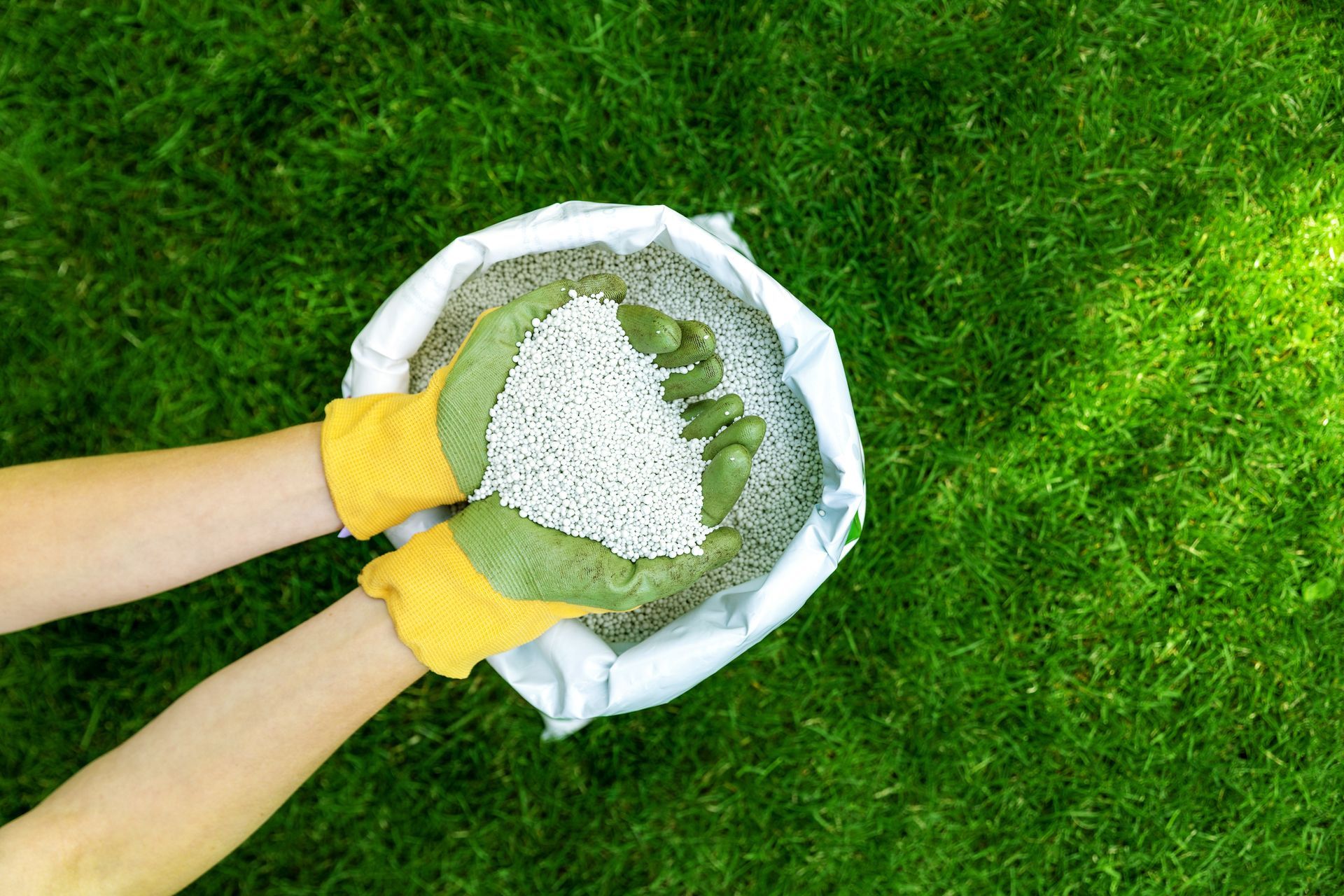
Hay production is a major part of agriculture across Southwest Louisiana, and the right fertilizer program can make the difference between an average harvest and a highly productive field. The best fertilizer program for hay fields includes soil testing, balanced nutrients, correct application timing, and customized fertilizer blends designed for Louisiana soil conditions.
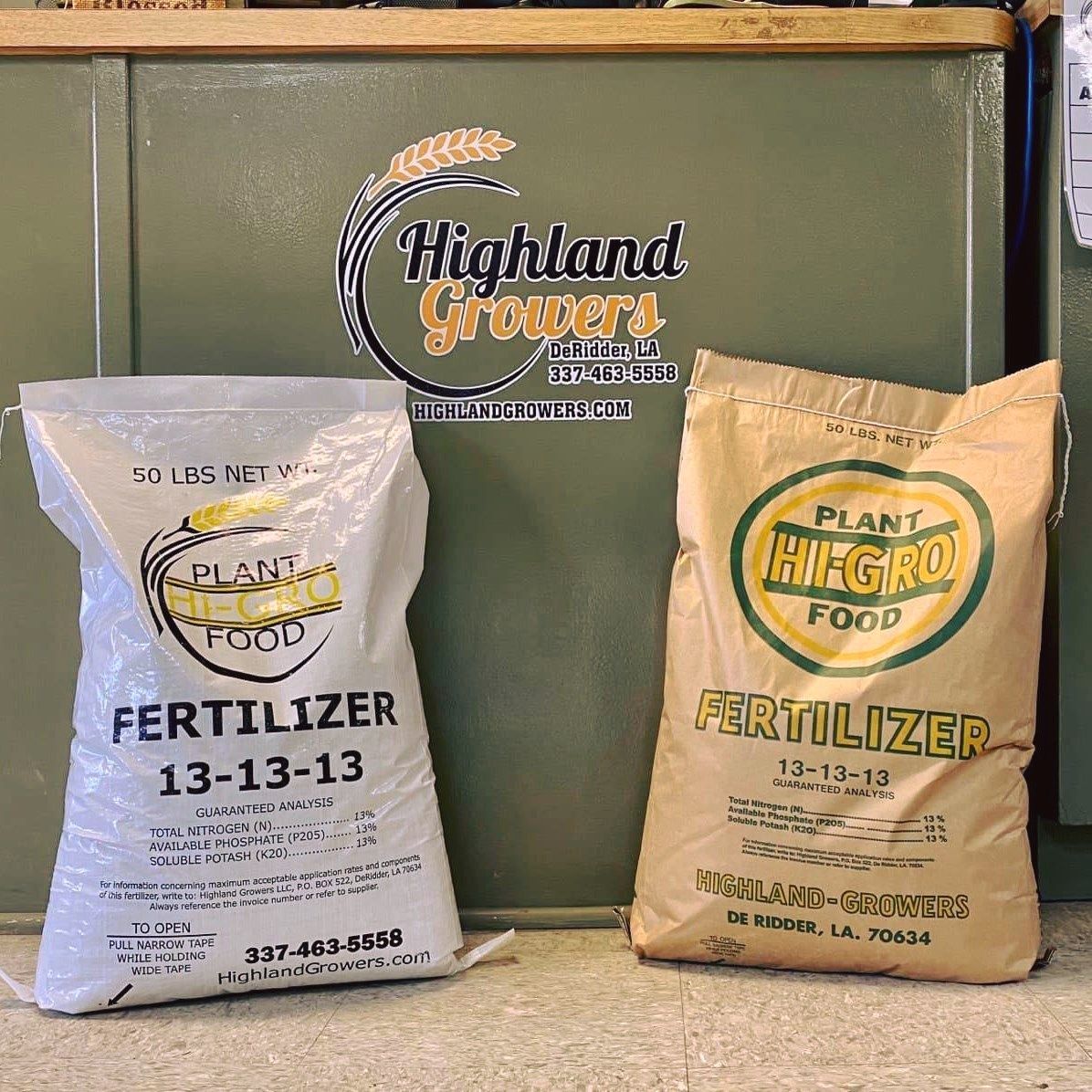
For farmers near DeRidder, LA, working with a local fertilizer supplier like Highland Growers ensures your hay fields receive the nutrients they need for maximum yield and long-term soil health.
Why Fertilizer Is Essential for Hay Production
Hay crops remove significant nutrients from the soil every time they are harvested. Unlike grazing pastures where nutrients are partially returned through manure, hay fields experience continuous nutrient removal with every cutting.
Without replacing those nutrients, farmers may experience:
- Reduced hay yields
- Thinner grass stands
- Lower forage quality
- Increased weed pressure
- Declining soil health
Over time, this can significantly impact farm profitability.
A consistent fertilizer program helps maintain strong plant growth, improve forage quality, and maximize production throughout the growing season.
Key Nutrients Needed for Healthy Hay Fields
Successful hay production depends on providing the right balance of essential nutrients.
Nitrogen (N)
Nitrogen is the most important nutrient for grass growth.
Benefits include:
- Faster grass growth
- Dark green color
- Higher protein content in hay
- Increased yields
Many Louisiana hay producers apply nitrogen after each cutting to stimulate regrowth.
Phosphorus (P)
Phosphorus supports root development and energy transfer in plants.
Benefits include:
- Stronger root systems
- Improved early growth
- Better drought tolerance
Phosphorus is especially important in fields with low soil fertility.
Potassium (K)
Potassium helps plants regulate water and improves stress resistance.
Benefits include:
- Improved disease resistance
- Stronger stems
- Better drought tolerance
- Increased winter survival
In Louisiana soils, potassium is often one of the most limiting nutrients for hay production.
Why Soil Testing Should Come First
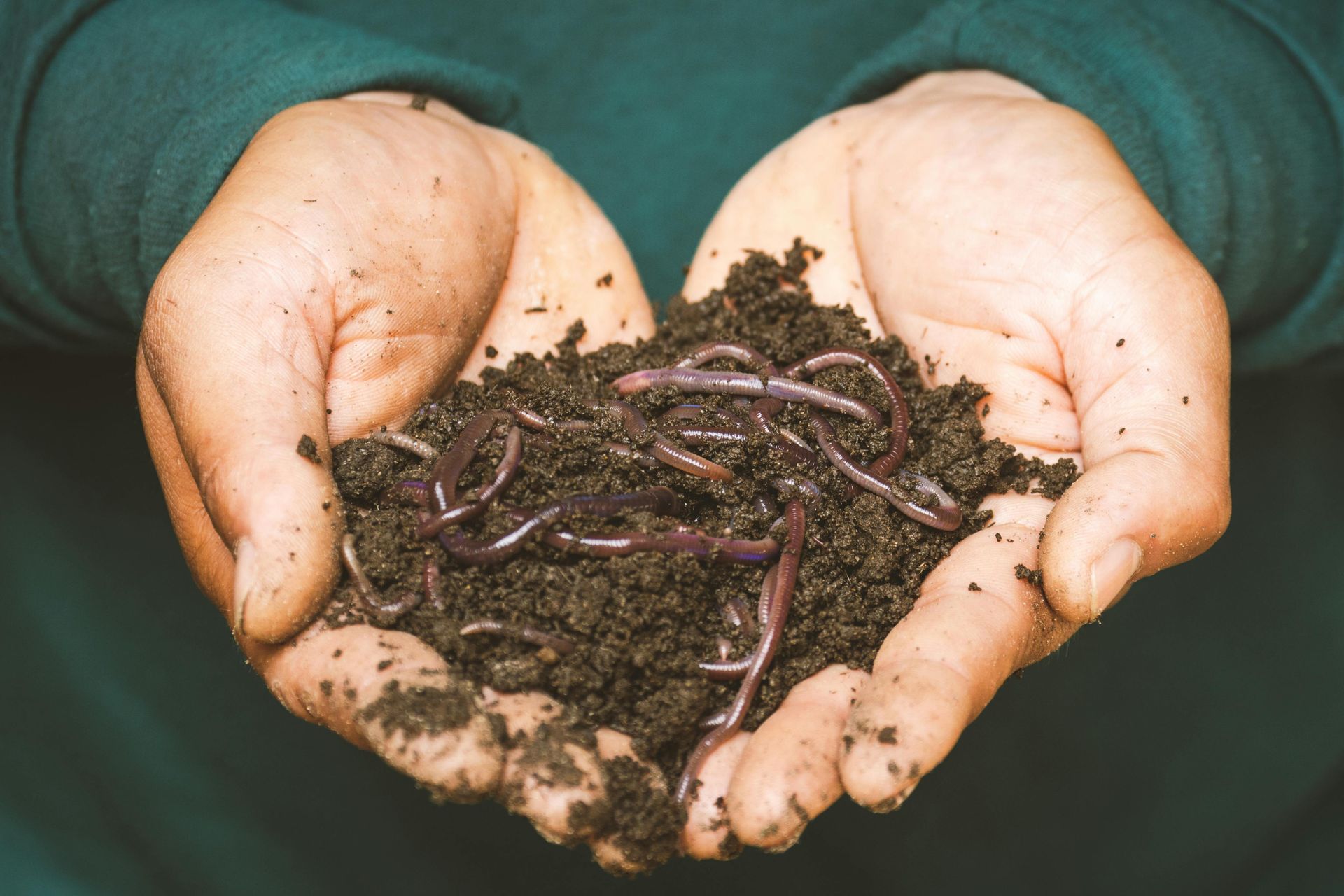
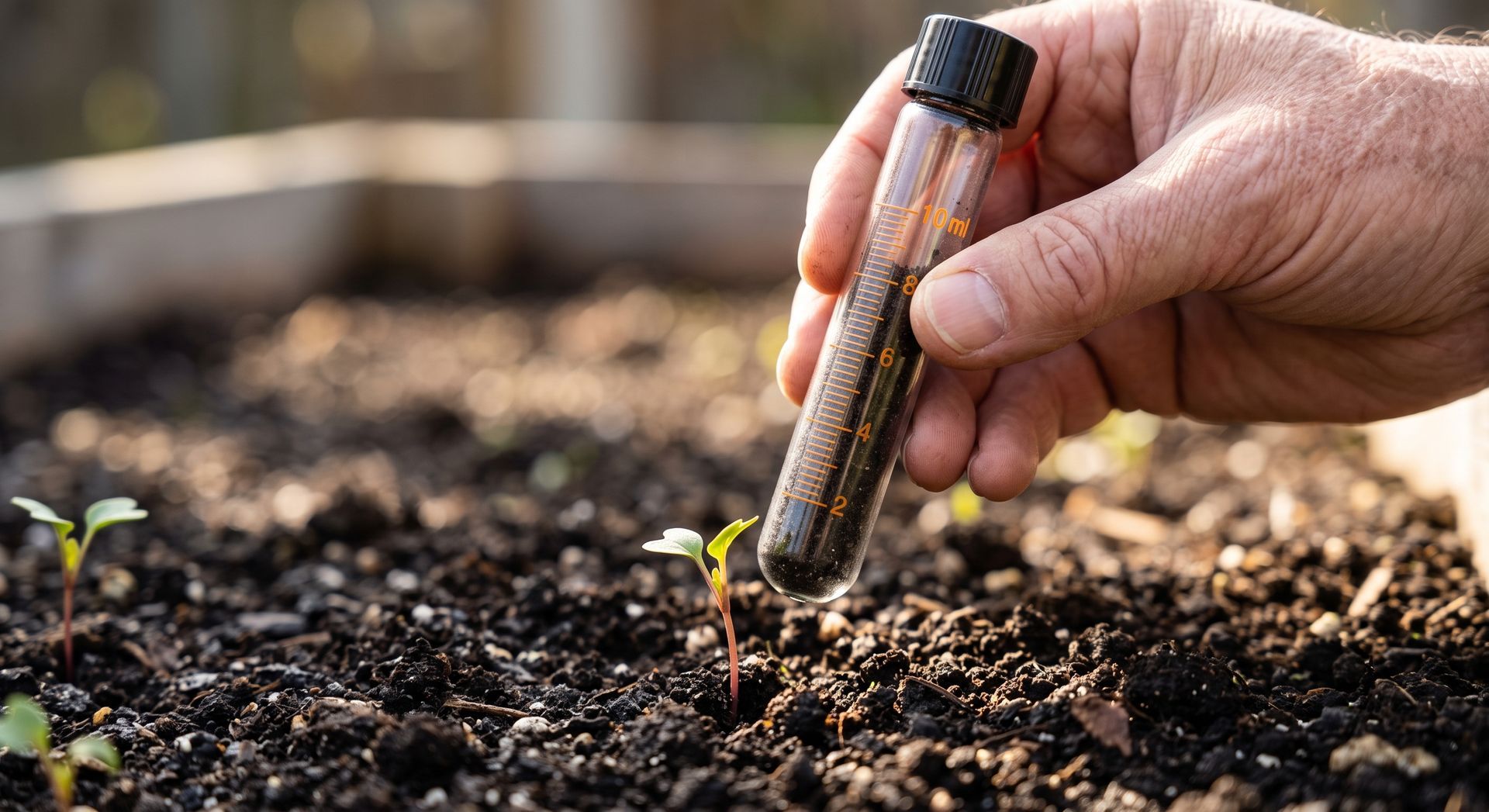
Before applying fertilizer, farmers should always start with professional soil testing.
A soil test determines:
- Nutrient levels
- Soil pH
- Fertility deficiencies
- Recommended fertilizer rates
At [Highland Growers Soil Testing Services – https://www.highlandgrowers.com/], farmers receive detailed results along with custom nutrient recommendations tailored to their specific fields.
According to the LSU AgCenter, soil testing is one of the most effective ways to improve crop yields while avoiding unnecessary fertilizer costs.
[LSU AgCenter Soil Testing Guide – https://www.lsuagcenter.com]
Ideal Fertilizer Schedule for Hay Fields in Louisiana
Timing fertilizer applications properly is critical for maximizing hay production.
Early Spring Application
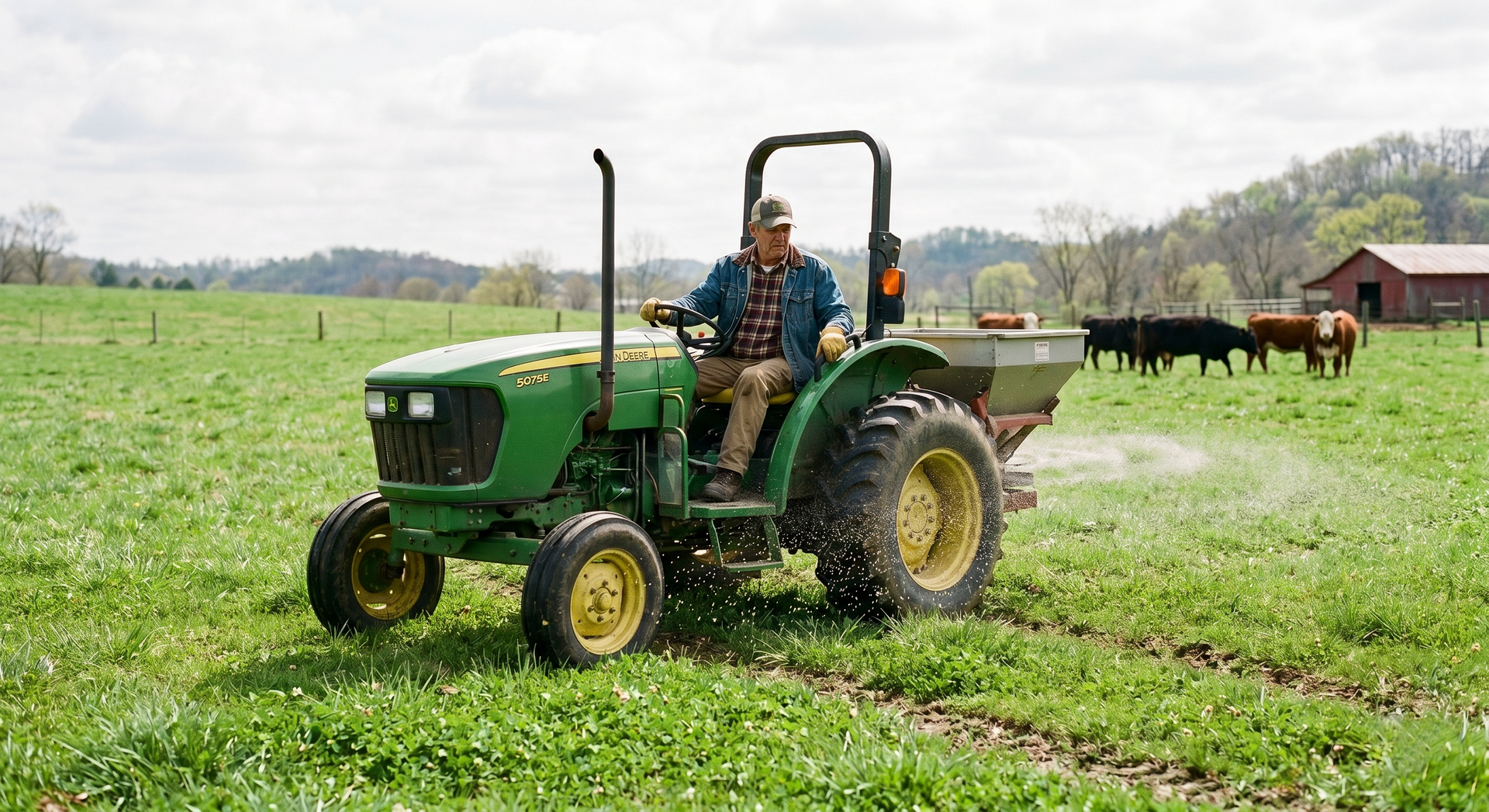
The first fertilizer application should occur in early spring when grasses begin active growth.
This application:
- Stimulates early season growth
- Supports strong root development
- Prepares fields for the first cutting
After Each Hay Cutting
Applying nitrogen fertilizer after each harvest helps stimulate quick regrowth.
Benefits include:
- Faster recovery after cutting
- Higher yields throughout the season
- Improved forage quality
Many Louisiana farmers fertilize two to four times per growing season depending on their cutting schedule.
Fall Fertilization
A fall fertilizer application can strengthen plants before winter dormancy.
This helps:
- Improve root reserves
- Strengthen plant health
- Encourage earlier spring growth
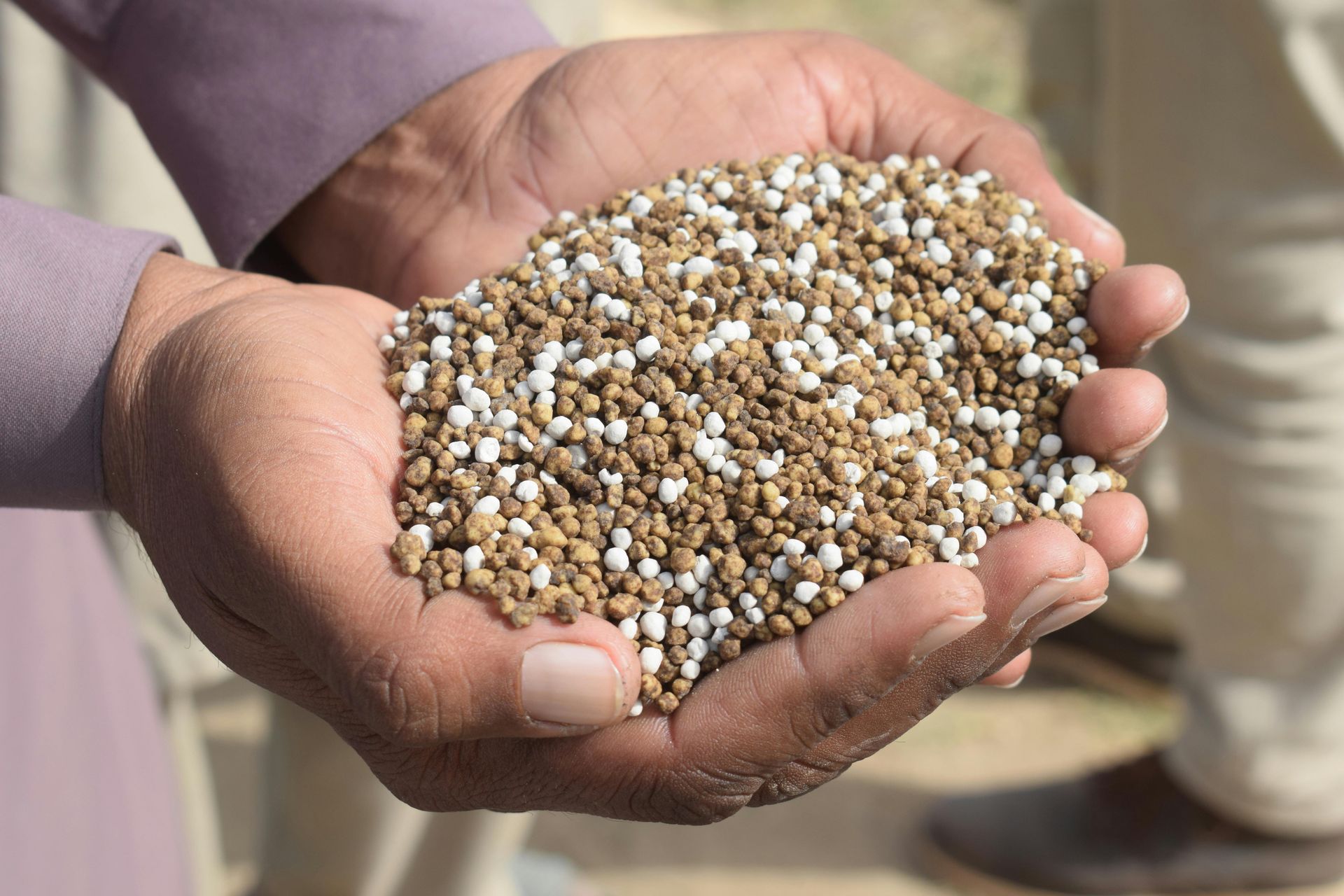
Custom Blend Fertilizer for Hay Fields
Every hay field is different. Soil conditions, crop type, and previous management practices all affect nutrient requirements.
That’s why many farmers prefer custom blend fertilizer programs.
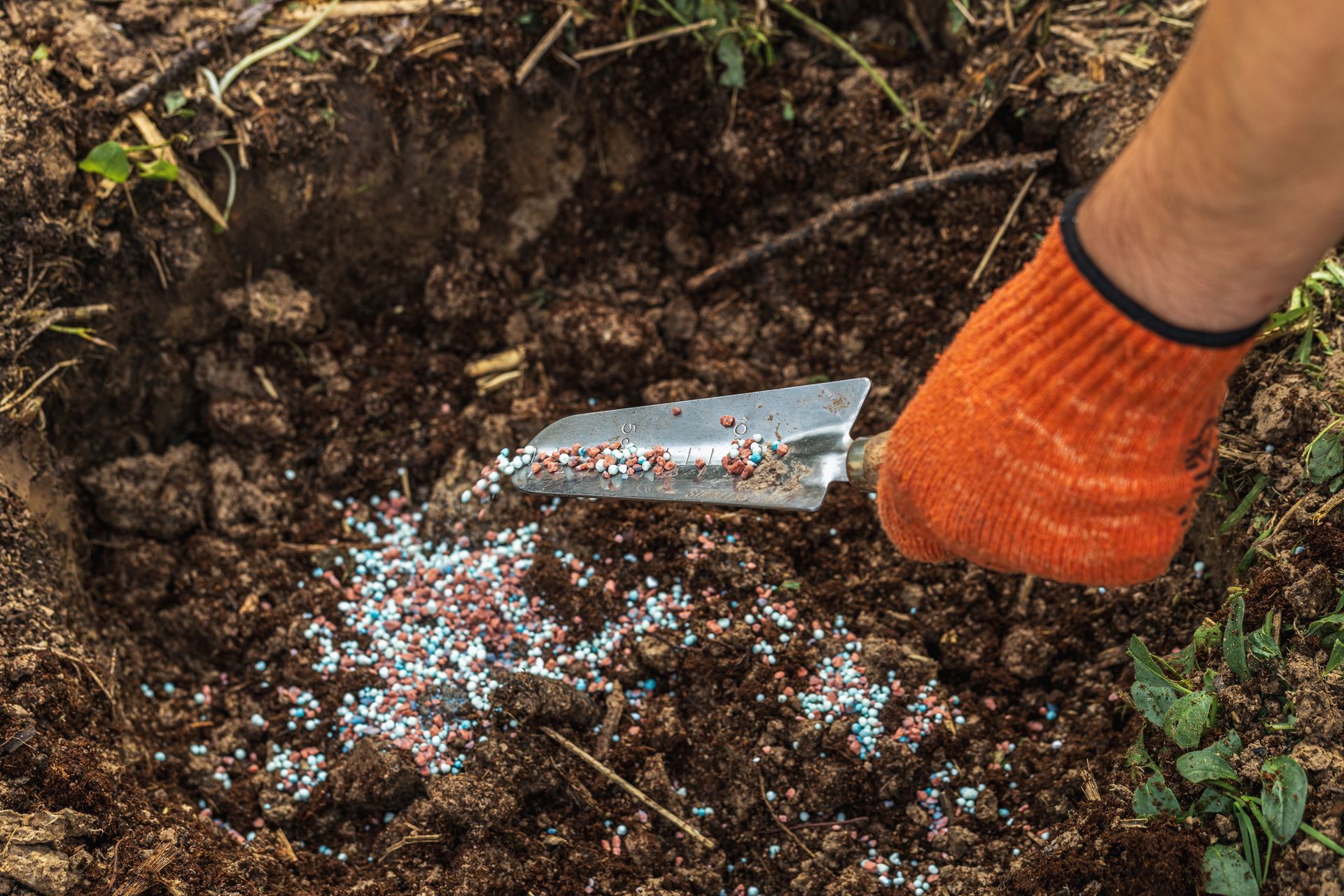
At [Custom Blend Fertilizer – https://www.highlandgrowers.com/], Highland Growers creates fertilizer mixes tailored specifically for your field’s soil conditions.
Benefits of custom blends include:
- Precise nutrient ratios
- Reduced fertilizer waste
- Improved crop performance
- Better return on investment
Custom blends ensure farmers apply exactly what their fields need—no more and no less.
Common Hay Crops in Southwest Louisiana
Several forage crops are widely grown in the DeRidder region.
Bermudagrass
Bermudagrass is the most common hay crop in Louisiana.
It offers:
- High yields
- Excellent drought tolerance
- Strong regrowth after cutting
However, Bermudagrass requires high nitrogen fertilization to maintain productivity.
Bahia Grass
Bahia grass is another popular option for hay and grazing.
Advantages include:
- Good adaptability to sandy soils
- Lower fertilizer requirements
- Strong persistence
While yields may be lower than Bermudagrass, Bahia grass requires less intensive management.
Mixed Grass Fields
Some producers grow mixed grass hay fields to improve resilience and forage diversity.
Proper fertilization helps maintain balanced growth among species and prevents weaker grasses from disappearing.
Signs Your Hay Field Needs Fertilizer
Farmers should monitor fields regularly for signs of nutrient deficiency.
Common warning signs include:
- Yellow or pale grass
- Slow regrowth after cutting
- Thin or patchy grass stands
- Reduced hay yields
- Increased weeds
Addressing these issues early can prevent long-term soil fertility problems.
Why Local Fertilizer Expertise Matters
Agriculture in Southwest Louisiana presents unique challenges:
- Sandy or acidic soils
- Heavy rainfall
- High temperatures
- Nutrient leaching
Local fertilizer suppliers understand these conditions and can recommend solutions tailored to the region.
Highland Growers has helped farmers around DeRidder, Leesville, Merryville, and surrounding communities improve soil health and crop production for years.
Their services include:
- Custom fertilizer blending
- Soil testing
- Seed selection
- Farm chemicals
- Wildlife food plot supplies
- State-certified truck scale
Working with a trusted local supplier ensures farmers receive both quality products and expert recommendations.
FAQs About Fertilizing Hay Fields
How often should hay fields be fertilized?
Most hay fields require fertilizer two to four times per growing season, depending on soil fertility and cutting frequency.
What fertilizer is best for Bermudagrass hay?
Bermudagrass typically requires fertilizer high in nitrogen, along with balanced phosphorus and potassium based on soil test results.
Is soil testing really necessary?
Yes. Soil testing prevents over-fertilization and ensures nutrients are applied at the correct levels.
When is the best time to fertilize hay fields?
The best times are:
- Early spring
- After each cutting
- Occasionally in the fall
These applications support consistent growth throughout the season.
Can custom fertilizer blends improve hay yields?
Yes. Custom blends deliver precise nutrient ratios based on soil test results, which can significantly improve crop performance.
Get Expert Fertilizer Recommendations for Your Hay Fields
If you want to improve hay production in DeRidder or Southwest Louisiana, the team at Highland Growers can help.
From soil testing and custom fertilizer blends to seed and farm chemicals, they provide everything farmers need to maintain productive fields.
Visit Highland Growers LLC or contact their team to receive custom nutrient recommendations tailored to your farm.
Local expertise and the right fertilizer program can make all the difference for your next hay harvest.