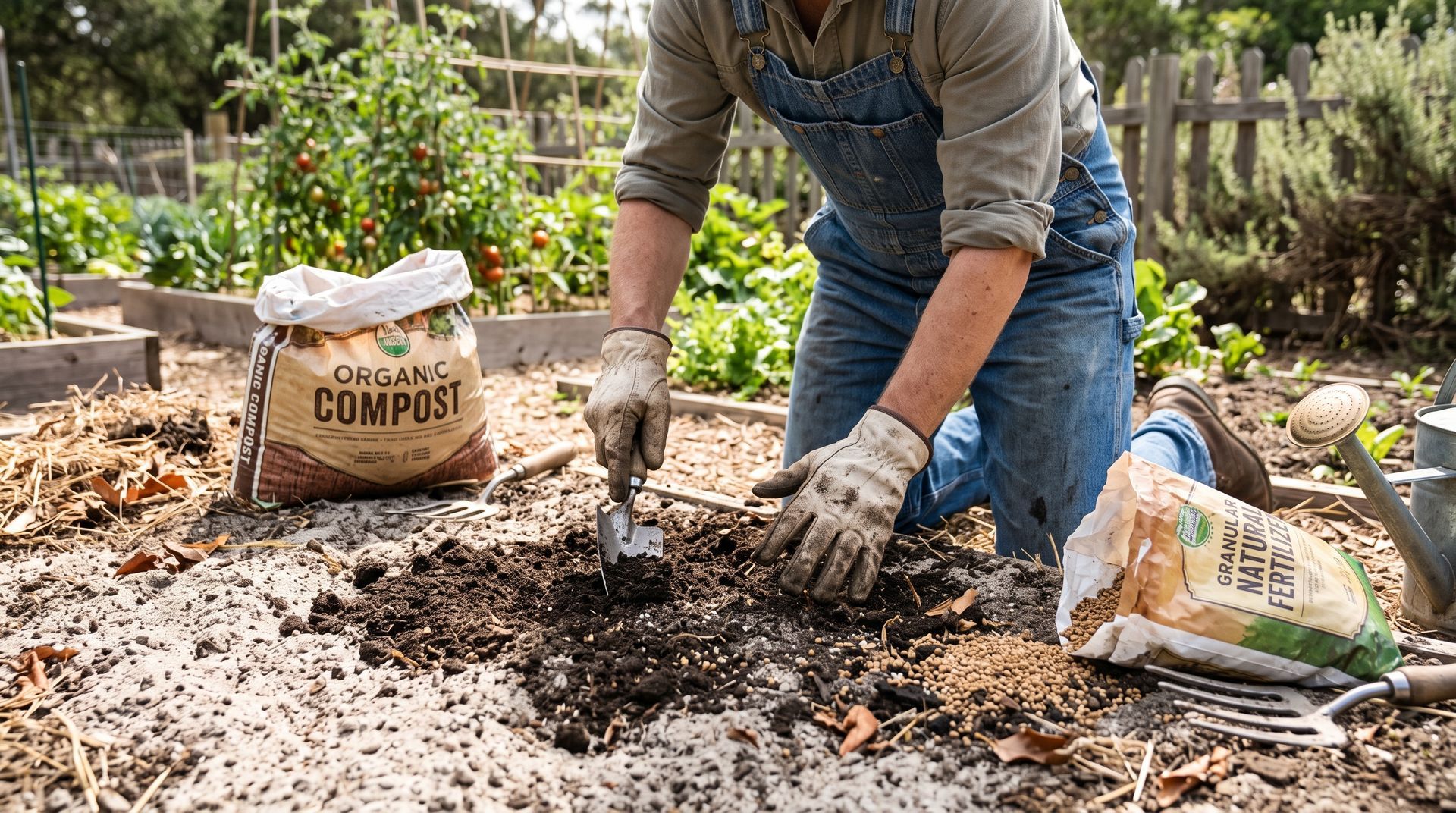
Learn how to fertilize sandy soil in Louisiana, reduce nutrient loss, optimize application timing, and create a practical fertility plan to improve crop growth.
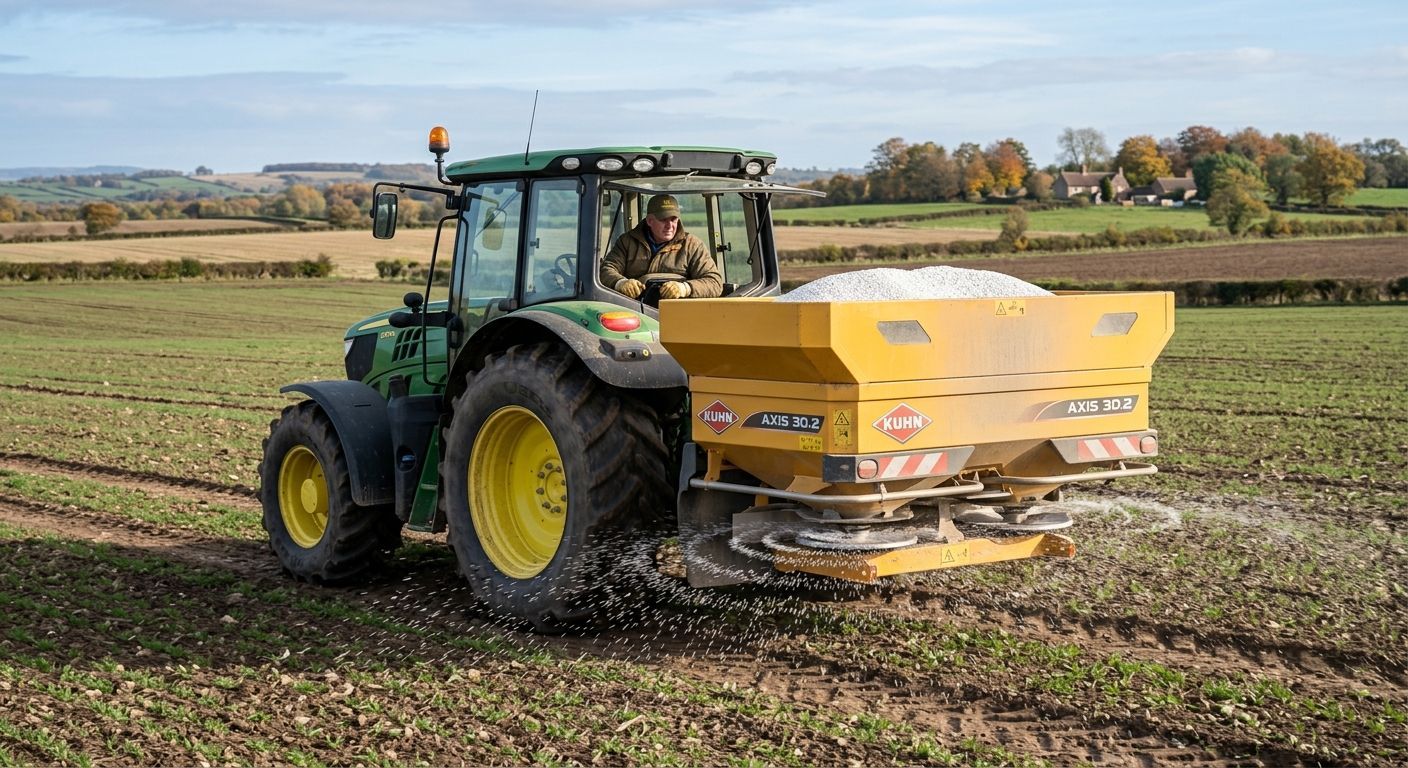
Learn how to choose a fertilizer spreader for your Louisiana farm, compare equipment types, improve application accuracy, and reduce fertilizer waste to save costs.
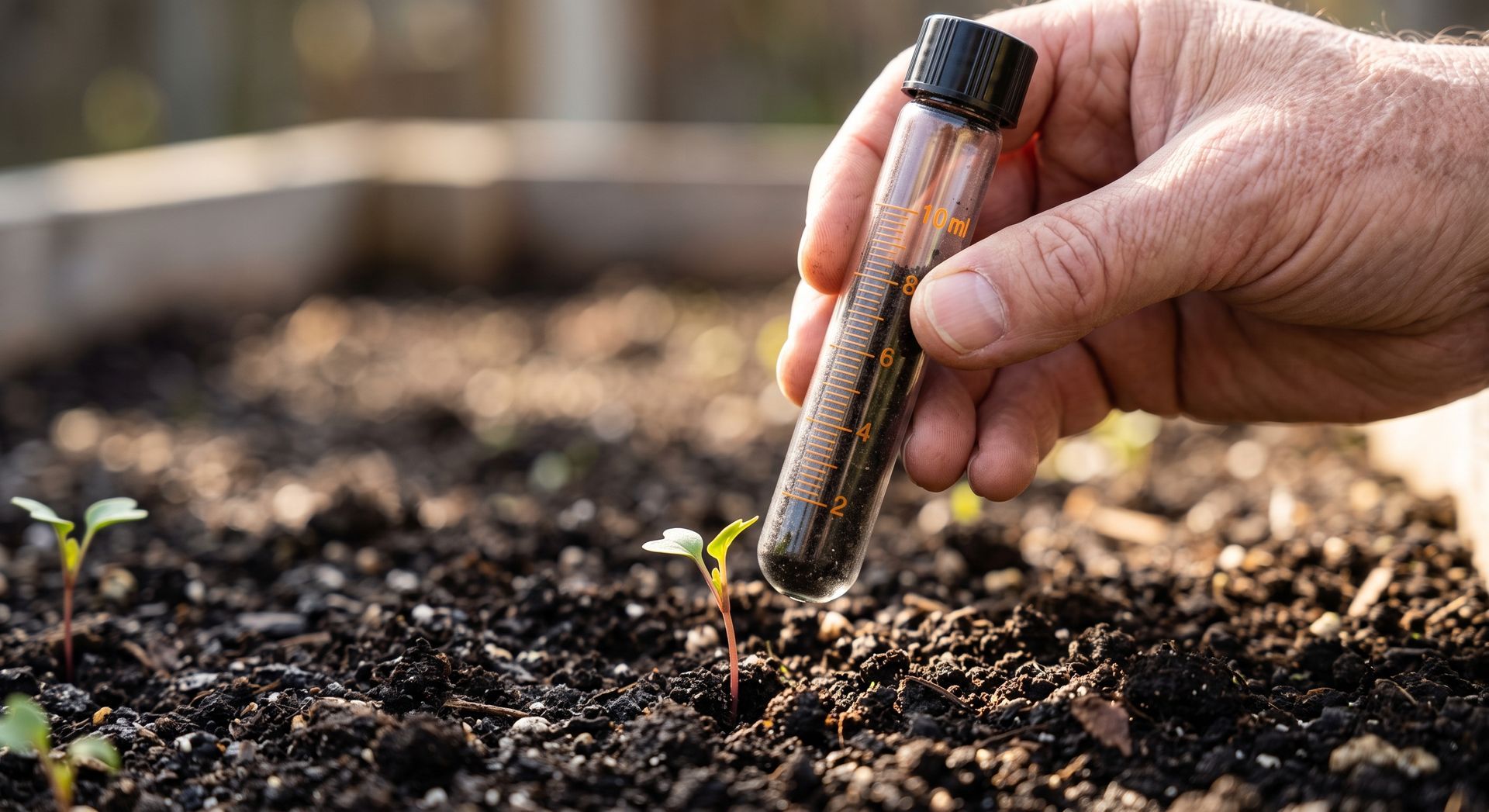
Learn how soil testing improves crop yields in Louisiana. Discover why farmers in DeRidder rely on soil testing for better fertilizer decisions and healthier crops.
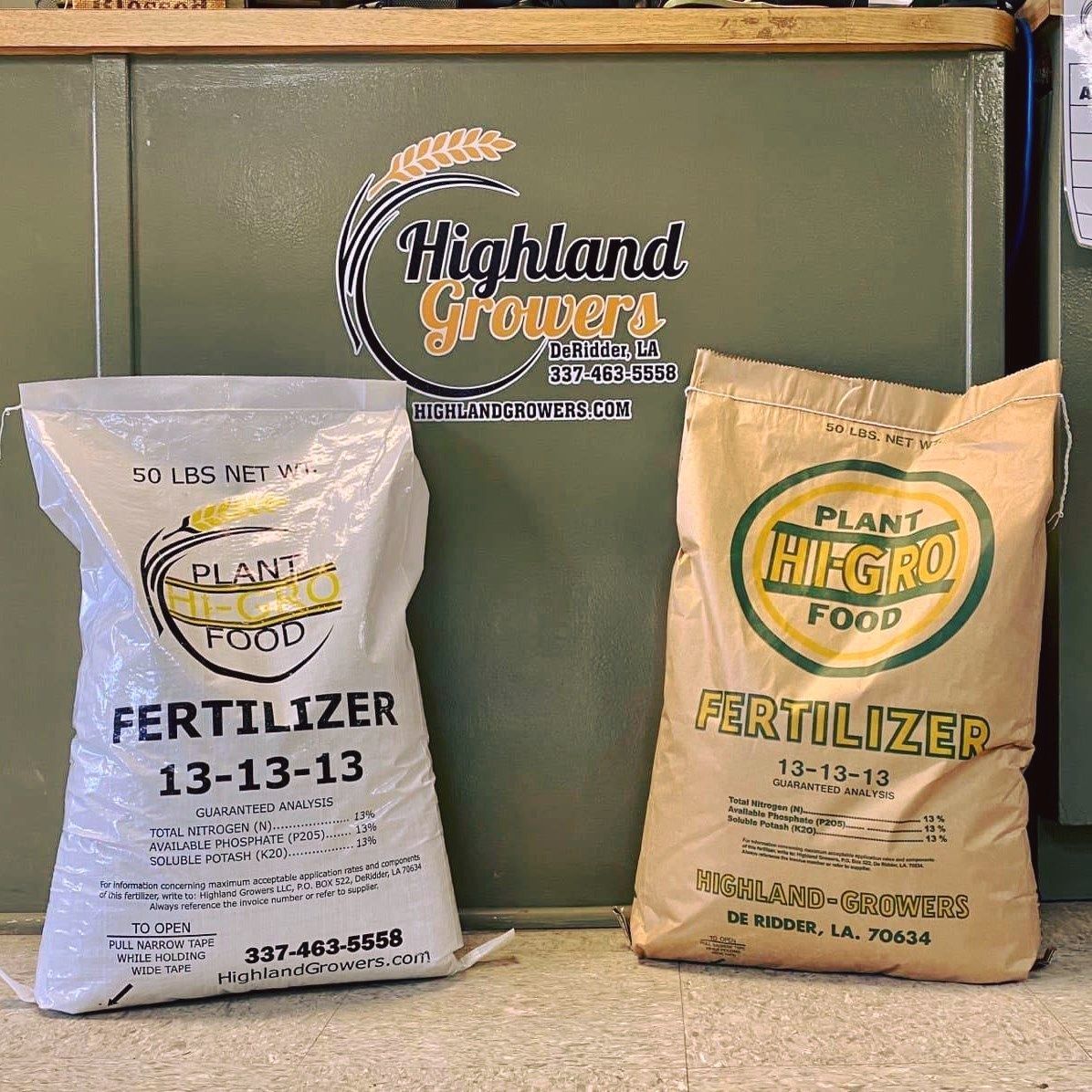
Discover why farmers trust Highland Growers in DeRidder, LA for fertilizer, seed, soil testing, farm supplies, and equipment. Shop local for quality farm supply now!
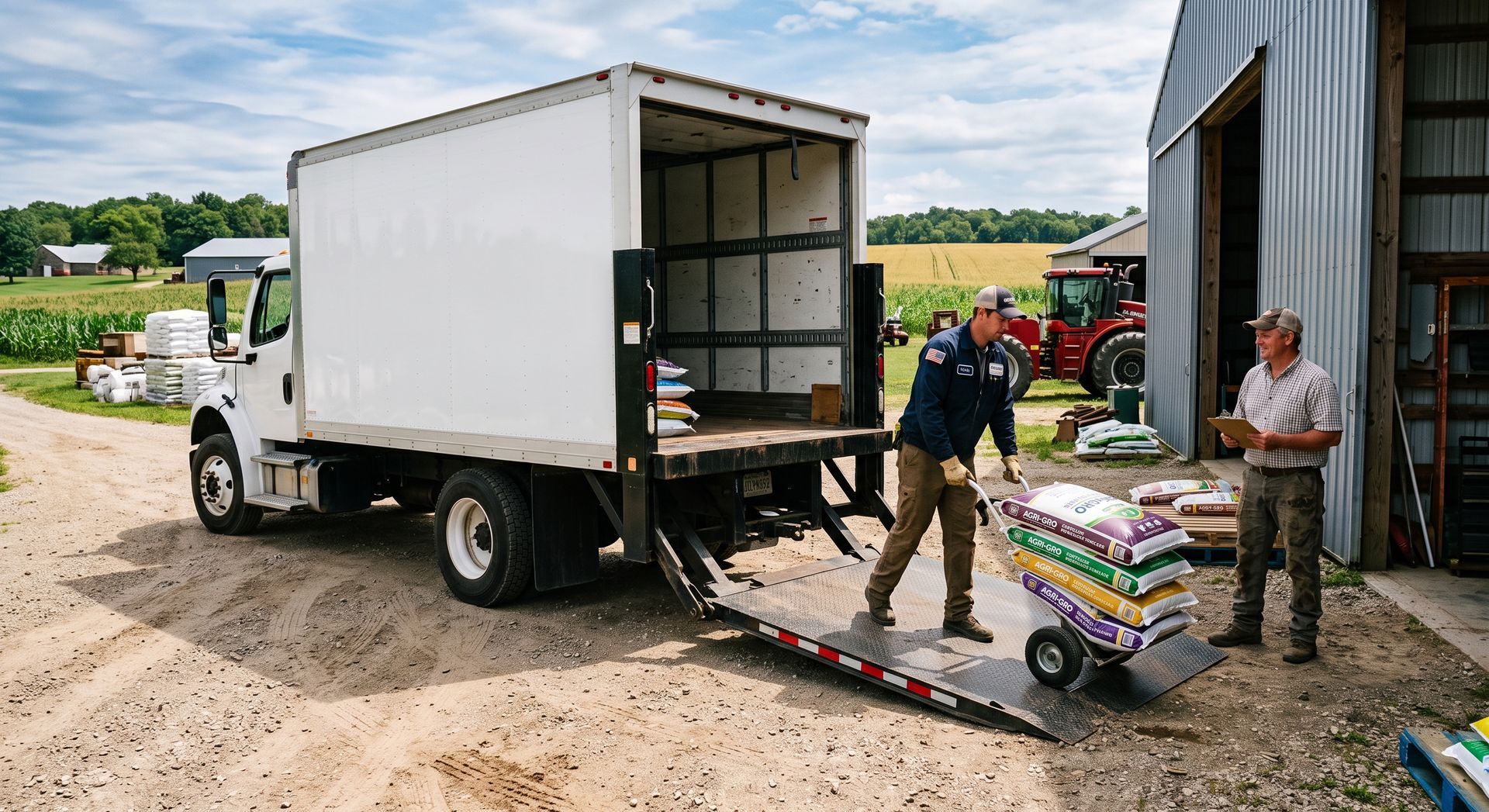
Need fertilizer delivery in DeRidder, LA? Learn how delivery works, when to schedule it, and how farmers can improve efficiency, reduce delays, and save time.
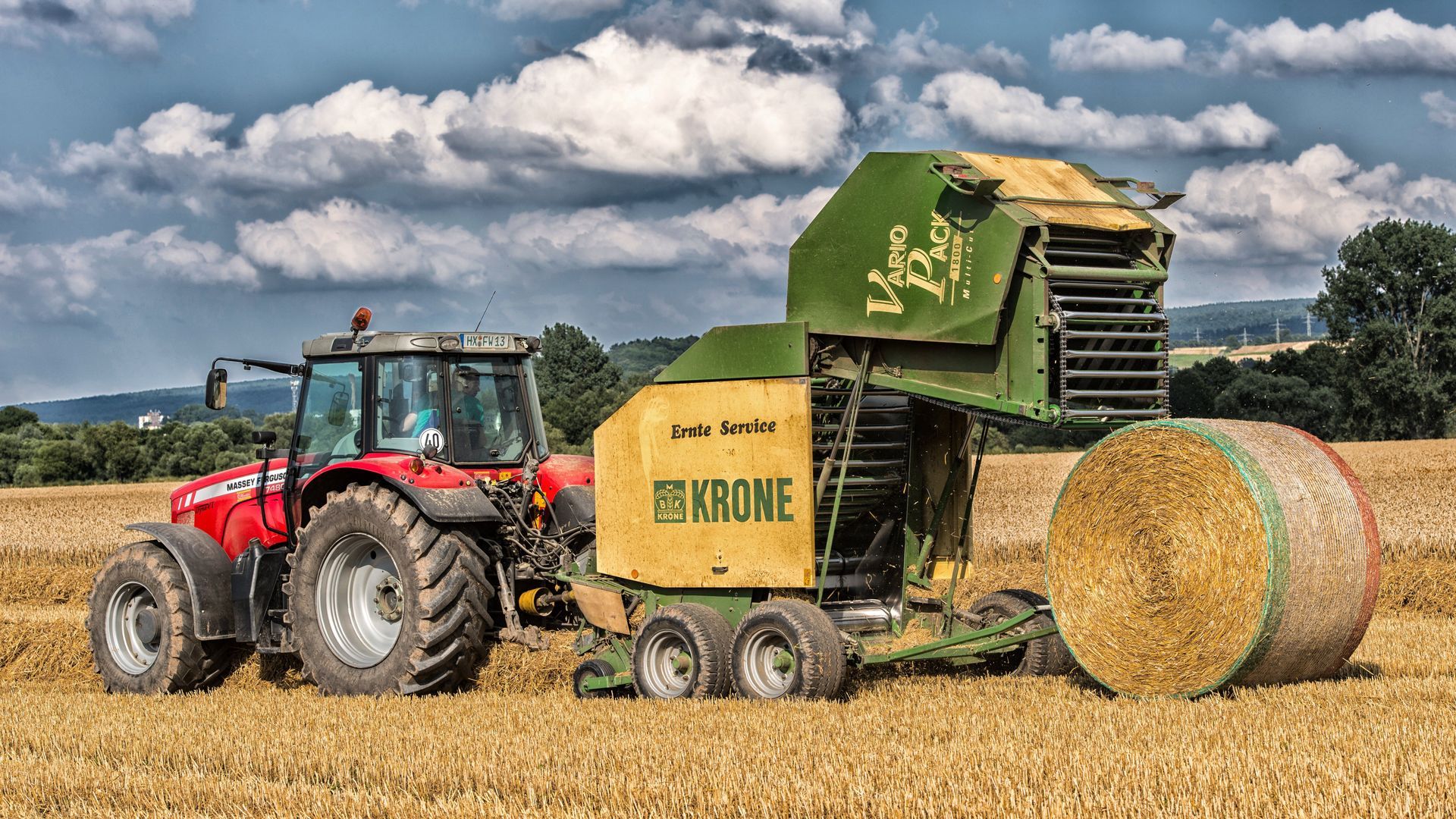
Discover the best KRONE hay equipment for Louisiana farmers. Learn how KRONE balers, mowers, and rakes improve hay production, efficiency, and field performance.
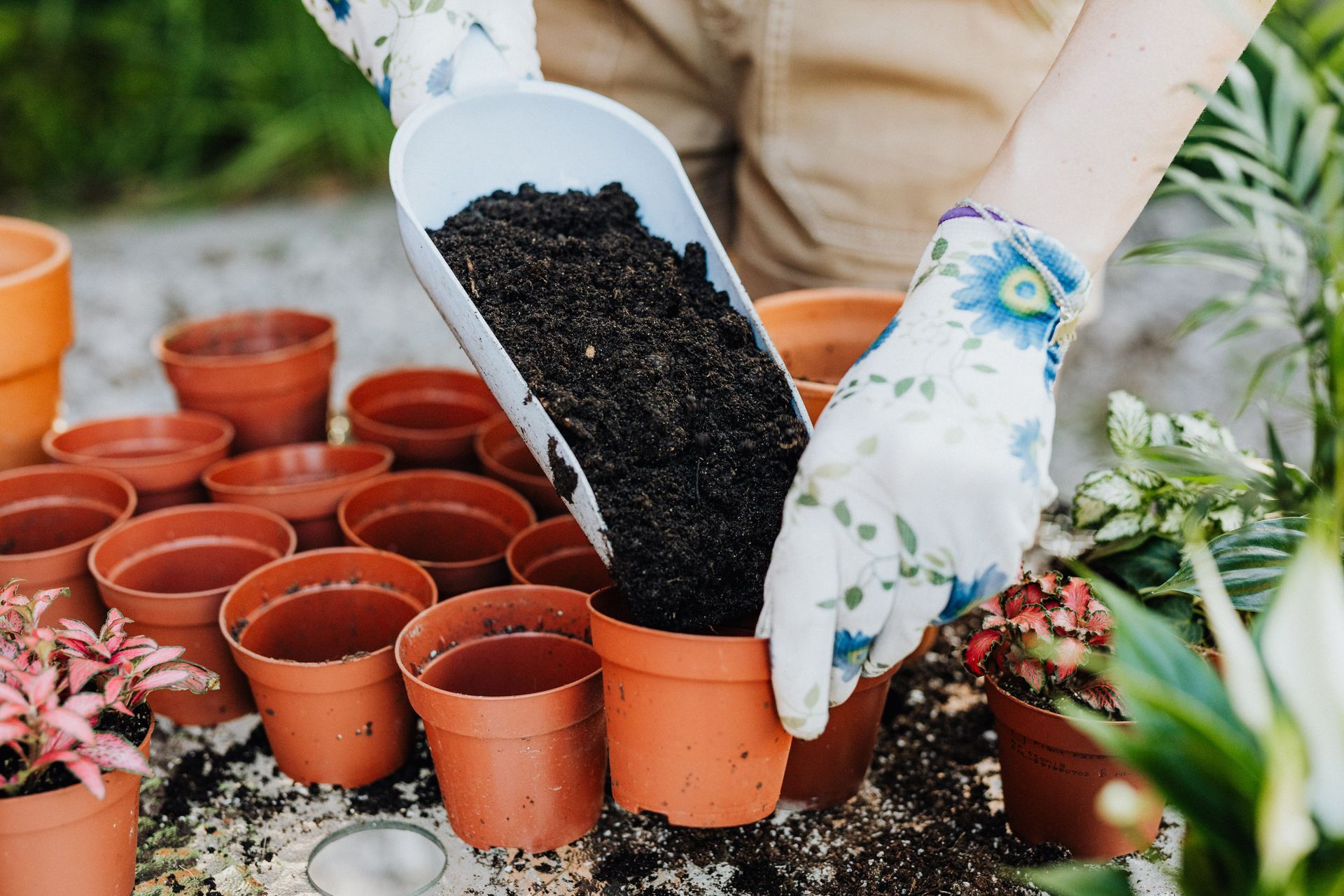
Learn the best fertilizer strategy for deer food plots in Louisiana. Improve soil health and grow productive wildlife plots for better hunting success today.
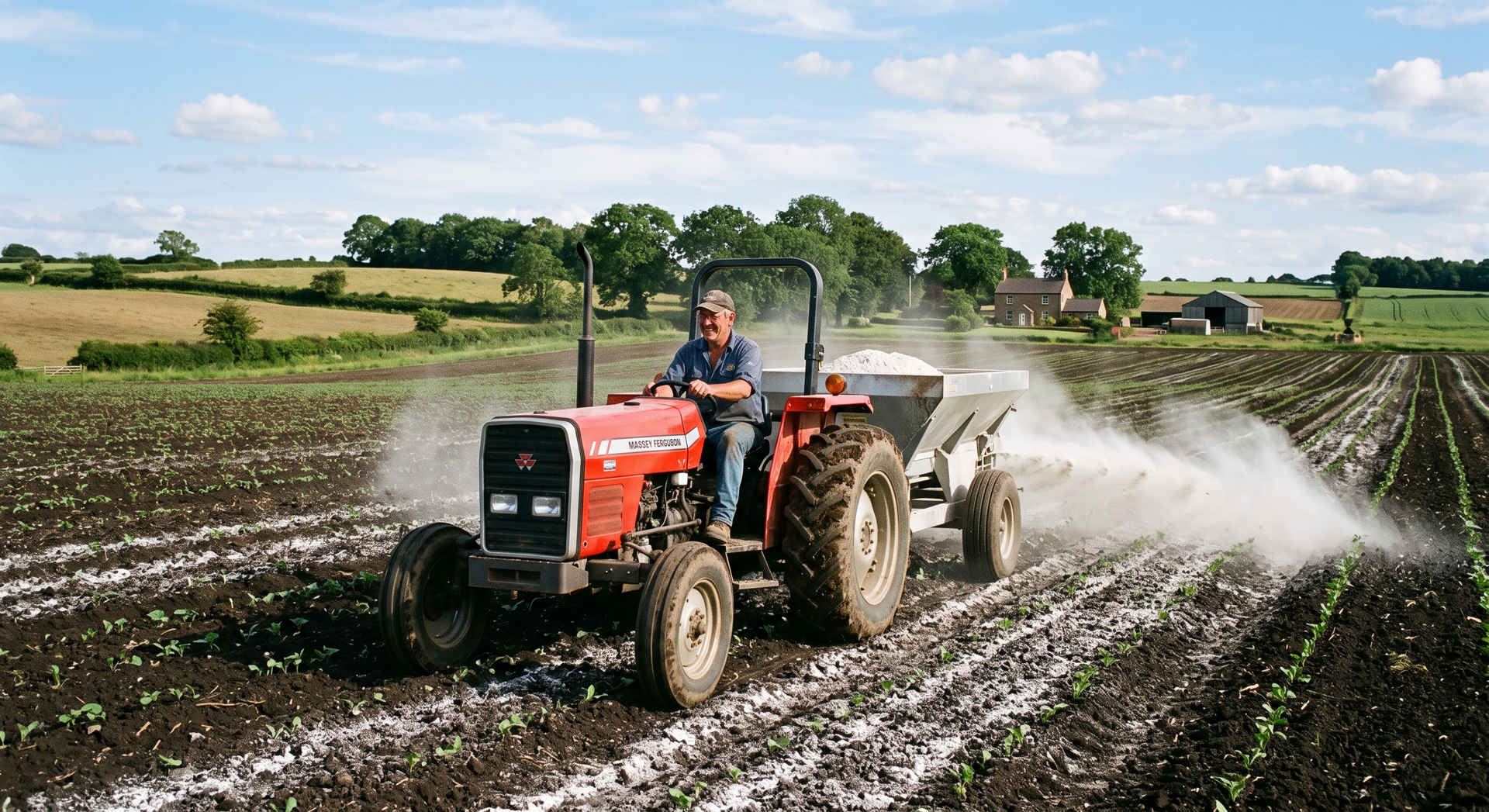
Learn when and why Louisiana farmers should apply lime to soil. Improve soil pH, fertilizer efficiency, and crop yields with expert tips for lasting success.
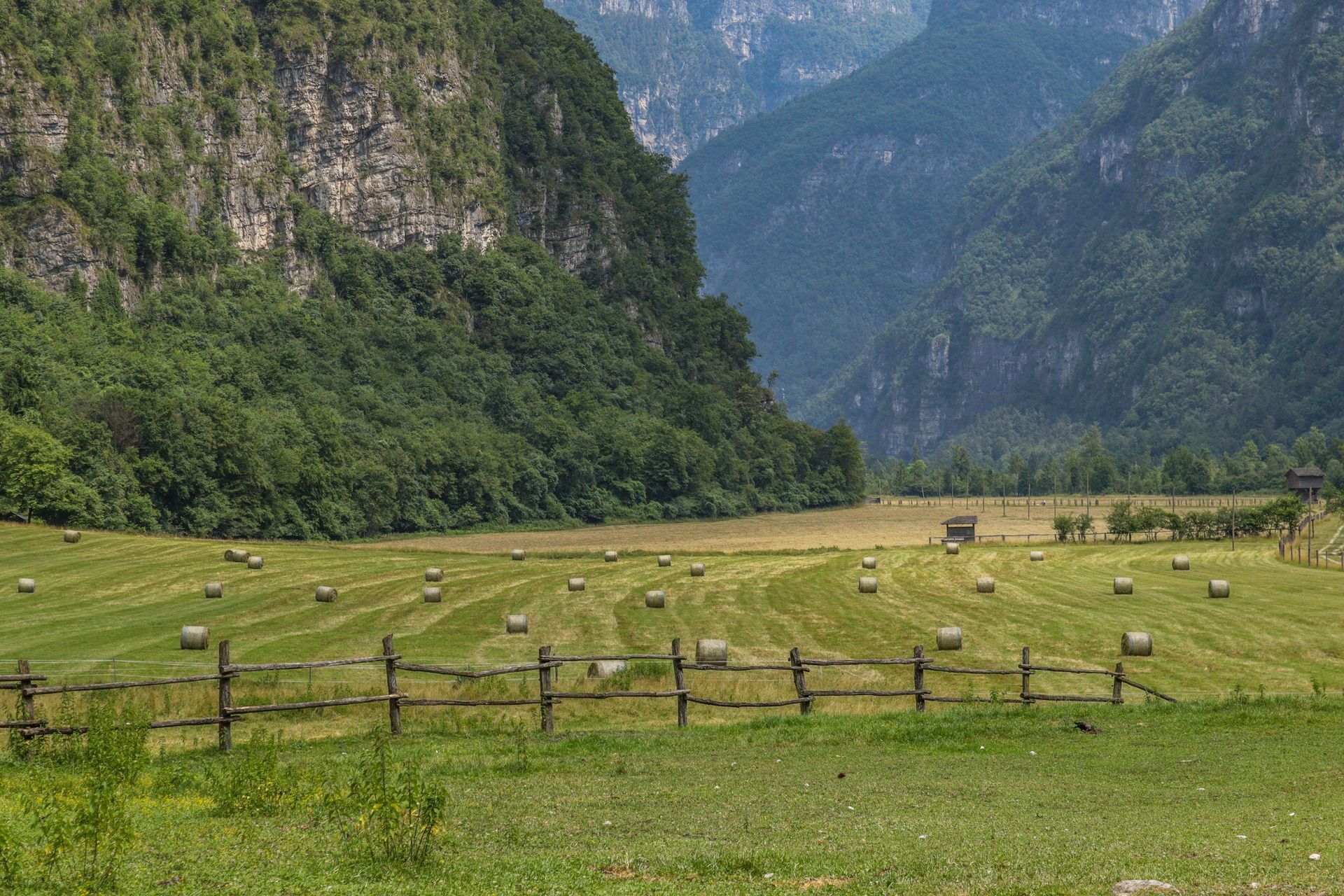
Discover the best grass varieties for Louisiana pastures and hay fields. Learn which grasses grow best in Southwest Louisiana farms for higher yields and grazing.
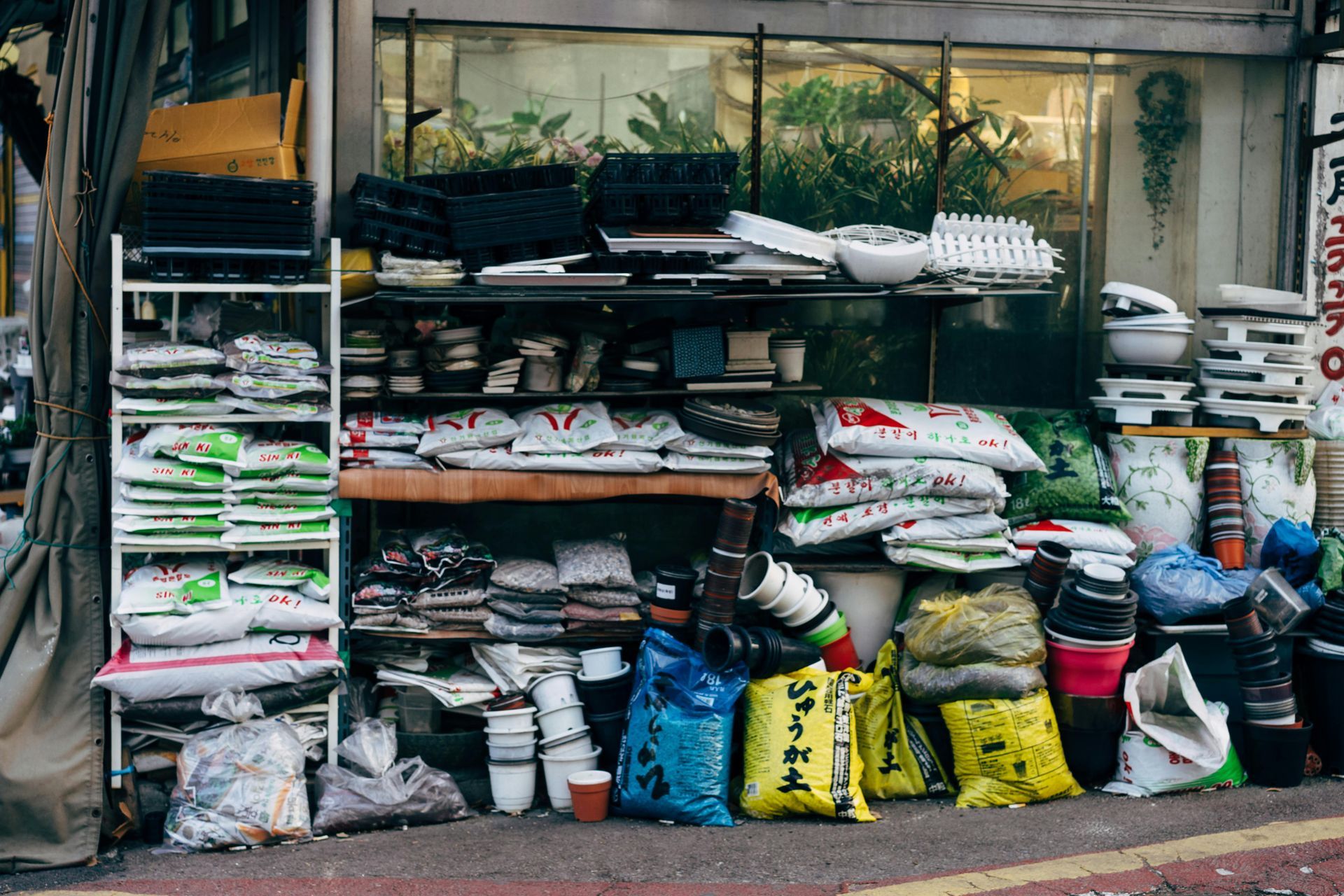
Learn safe fertilizer storage practices for farms. Protect fertilizer quality, prevent waste, and maintain safety with expert storage and handling tips today.
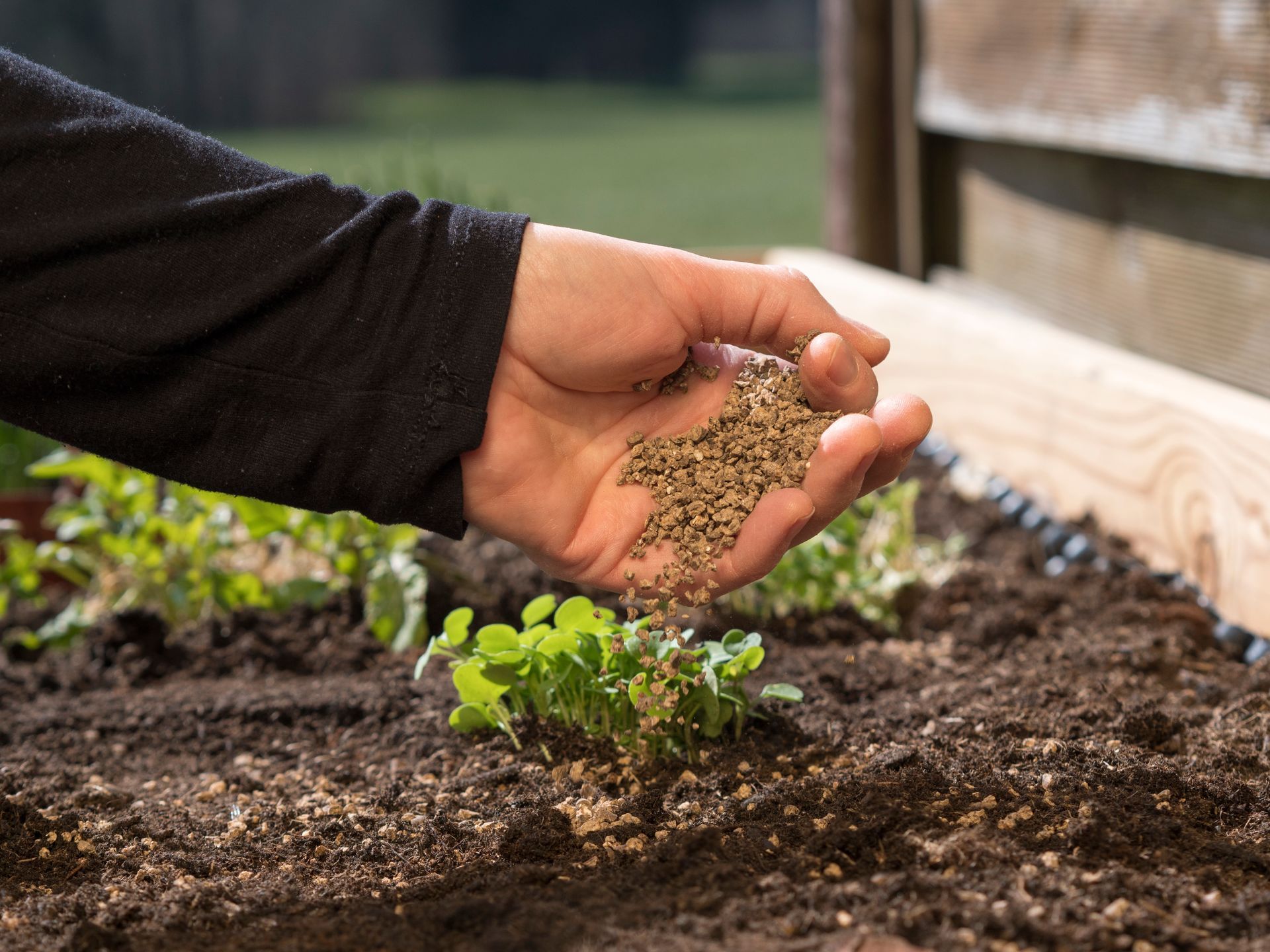
Avoid costly fertilizer mistakes on your farm. Learn common application errors and how Louisiana farmers can improve crop health, yields, and overall results.
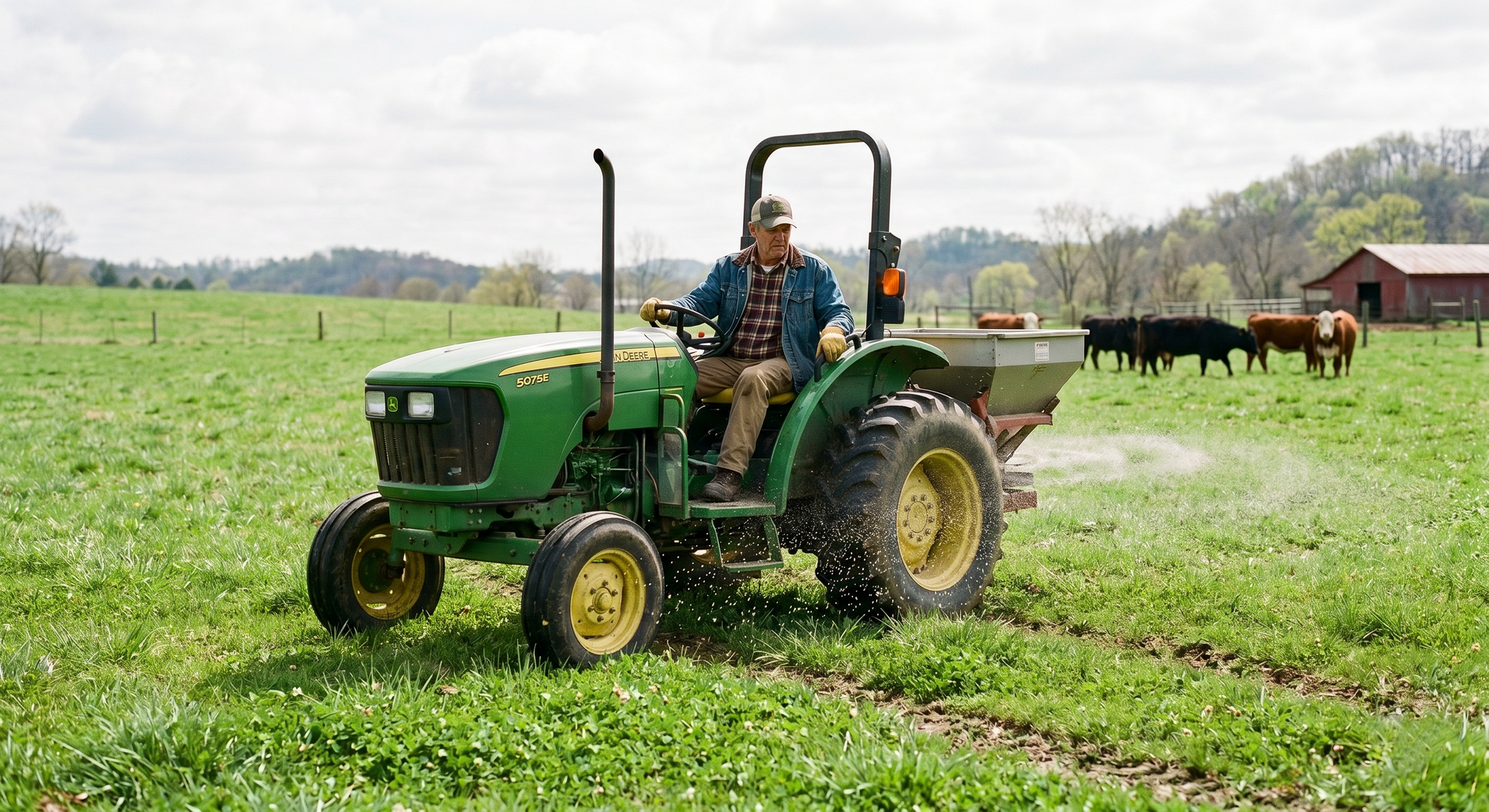
Learn when to fertilize pastures in Louisiana for maximum grass growth. Discover expert timing tips from Highland Growers in DeRidder, LA for healthier fields.
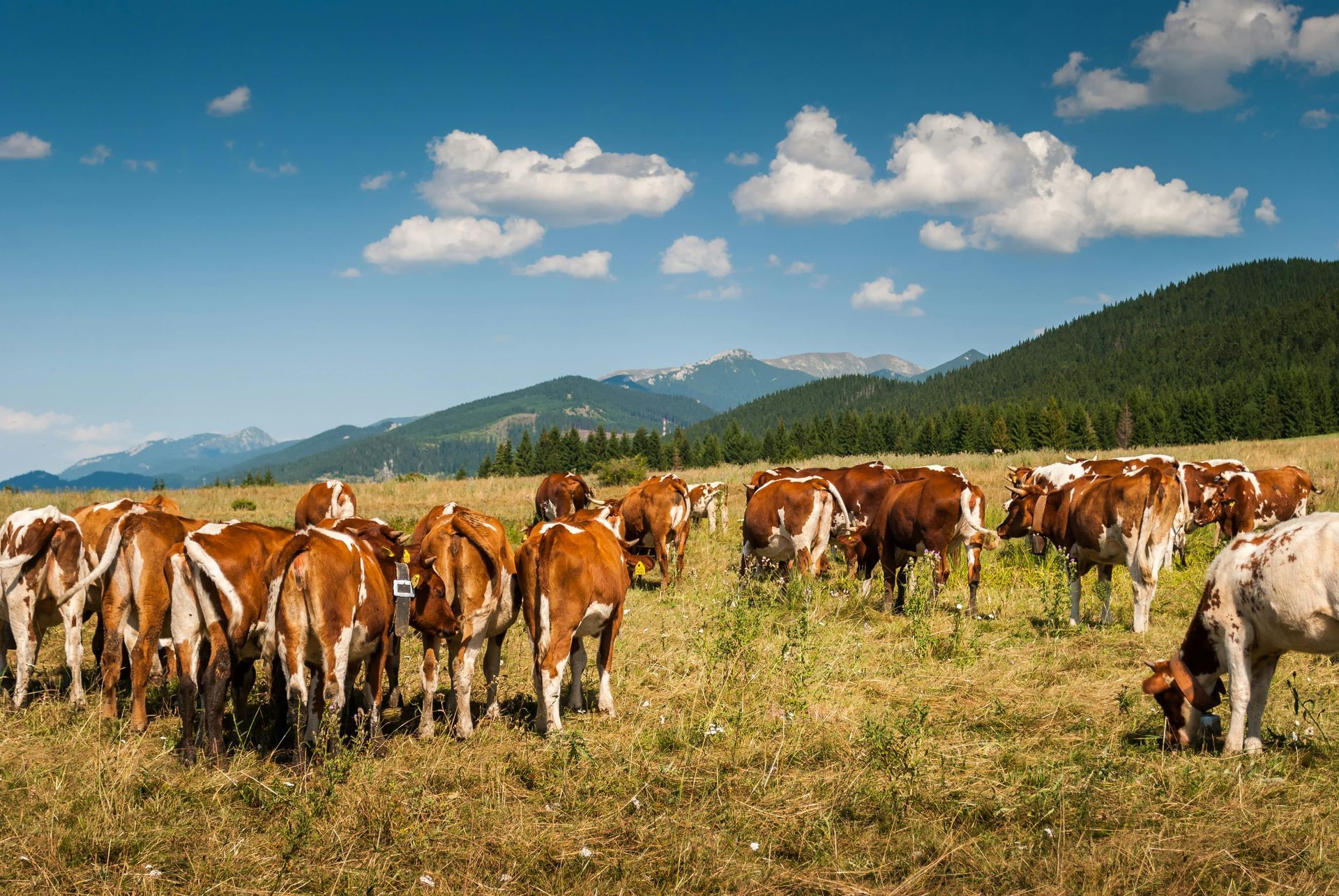
Learn the best pasture management tips for Louisiana cattle farmers. Improve grazing, soil health, and forage production with expert advice from Highland Growers.
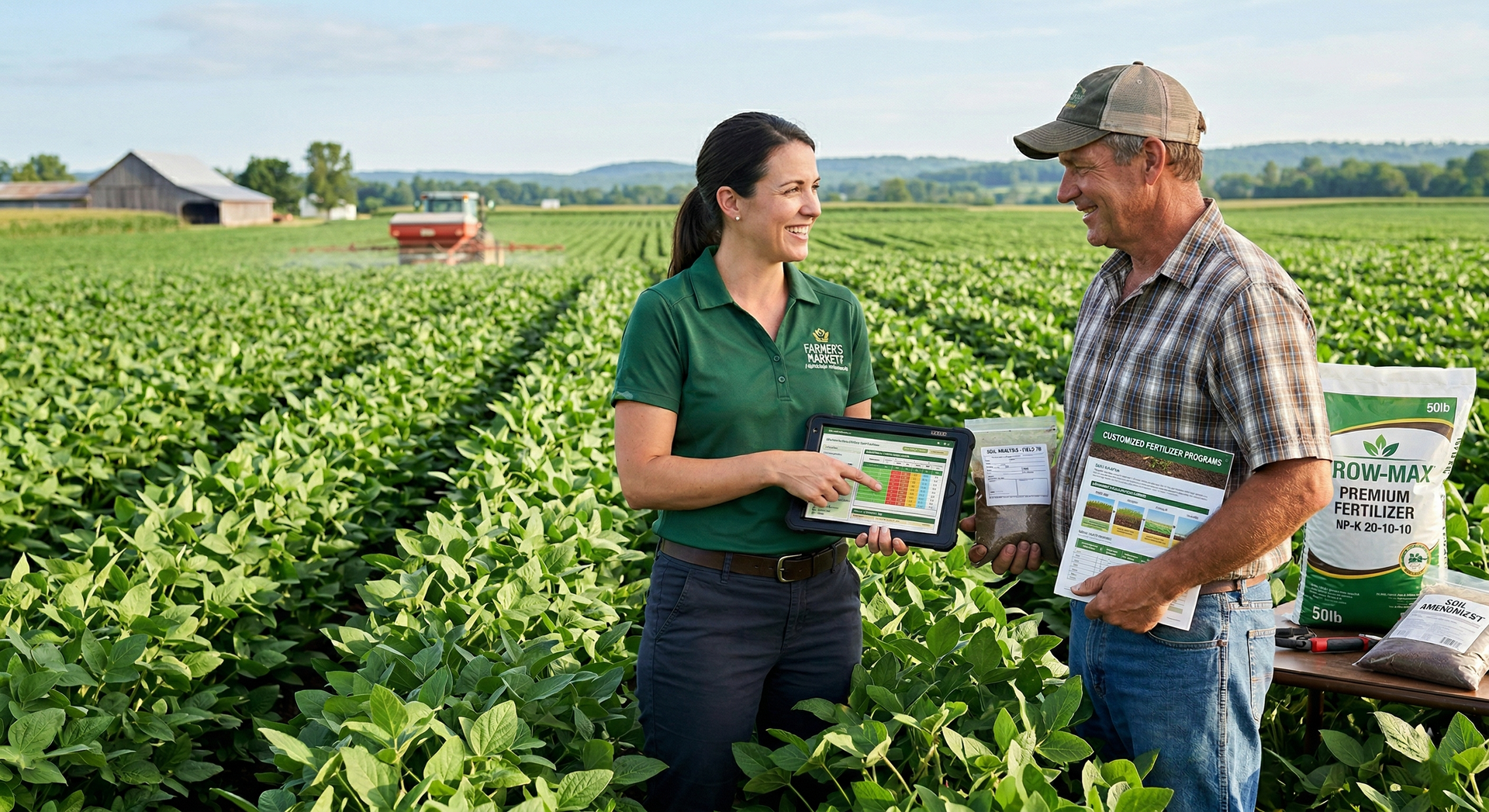
Learn the best fertilizer program for hay fields in Southwest Louisiana. Boost yield, improve soil health, and get expert tips from Highland Growers today!!

Learn safe, effective fertilizer storage practices for Louisiana farms. Highland Growers in DeRidder shares expert tips to protect your products, soil, and water.
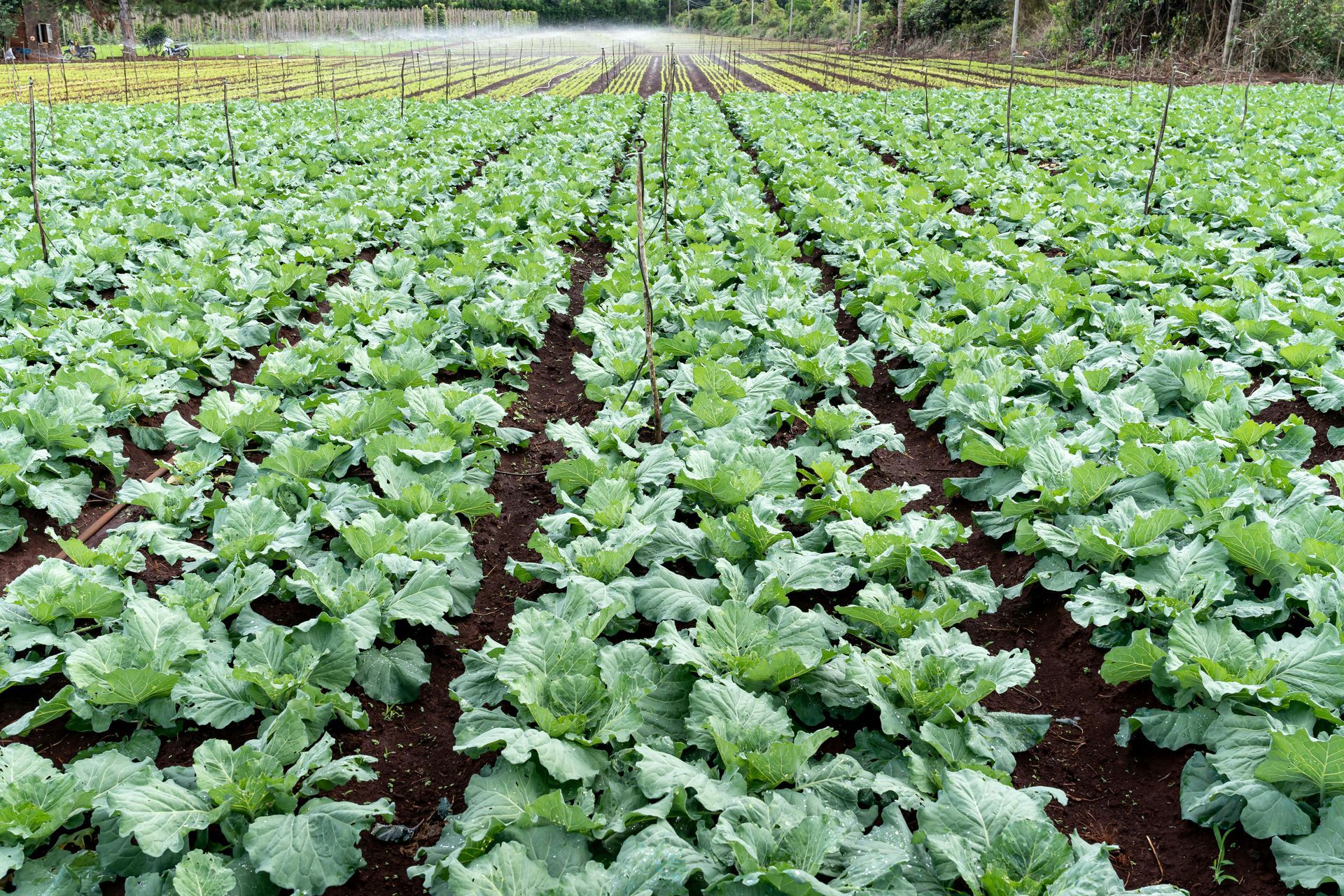
Learn how custom nutrient recommendations improve crop yields, reduce waste, and maximize soil health. Get expert advice from Highland Growers in DeRidder, LA.
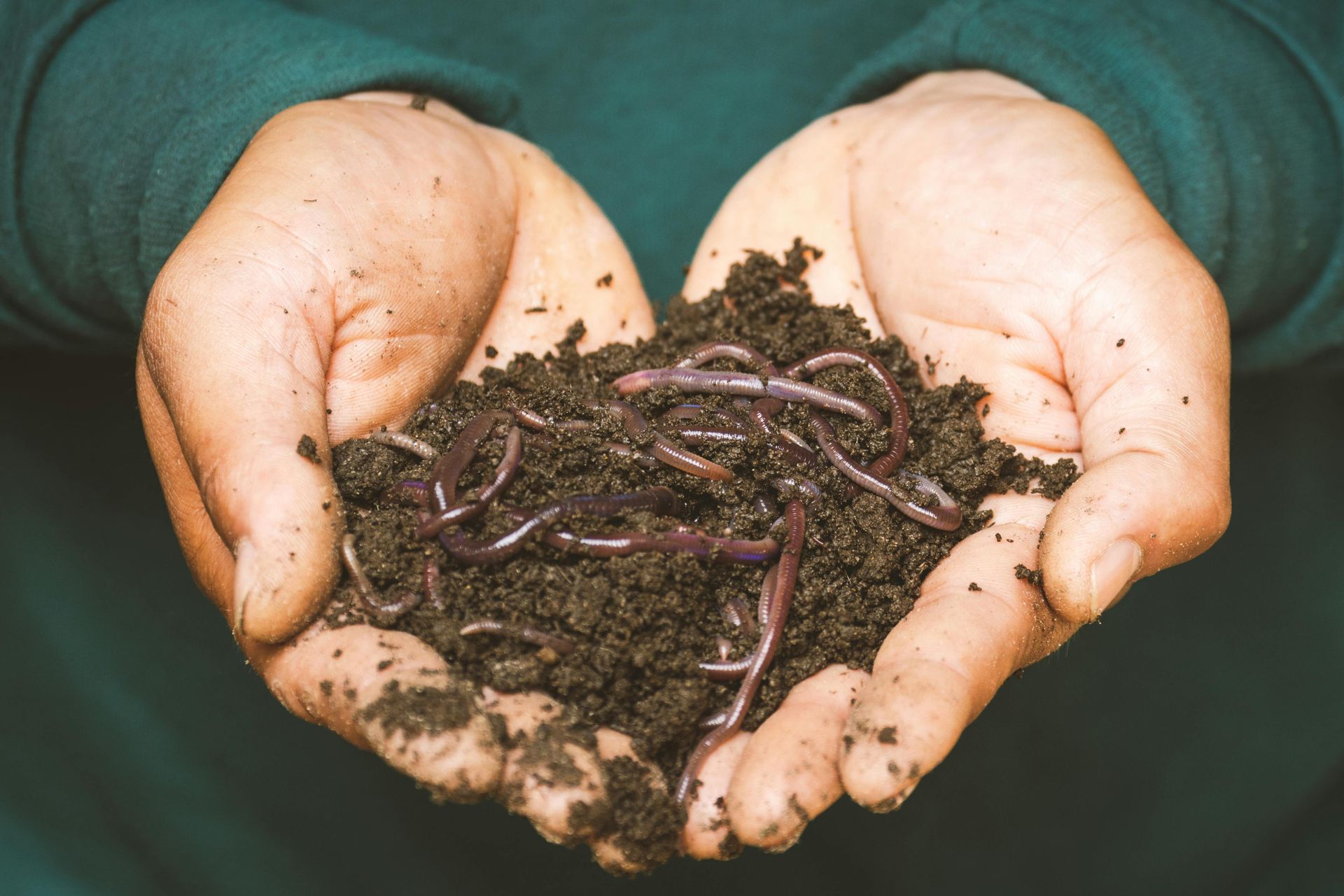
New to farming? Learn how to choose the right fertilizer with this simple guide from Highland Growers in DeRidder, LA. Local tips and custom solutions.
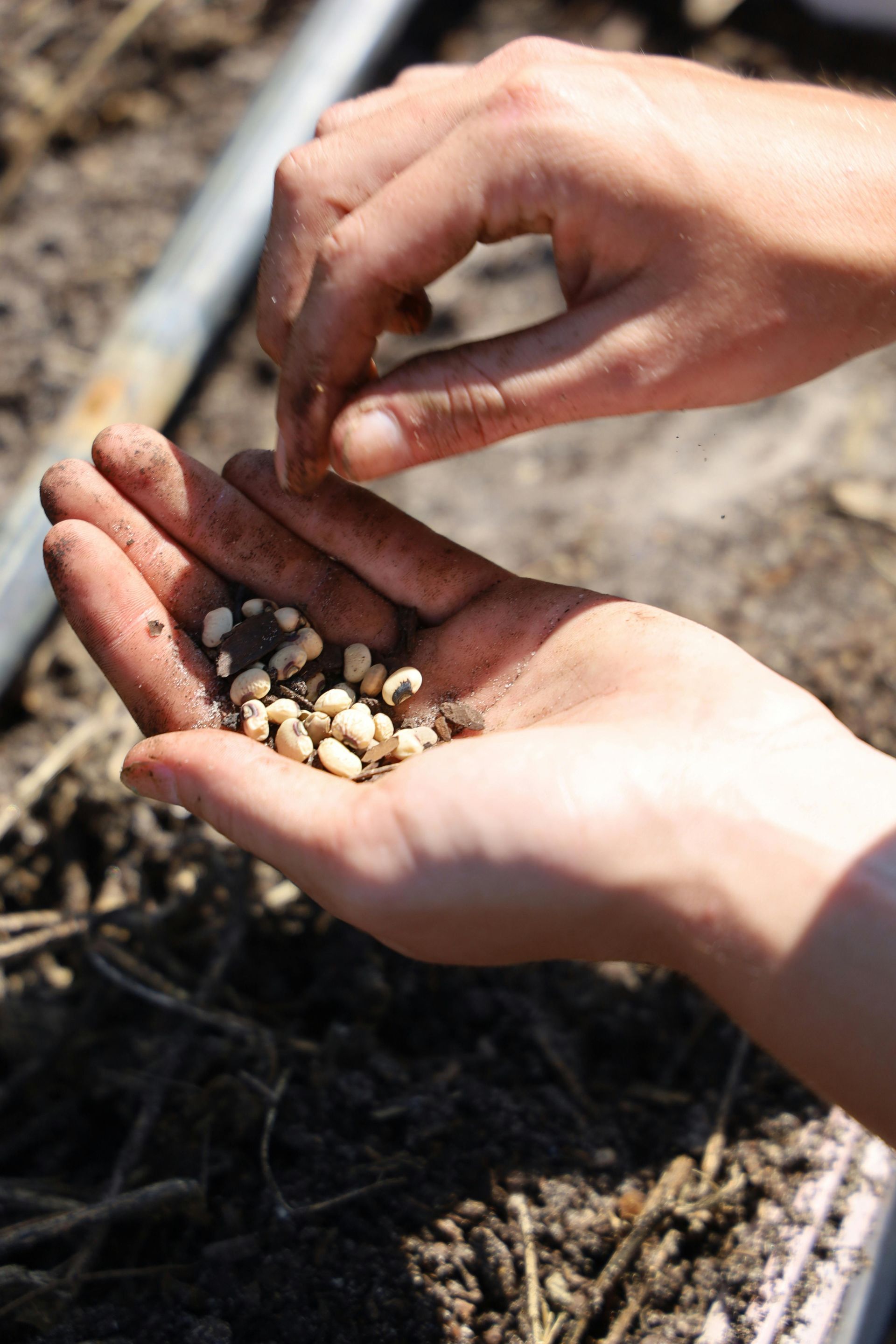
Not all seed mixes are created equal. Learn how Louisiana farmers can select the right seed blend for their land and goals. Highland Growers in DeRidder can help.
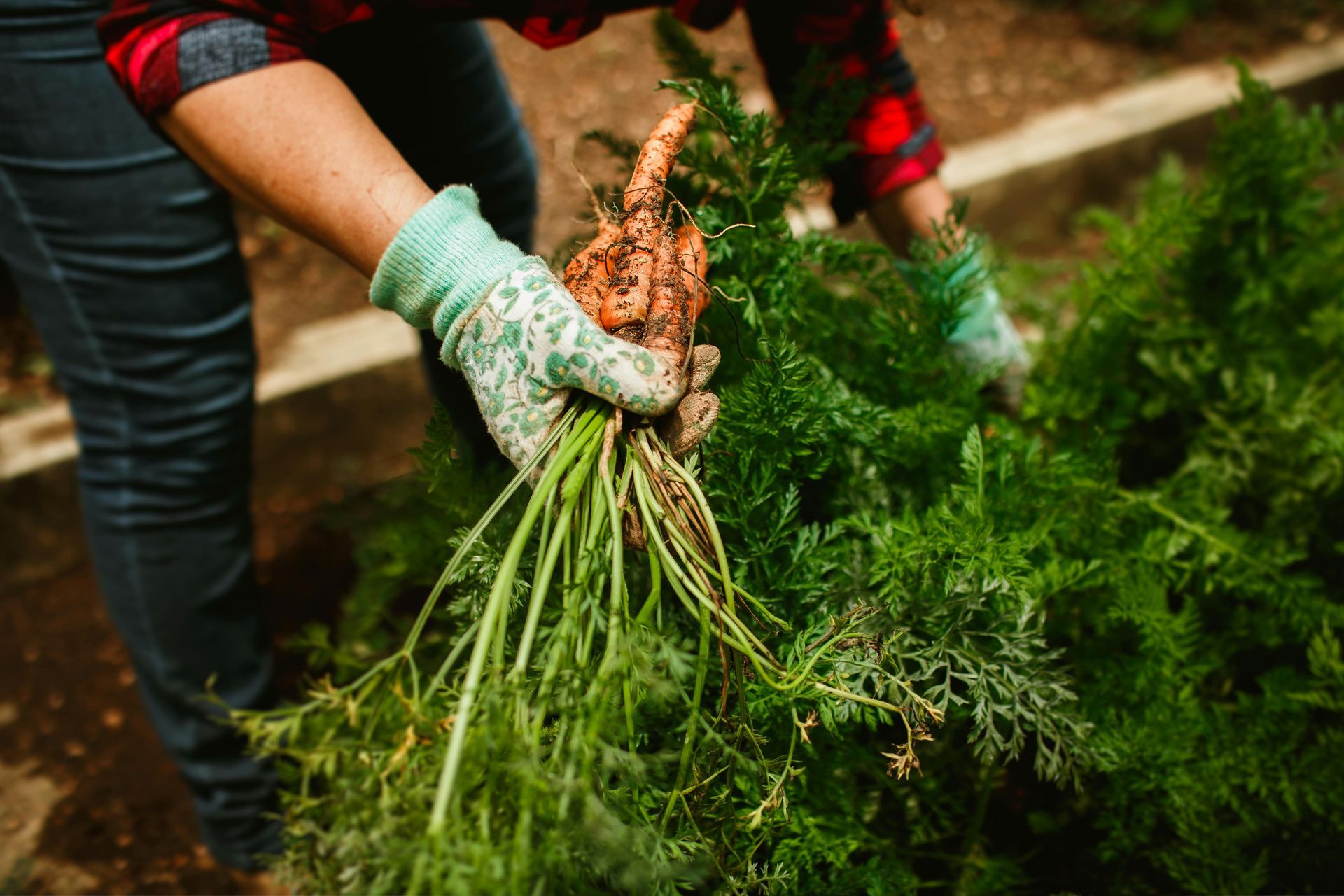
Planting a wildlife food plot this fall? Get expert tips on seed, soil, and fertilizer prep from Highland Growers in DeRidder, LA. Boost game activity and nutrition.
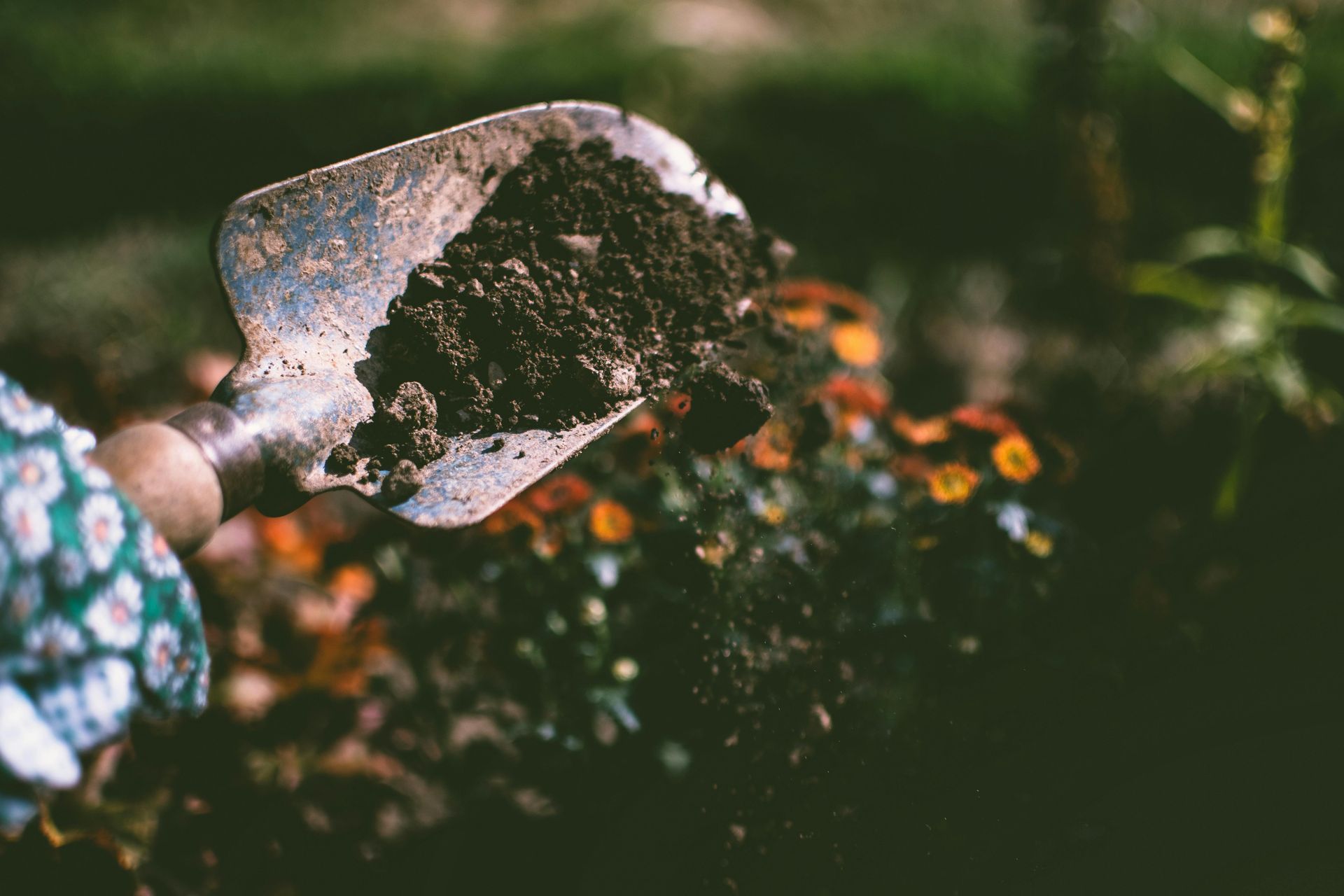
Understand NPK fertilizer and how it affects your yields. Highland Growers in DeRidder, LA explains nitrogen, phosphorus, and potassium for Louisiana soil.

Not seeing results from your fertilizer plan? Here are 7 signs your field needs a new strategy. Trusted advice from Highland Growers in DeRidder, LA.
Learn which farm chemicals are allowed in Louisiana. Highland Growers in DeRidder offers safe, legal, and effective solutions for farmers and landowners.
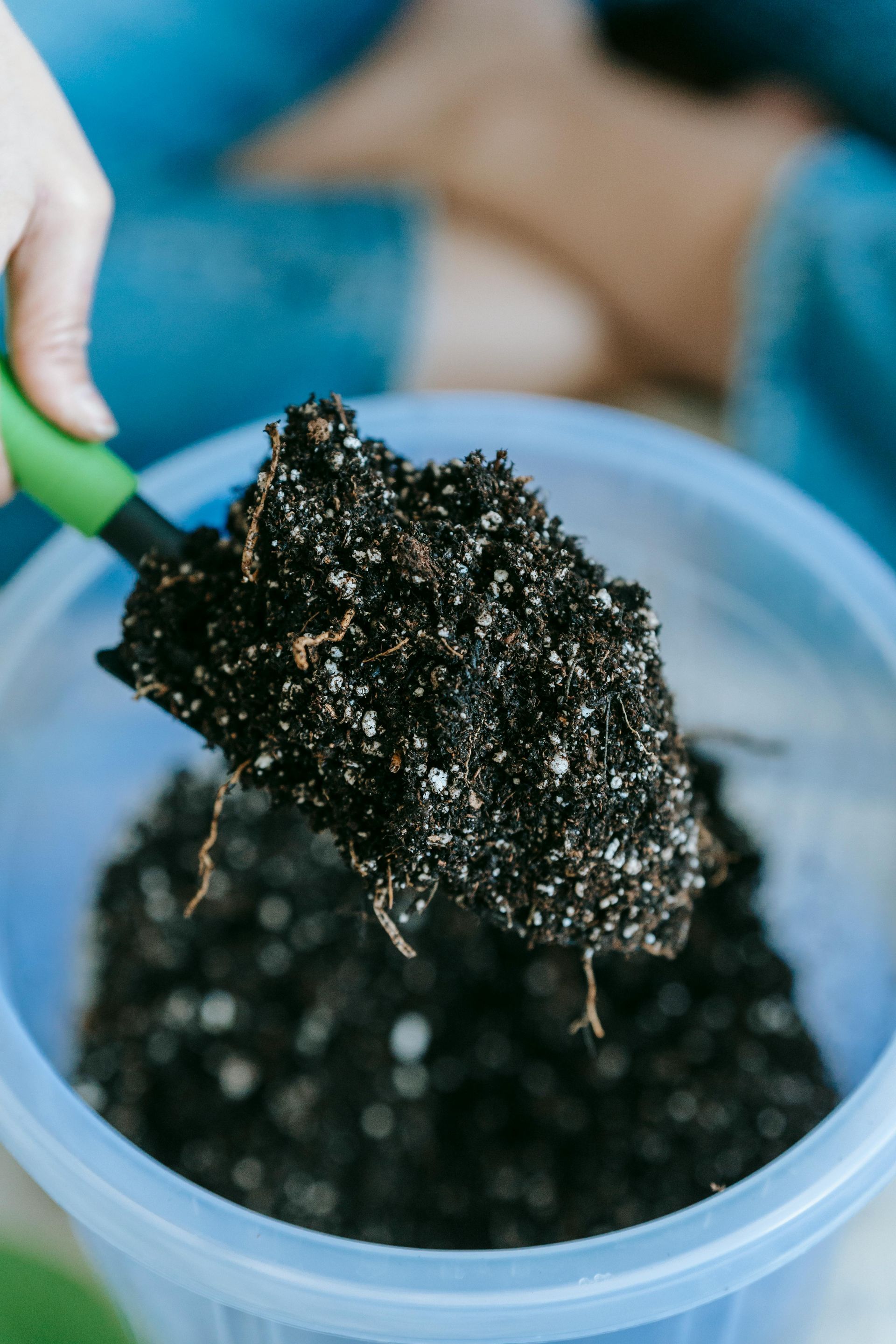
Improve yields and reduce waste with custom blend fertilizer from Highland Growers in DeRidder, LA. Precision nutrient solutions tailored to your farm.

Improve crop yields in Beauregard Parish with professional soil testing. Highland Growers in DeRidder, LA offers soil tests and nutrient recommendations. Call now.
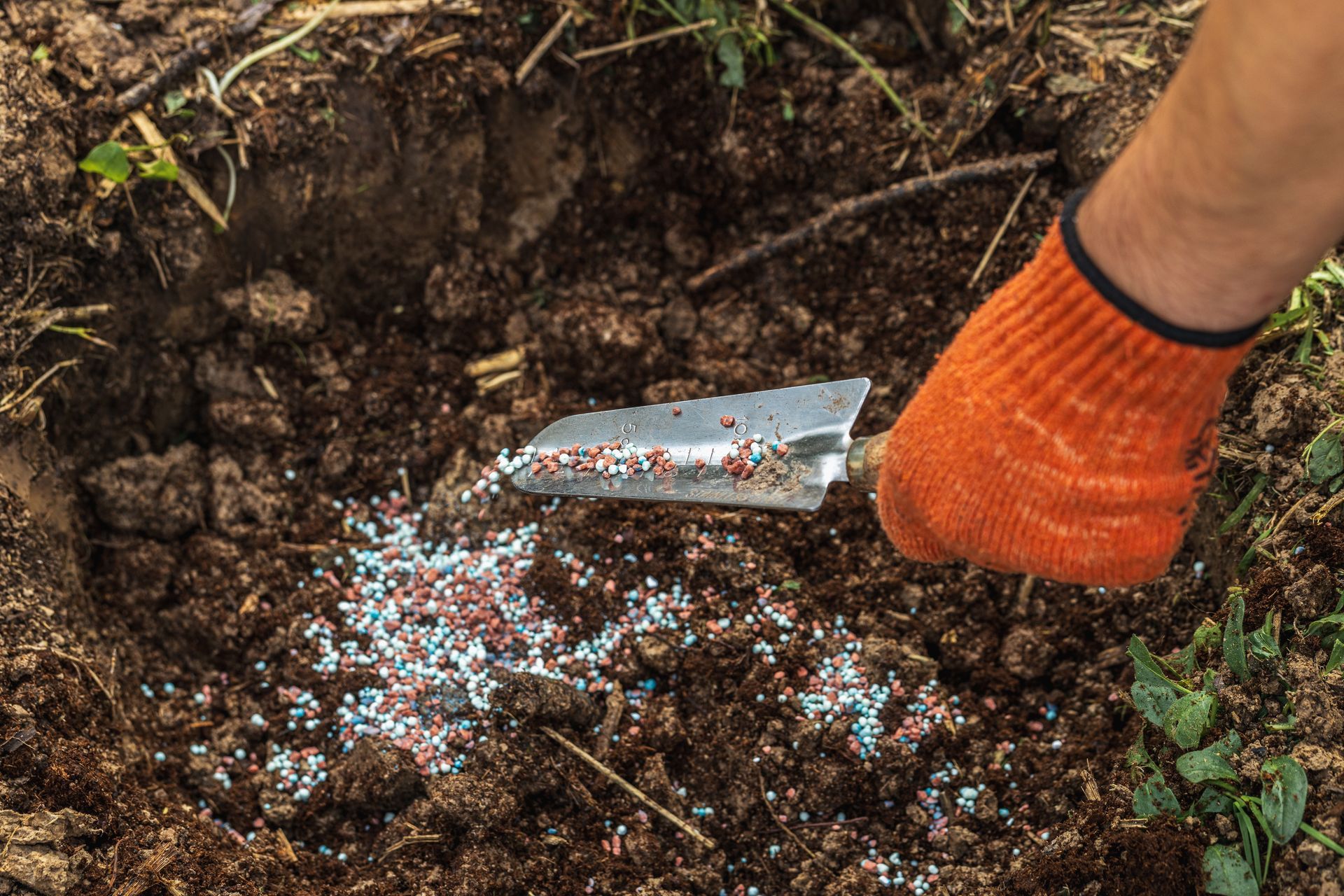
Want to attract more deer and game in Louisiana? Learn how to start a wildlife food plot with soil testing, seed selection, and timing tips from Highland Growers.
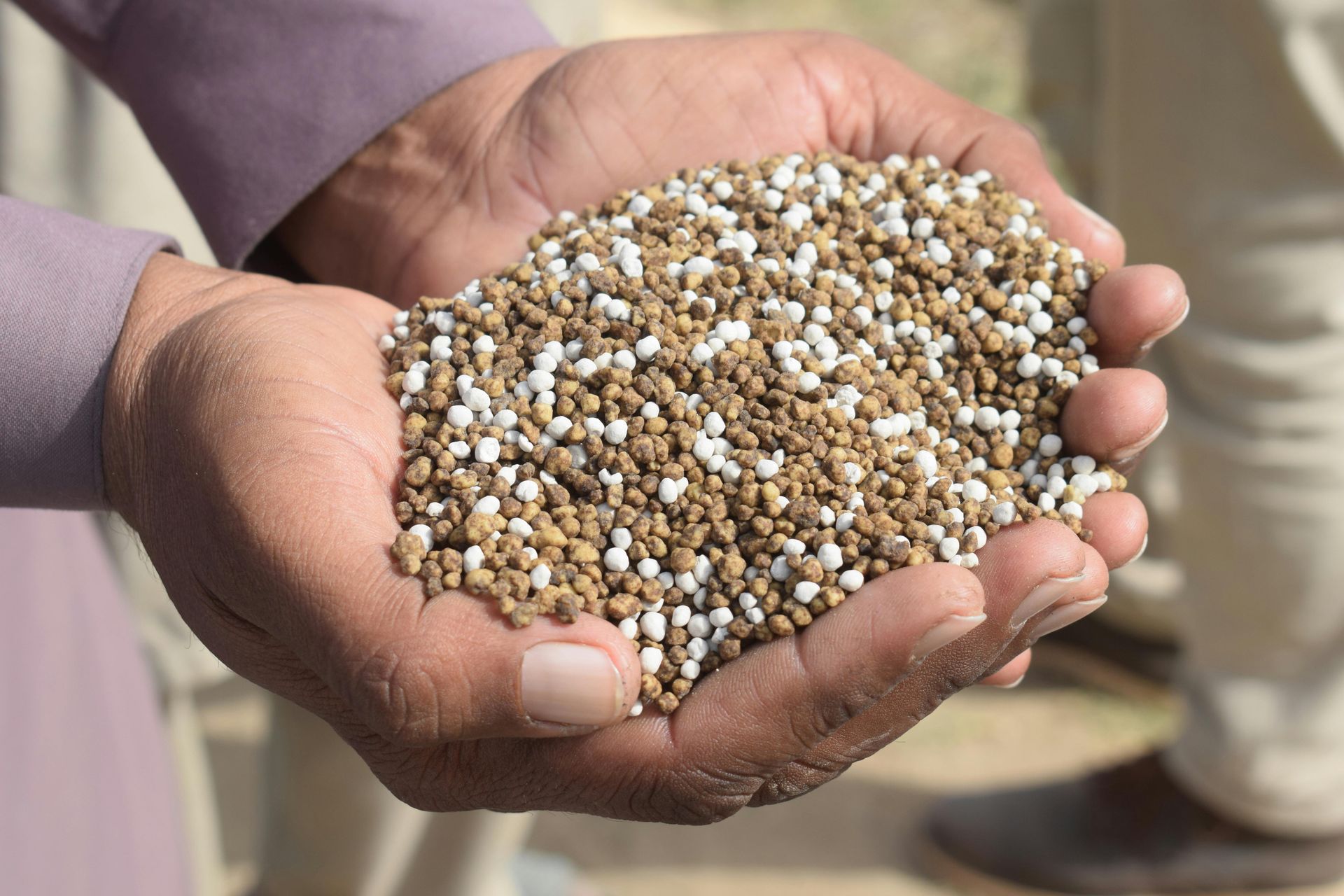
Find the best fertilizers for Louisiana soil. Get expert advice and custom blend recommendations from Highland Growers in DeRidder. Call today to learn more!